
Industry News
 14 2025-11
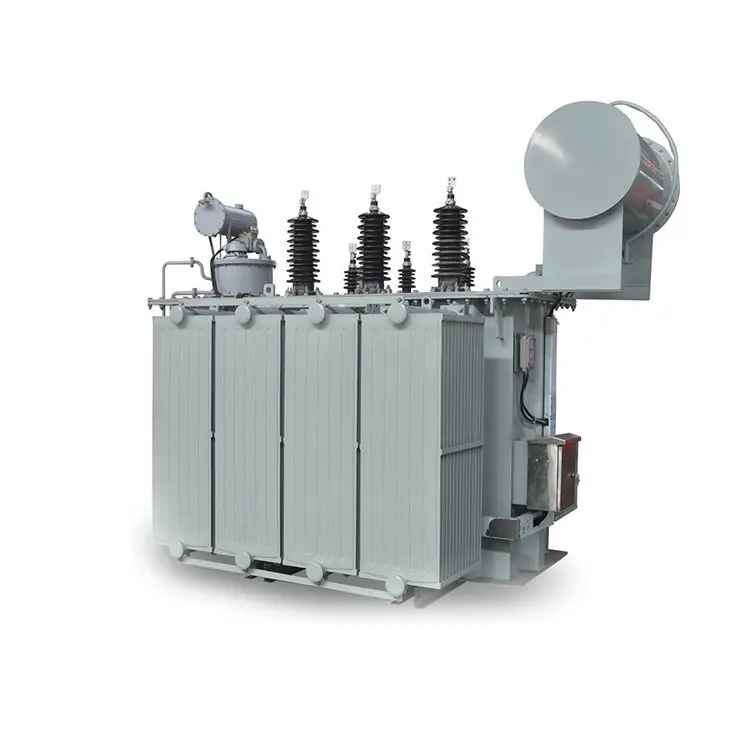
 How Did I Cut Risk And Cost With An Oil Immersed Transformer Upgrade?
I always choose equipment that lets me sleep through a storm. After a year of chasing quieter yards and cooler winding paper, I kept landing on the same answer—the right liquid-filled design. The units I now spec from SYHF turn spikes into a shrug. An Oil Immersed Transformer runs with lower noise near the fence, sheds heat faster under EV peaks, and keeps strong dielectric headroom when weather and dust try their worst. Lower losses show up on my power bill and longer life shows up in fewer 2 a.m. calls. That is the advantage I want, and that is what this guide explores.
 06 2025-11
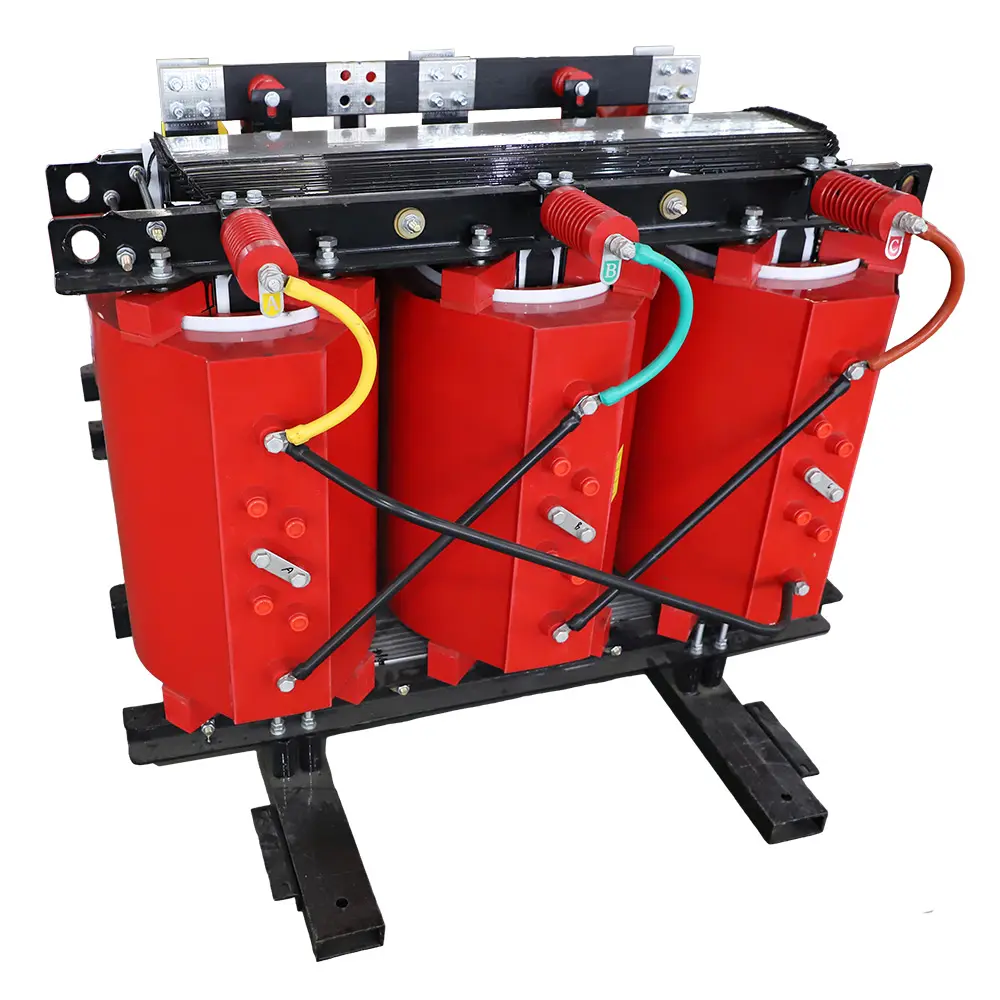
 Which Transformer Derivatives Solve Harmonics At EV Fast Charging Sites?
When I design an EV hub, I don’t start by picking kVA from a table. I look at the waveform first. Fast chargers stack rectifiers, DC links, and control loops that stress any Transformer with current spikes, high THD, and frequent power swings.
 30 2025-10
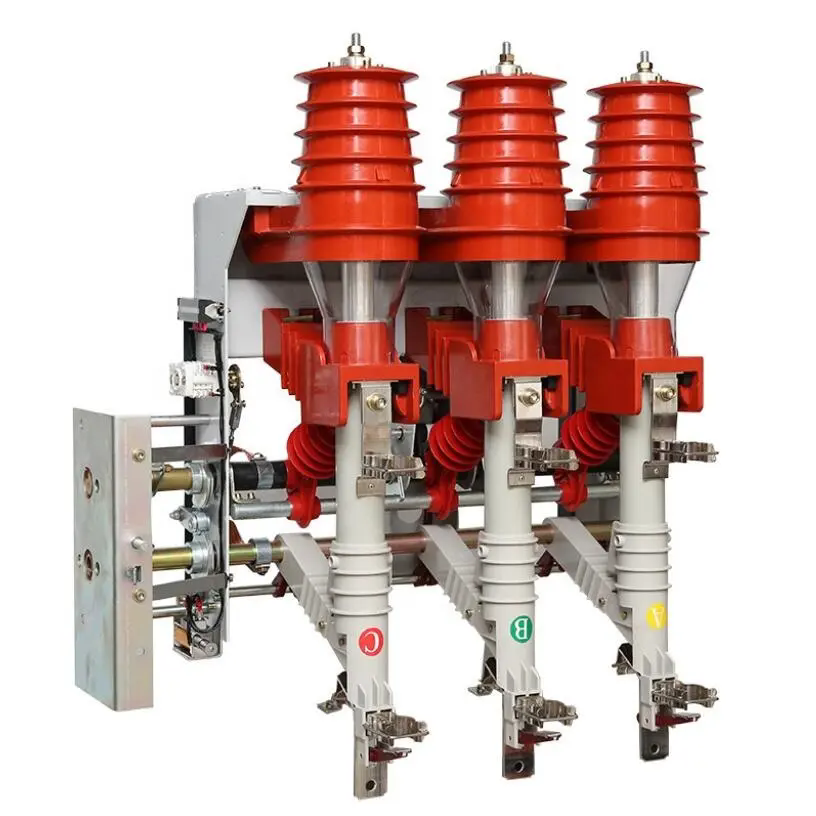
 How Does a Circuit Breaker Protect Your Power System?
In modern power systems, a circuit breaker is a fundamental protective component. As defined in electrical engineering, a circuit breaker is an automatic switching device that interrupts current flow when abnormal conditions—such as overloads or short-circuits—occur, thus protecting equipment and preventing fire hazards.
 23 2025-10
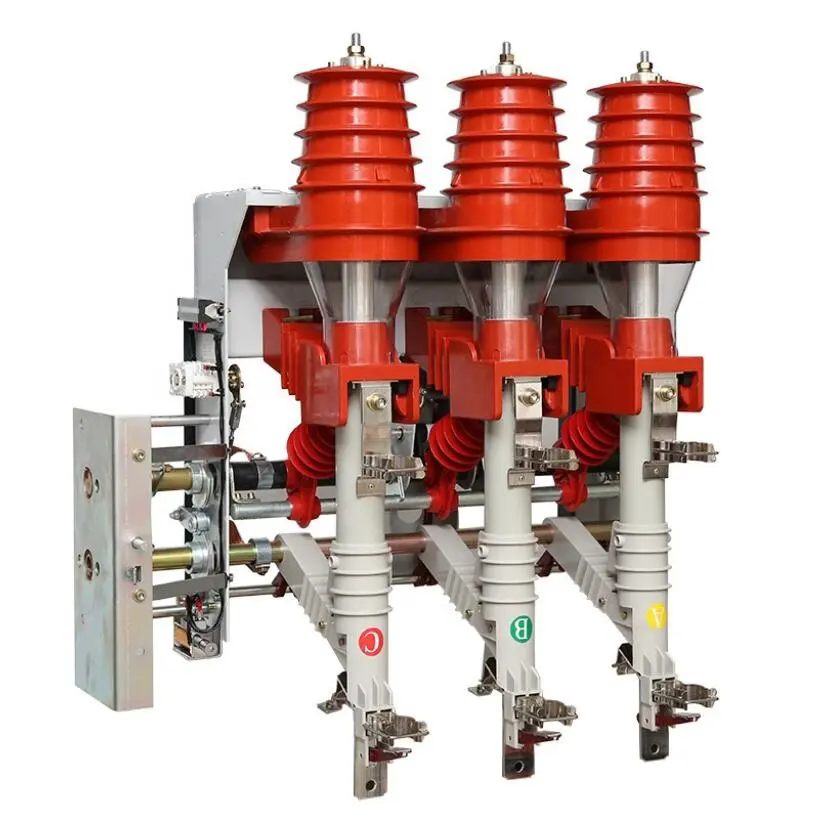
 Are You Using the Right Circuit Breaker for Your Application?
A circuit breaker is an electromechanical (or electronic) switching device that interrupts the flow of electric current when a fault (such as overcurrent, overload or short circuit) is detected.
Internally, many breakers combine a bimetallic strip (for thermal overload protection) and an electromagnet (for instantaneous short-circuit interruption).
When the breaker’s trip mechanism activates, the contacts separate, the arc that forms is extinguished by the arc‐quenching medium or mechanism, and current flow is stopped.
 11 2025-10
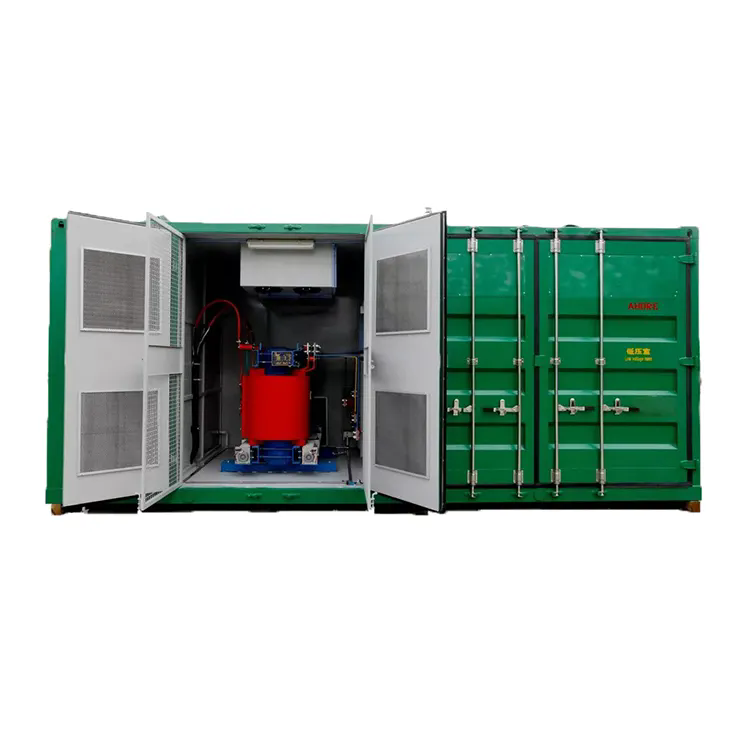
 Why Is the Compact Substation Revolutionizing Modern Power Distribution?
In today’s fast-paced industrial and urban environments, the demand for efficient, space-saving, and reliable electrical distribution systems has never been greater. One of the key innovations that has reshaped how electricity is managed and delivered is the Compact Substation (CSS). Known for its integrated design and operational efficiency, the compact substation offers a complete power distribution solution in a single, self-contained unit.
 28 2025-09
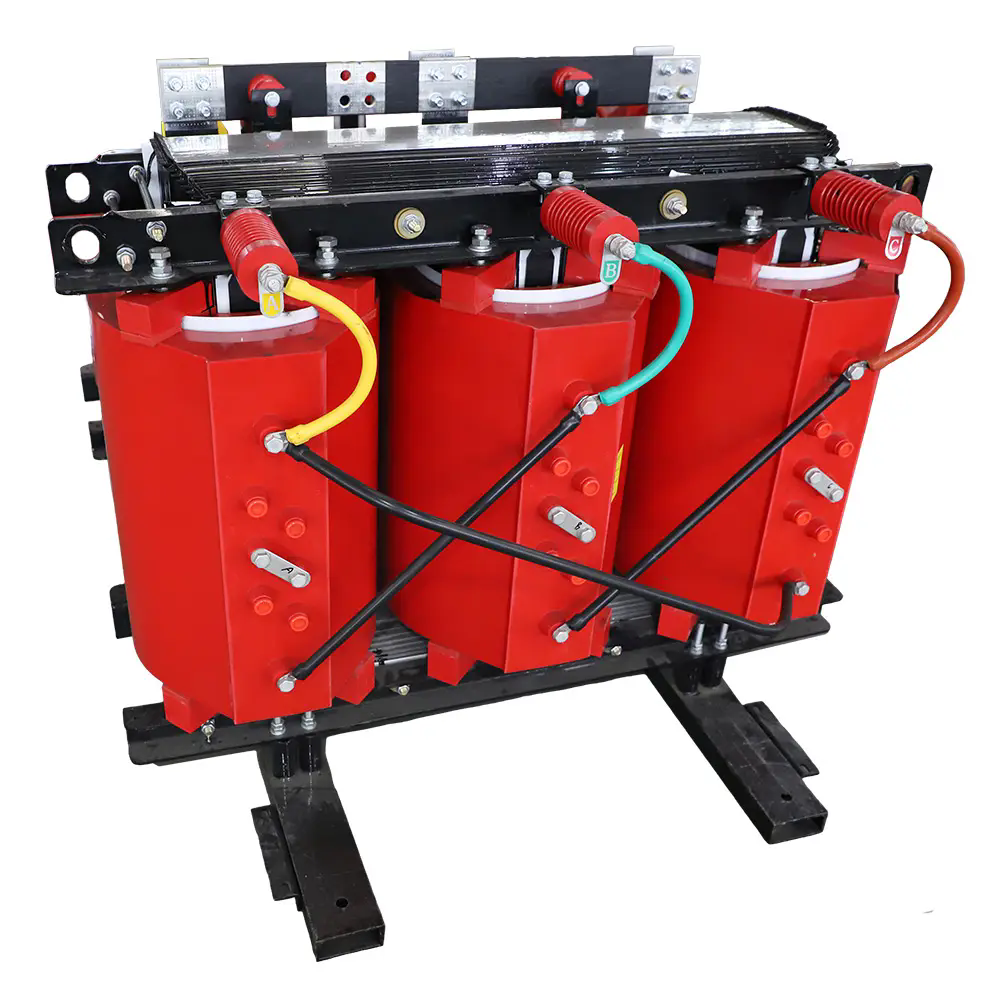
 What Makes Dry Type Transformers the Choice for Modern Power Systems?
In today’s rapidly developing power distribution landscape, safety, efficiency, and environmental sustainability are key concerns. Traditional oil-immersed transformers, while effective, raise safety and maintenance challenges due to flammable insulation oils and higher cooling requirements. This is where the dry type transformer has emerged as an innovative solution.