Can Your Electrical Mini Substation Be Installed in Underground Parking?
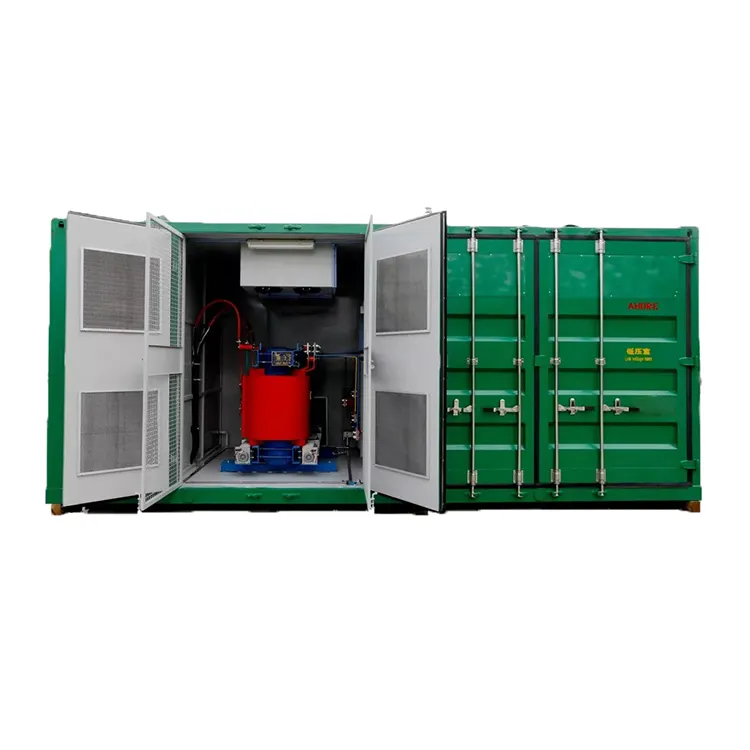
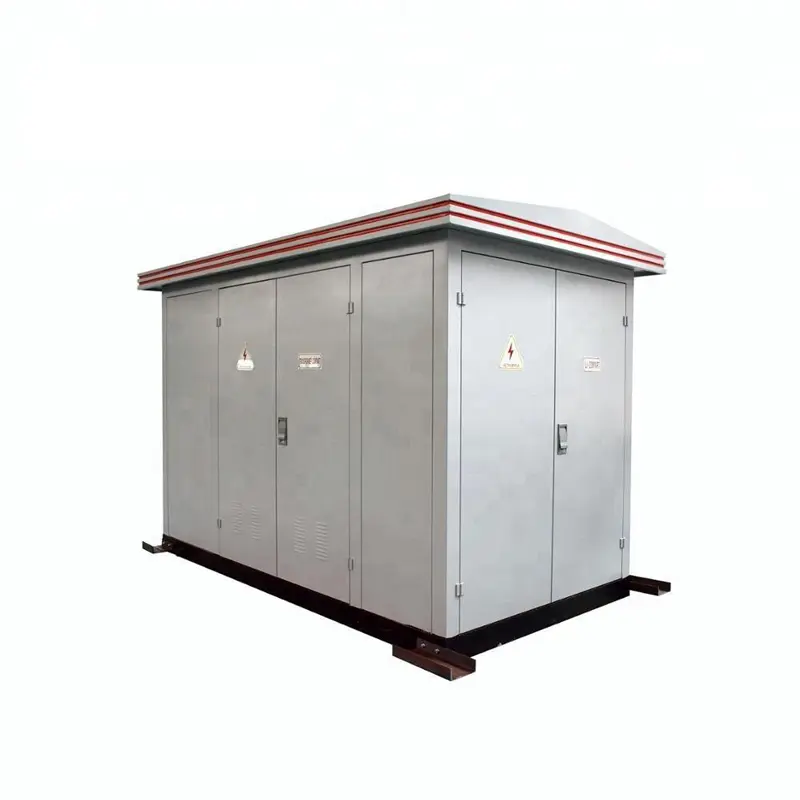
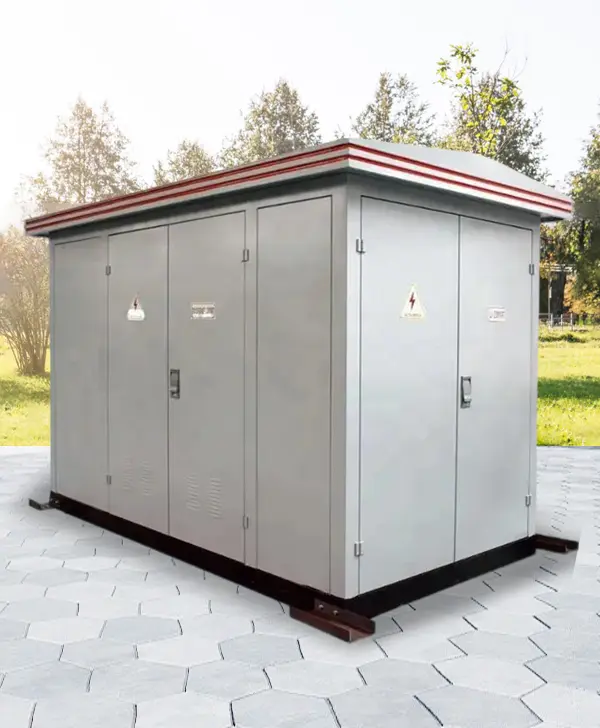
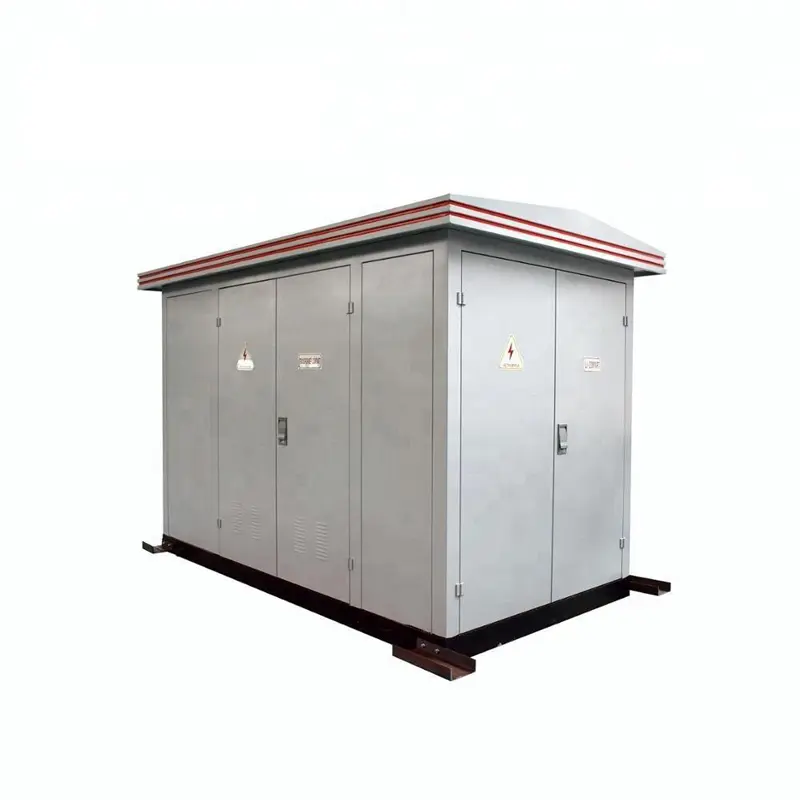
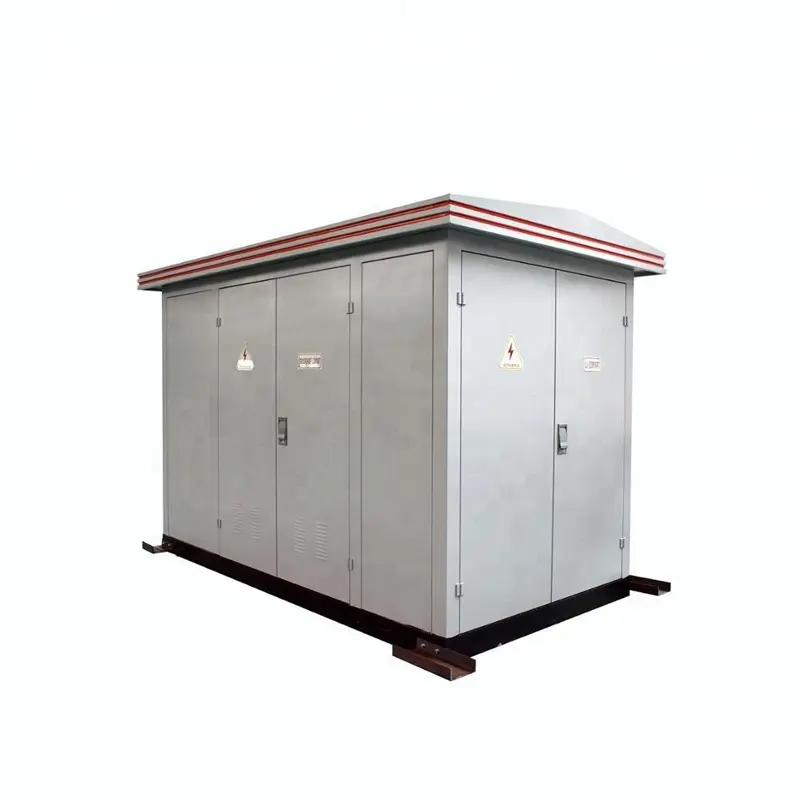
SYHF Electrical Mini Substation suits space-constrained urban areas. With cities expanding vertically, land for power infrastructure is scarce, and underground areas work perfectly for this compact unit.High-rises, malls, hospitals and other facilities need steady power, while traditional substations lack room. Many question if the SYHF Mini Substation runs safely underground. The answer is yes: well-designed models operate reliably and efficiently in such enclosed spaces.
Why Underground Parking Spaces Are Becoming Popular for Power Equipment
In many cities, every square meter of above-ground space has significant value. Architects and property developers continuously look for ways to maximize usable areas for offices, retail stores, apartments, and public facilities.
As a result, technical rooms and utility equipment are increasingly being relocated underground.
Underground parking structures offer several advantages:
- Efficient use of valuable land
- Better protection from extreme weather
- Reduced visual impact on building aesthetics
- Easier integration into modern building designs
- Improved security and controlled access
For these reasons, underground parking levels are now frequently considered for transformers, switchgear rooms, backup generators, and integrated power distribution systems.
Main Components Inside a Mini Substation
| Component | Function |
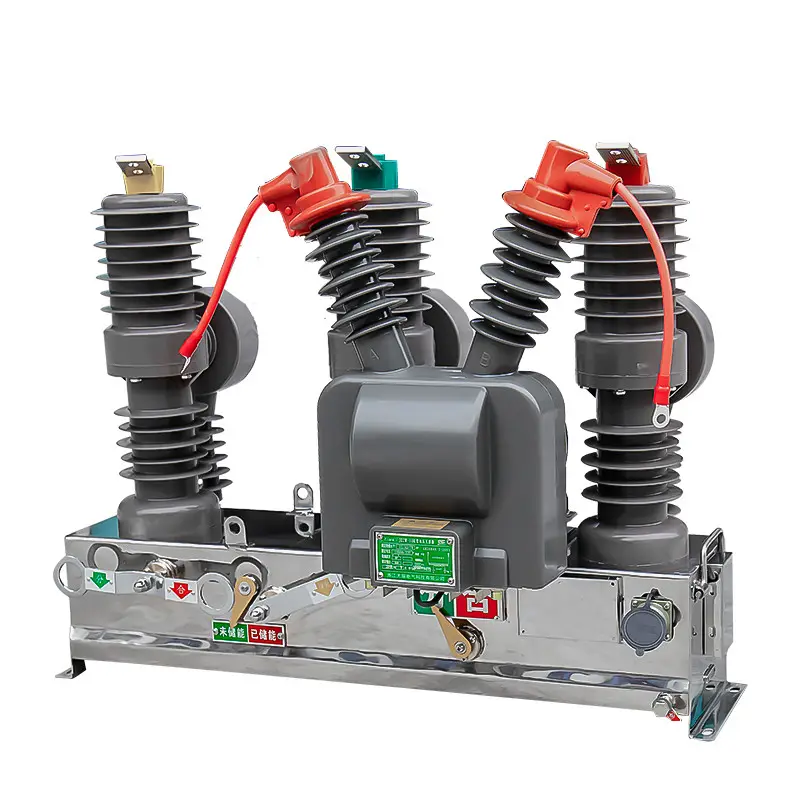
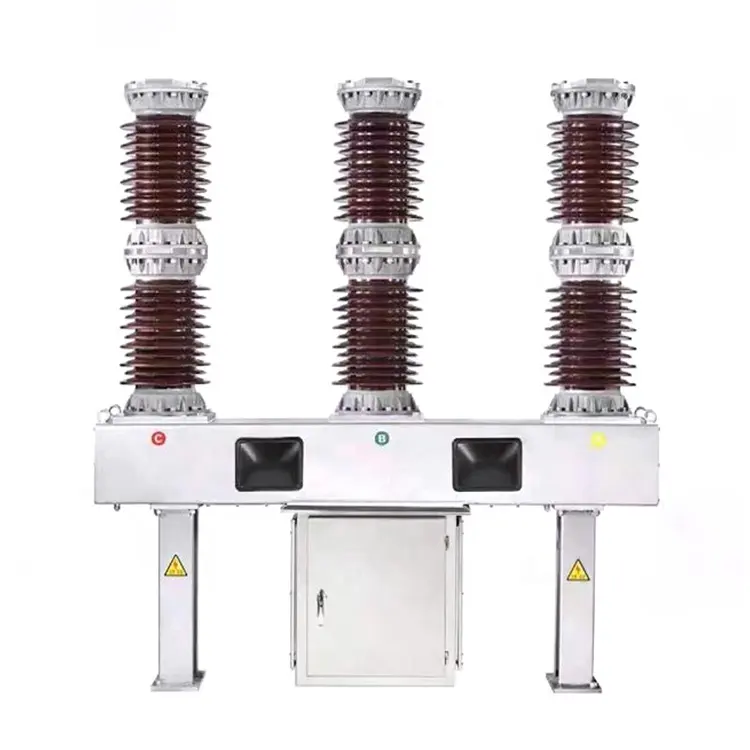
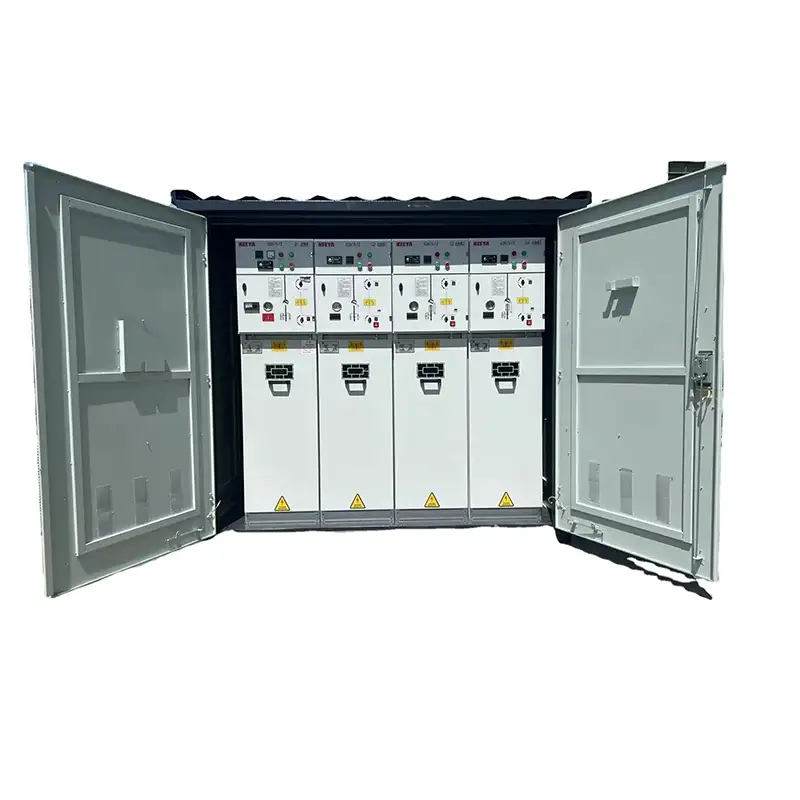
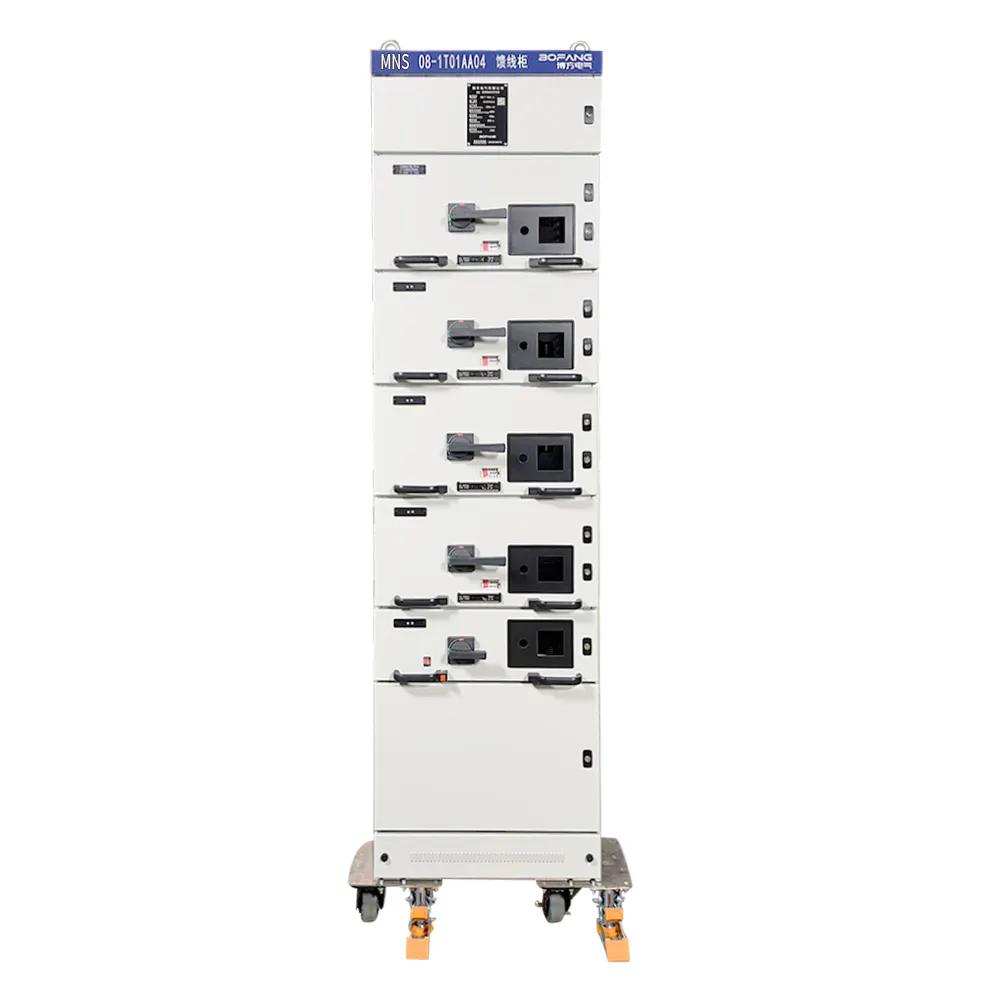
| Medium Voltage Switchgear | Controls incoming power supply |
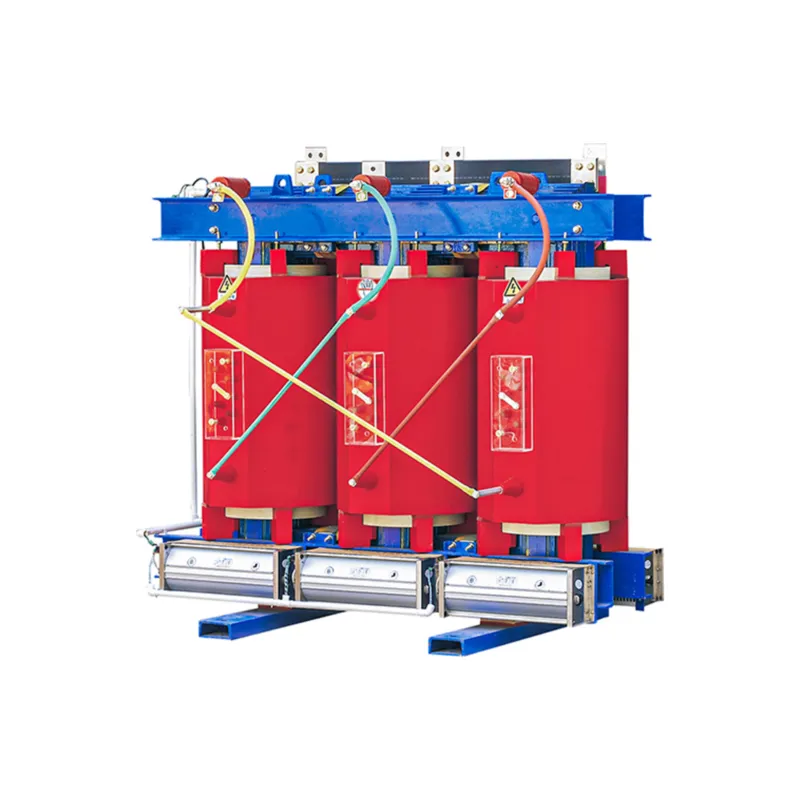
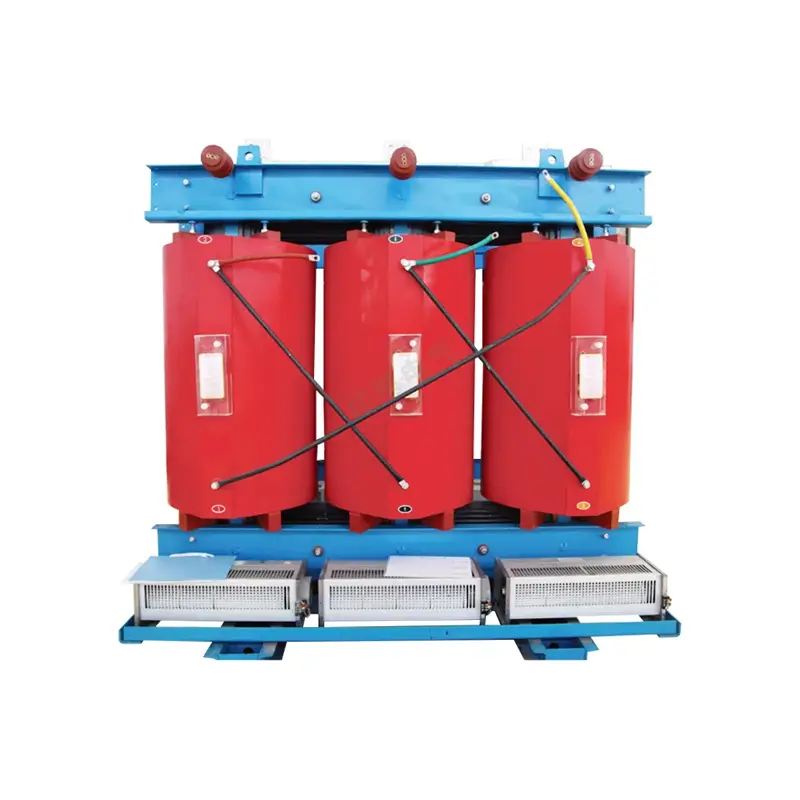
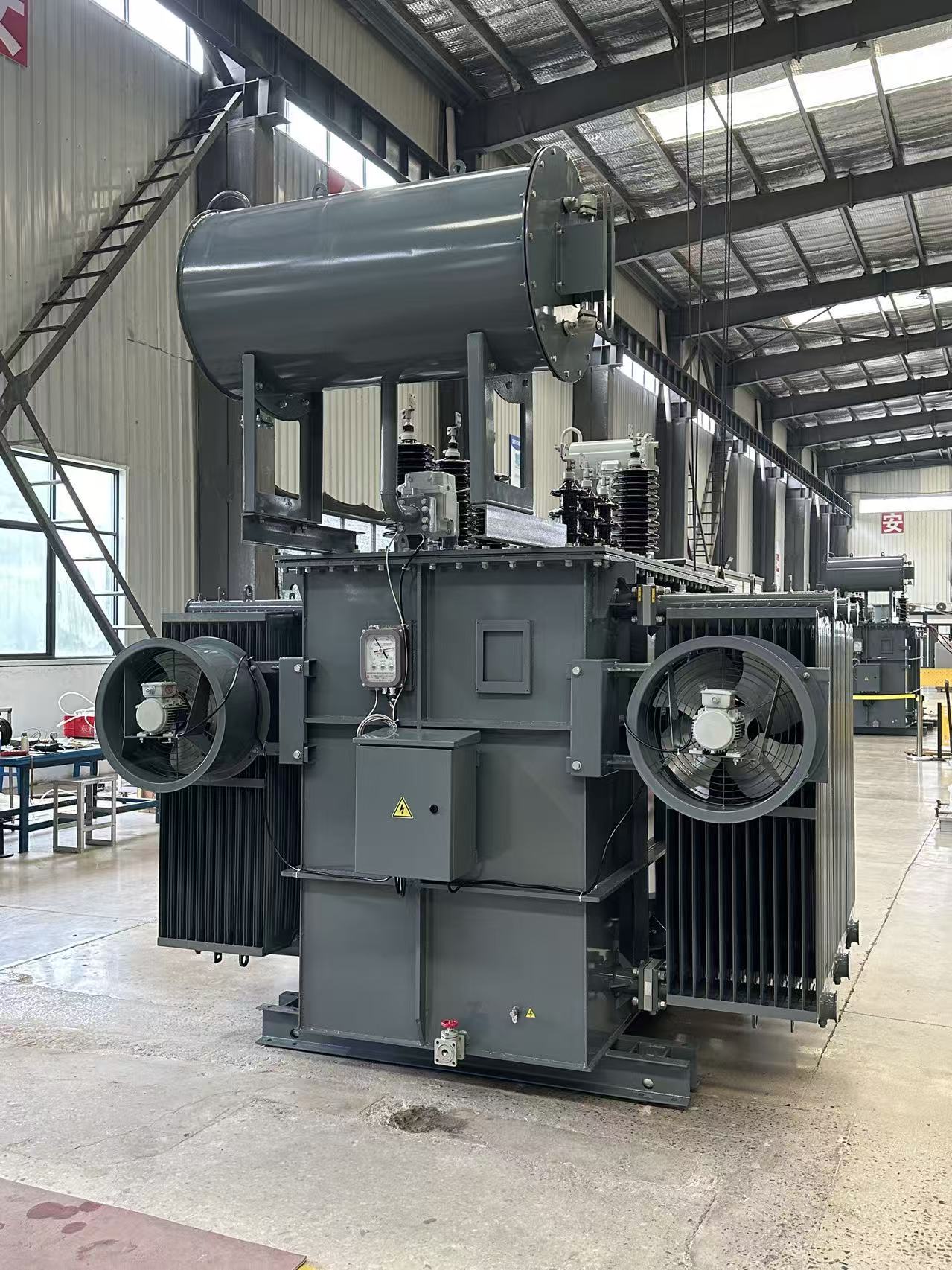
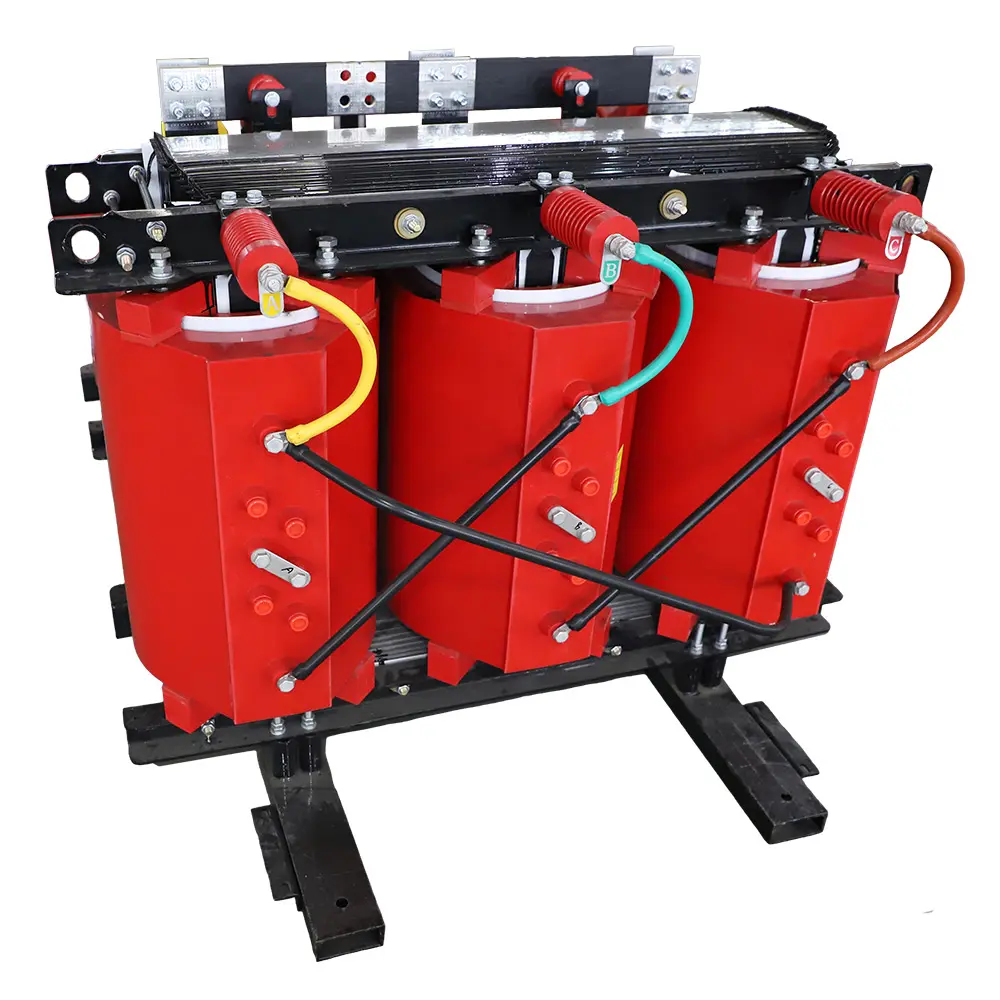
| Transformer | Converts voltage levels for building use |
| Low Voltage Cabinet | Distributes electricity to end circuits |
| Protection Devices | Detect and isolate faults |
| Monitoring Systems | Track operating conditions |
| Busbar System | Connects electrical components efficiently |
Because all components are integrated into one unit, the system occupies significantly less space than traditional substations.
The Biggest Concerns About Underground Installation
Although underground parking areas can be excellent locations for power equipment, they also present unique challenges.
Several questions commonly arise during project planning:
Will Heat Build Up Underground?
Electrical equipment naturally generates heat during operation.
Transformers, switchgear, and associated components produce thermal energy that must be managed effectively.
Fortunately, modern mini substations are designed with heat dissipation in mind. Depending on project requirements, solutions may include:
- Natural ventilation systems
- Forced-air ventilation
- Dedicated exhaust systems
- Air-conditioned electrical rooms
- Temperature monitoring sensors
When proper airflow is maintained, underground installation does not necessarily create operational problems.
What About Fire Safety?
Safety remains one of the most important considerations for any electrical installation.
Modern Electrical Mini Substation typically incorporates multiple protection layers, including:
- Vacuum circuit breakers
- Fuse protection
- Overcurrent protection
- Short-circuit protection
- Ground fault protection
- Intelligent monitoring systems
In underground parking facilities, these protections can be supplemented with:
- Fire-rated rooms
- Smoke detection systems
- Fire suppression systems
- Emergency access routes
When designed according to local regulations, underground installations can achieve high safety standards.
Is Maintenance More Difficult?
Many people assume underground equipment is harder to maintain.
In reality, maintenance accessibility depends more on layout planning than location.
A properly designed underground electrical room should provide:
- Adequate working clearance
- Safe access pathways
- Equipment lifting provisions
- Lighting systems
- Inspection space
Because a Mini Substation integrates equipment into a compact footprint, maintenance activities can often be simplified compared to dispersed electrical installations.
Space Savings: A Major Advantage
One of the strongest arguments for installing a mini substation underground is space efficiency.
Traditional substations may require separate areas for transformers, switchgear, and distribution equipment. This can consume a considerable amount of valuable building space.
A mini substation consolidates these functions into one engineered unit.
Comparison of Installation Approaches
| Feature | Conventional Substation | Mini Substation |
| Footprint | Larger | Smaller |
| Construction Time | Longer | Shorter |
| Equipment Integration | Multiple Systems | Single Unit |
| Site Requirements | Extensive | Compact |
| Urban Suitability | Moderate | High |
| Underground Adaptability | Limited | Excellent |
For projects where every square meter matters, this compact design becomes a significant advantage.
Urban Projects That Commonly Use Mini Substations
The flexibility of mini substations makes them suitable for a wide variety of developments.
Commercial Buildings
Office towers often require reliable electrical distribution without sacrificing rentable space.
Installing a mini substation underground allows more above-ground areas to remain available for commercial use.
Shopping Centers
Retail facilities demand continuous power for lighting, air conditioning, elevators, and security systems.
Compact substations can help support these loads while remaining unobtrusive.
Residential Complexes
Large apartment communities often require dedicated distribution infrastructure.
Underground installation can improve aesthetics while maintaining power reliability.
Hospitals
Healthcare facilities depend on uninterrupted power supplies.
Electrical Mini Substations can be integrated into hospital infrastructure alongside backup generation systems.
Transportation Hubs
Airports, metro stations, and logistics centers frequently face space constraints while requiring significant electrical capacity.
Integrated substations can help meet these operational demands.
Weather Protection Benefits
Outdoor electrical equipment must contend with:
- Rain
- Snow
- Dust
- Extreme temperatures
- UV exposure
- Storm-related risks
Underground parking facilities naturally shield equipment from many environmental factors.
This protection can contribute to more stable operating conditions throughout the year.
How Capacity Selection Impacts Underground Projects
Choosing the right transformer rating is critical.
The required capacity depends on building demand, future expansion plans, and operational requirements.
Common configurations include:
| Capacity | Typical Applications |
| 315 kVA | Small commercial facilities |
| 500 kVA | Medium-sized developments |
| 630 kVA | Large residential or commercial projects |
| Higher Ratings | Specialized infrastructure projects |
Selecting the correct capacity helps optimize performance while avoiding unnecessary equipment oversizing.
With proper ventilation, safety planning, maintenance access, and regulatory compliance, an Electrical Mini Substation can serve as an effective power distribution solution beneath commercial buildings, residential developments, hospitals, and other urban facilities.
As modern cities continue to prioritize efficient land use and reliable electrical infrastructure, integrated substations are becoming an increasingly practical choice. Through compact design, safety-focused engineering, and flexible capacity options, the Mini Substation helps address many of the challenges associated with urban power distribution. SYHF (Jiangsu) Electric continues to contribute to this evolving landscape with solutions designed for modern electrical networks and space-conscious developments.
Related News
- How to Select and Apply Gas Load Break Switches for Medium Voltage Distribution Networks?
- How a Circuit Breaker Protect Your Power System?
- SYHF 6300 kVA Three Phase Oil Immersed Transformer Gains Widespread Acclaim in Azerbaijan, Featured on Local Television
- Why Choose a Dry Type Transformer?
- How can an Electrical Substation become the most reliable asset in my grid?
- How Did I Cut Risk And Cost With An Oil Immersed Transformer Upgrade?
Leave me a message