How to Select and Apply Gas Load Break Switches for Medium Voltage Distribution Networks?
In medium voltage distribution networks, reliable switching equipment is essential for safe and efficient power management. The Gas Load Break Switch (LBS) plays a critical role in connecting and disconnecting load currents, isolating faulty sections, and ensuring uninterrupted power supply to end users. However, selecting the right LBS for your specific application requires a clear understanding of technical parameters, environmental conditions, and operational requirements.
This technical guide uses the SYHF Gas Load Break Switch as a reference model to walk through the key indicators and selection criteria that distribution engineers and procurement professionals should consider when specifying load break switches for urban and rural networks.
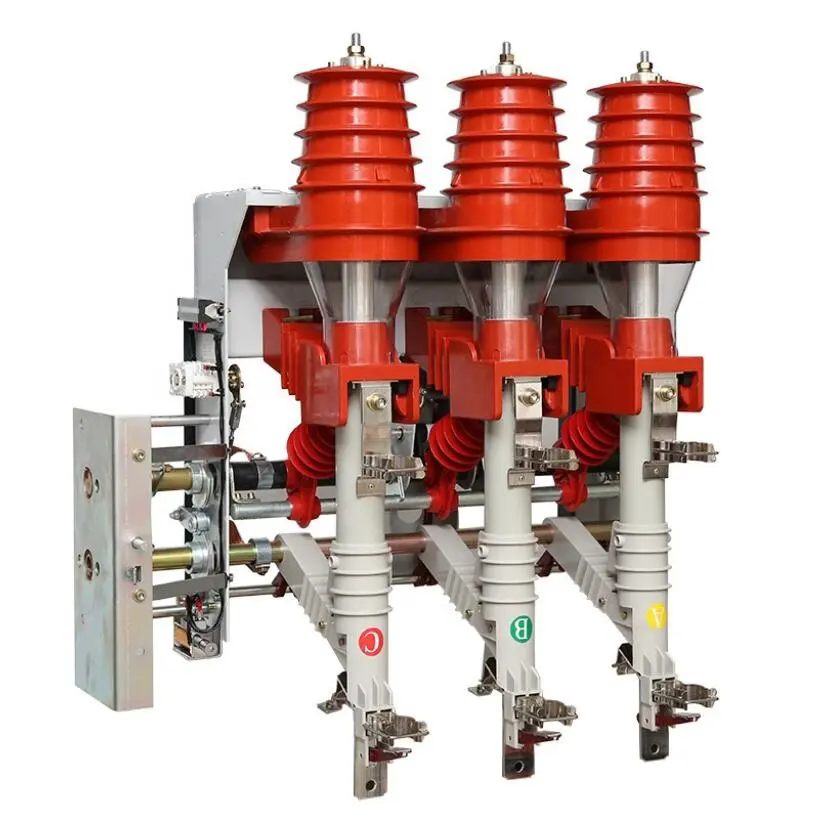
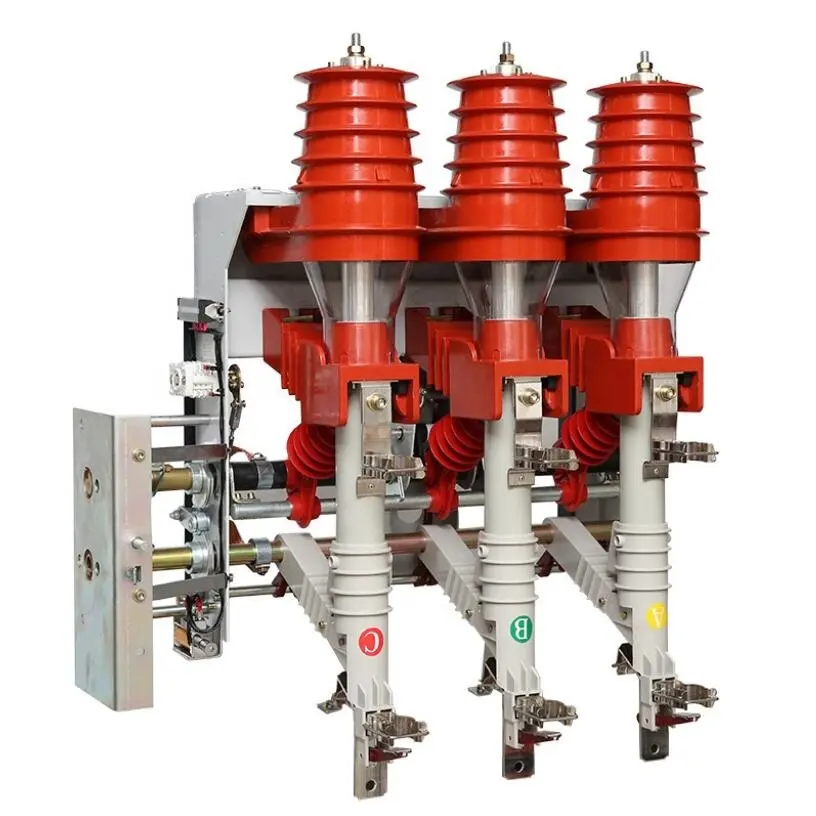
Designed specifically for modern remote-controlled distribution automation systems, the SYHF Gas Load Break Switch utilizes SF6 gas as both insulation and arc-extinguishing medium. Its grounded metal enclosure ensures operator safety, while the spring-charged operating mechanism delivers fast closing and switching operations in under 1000 milliseconds.
Understanding the Three-Position Design and Its Operational Logic
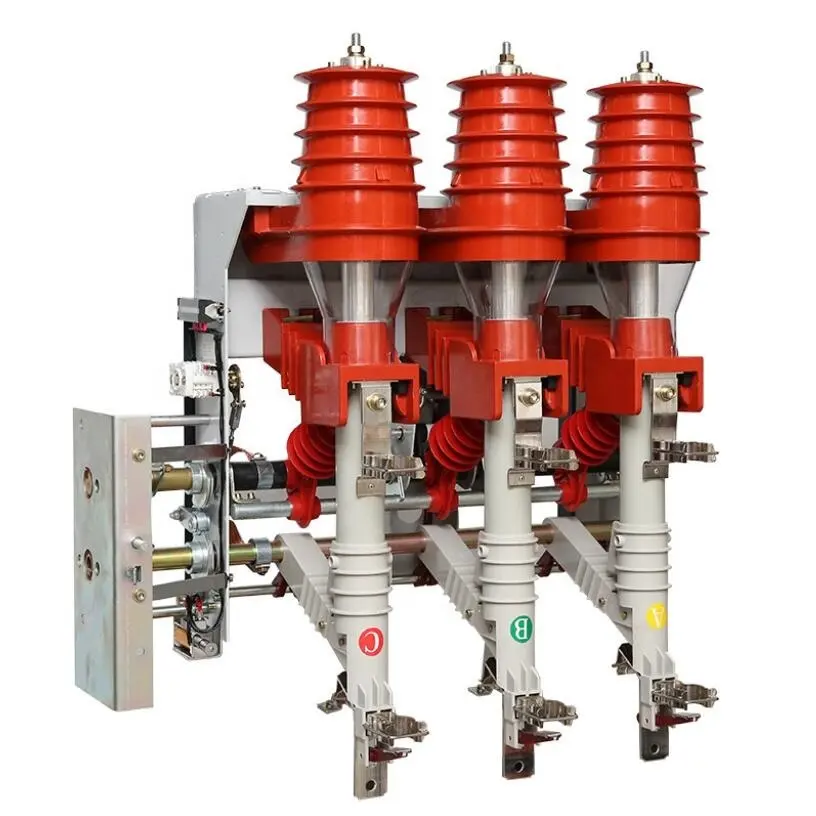
One of the defining features of modern gas load break switches is the three-position design: Connected, Disconnected, and Grounded. This integrated configuration simplifies distribution network operation by combining multiple functions into a single compact unit.
Connected Position
The switch completes the circuit, allowing load current and overload current to flow through the system. In this state, the SYHF unit carries rated currents up to 630A at voltages up to 11kV, with a rated frequency of 50/60Hz.
Disconnected Position
The switch opens the circuit, isolating the downstream section. This position is used for no-load circuit switching, transformer de-energization, and capacitor bank disconnection. The load break switch can safely interrupt load currents and overload currents, but it is important to note that load break switches cannot disconnect short-circuit currents. For fault current interruption, circuit breakers or fuses must be coordinated upstream.
Grounded Position
The switch establishes a visible ground connection to the downstream circuit, ensuring a safe working environment for maintenance crews. This feature is particularly valuable for outdoor pole-mounted applications where visual verification of grounding is required before work commences.
Understanding these three states is fundamental to proper switch selection and operational planning. The SYHF design achieves all three positions with a simple, cost-effective mechanical structure that minimizes maintenance requirements while delivering reliable performance.
Rated Parameters and System Compatibility
Selecting a load break switch begins with matching its electrical ratings to your distribution network specifications. The following parameters should be verified against your system requirements:
Rated Voltage
The maximum system voltage the switch can withstand. The SYHF Gas Load Break Switch is rated for 11kV applications, suitable for most medium voltage distribution networks. Verify that your network voltage does not exceed this rating.
Rated Current
The maximum continuous current the switch can carry without overheating. At 630A, the SYHF unit handles typical feeder and transformer loads in urban and rural networks. For higher current applications, derating factors based on ambient temperature and altitude may apply.
Rated Frequency
The SYHF switch supports both 50Hz and 60Hz systems, making it suitable for international projects and export applications. Confirm that your network frequency matches the switch's design specifications.
Short-Time Withstand Current
While the load break switch cannot interrupt short-circuit currents, it must be capable of withstanding fault currents for a limited duration until upstream protection devices operate. Check the switch's short-time withstand rating to ensure coordination with your protection scheme.
Distribution engineers should also consider the switch's load breaking capacity and fault making capacity, which determine its ability to safely close into and open under various circuit conditions. The SYHF switch is designed with excellent load breaking and fault connection capabilities, meeting the isolation requirements specified for load break switches in international standards.
Environmental Conditions and Installation Suitability
Medium voltage load break switches are often installed in demanding outdoor environments where temperature extremes, humidity, pollution, and altitude affect performance. The SYHF Gas Load Break Switch is engineered for harsh conditions, but proper selection still requires matching the switch's environmental ratings to your installation site.
Temperature Range
The SYHF switch operates reliably between -45°C and +85°C, covering most global climate zones from arctic cold to desert heat. For installations in regions with extreme temperatures, confirm that your specific model meets the required operational envelope.
Humidity
With a monthly average humidity rating of 95% and daily average of 90%, the SYHF switch is suitable for coastal and tropical environments where condensation and salt spray are concerns. The grounded metal box and SF6 insulation provide protection against moisture ingress and corrosion.
Altitude
Rated for installations up to 2500 meters or higher, the SYHF switch accommodates mountainous regions where air density affects insulation performance. For higher altitudes, dielectric derating may apply, and customers should discuss specific requirements with the manufacturer.
Pollution and Corrosion Resistance
The switch is designed to withstand salty atmospheres, corrosive industrial pollution, and ice and snow conditions. This makes it suitable for coastal industrial zones, chemical plants, and regions with heavy icing events. The grounded metal enclosure prevents leakage currents and ensures safe operation even in contaminated environments.
Seismic and Vibration
The SYHF switch is designed for areas without frequent violent shaking. For installations in earthquake-prone zones, confirm seismic qualification or request additional mounting considerations from the manufacturer.
When evaluating a load break switch for your project, ensure that the environmental ratings align with your installation site conditions. The SYHF unit's robust design provides reliable maintenance-free operation even under the harshest weather conditions, but proper selection still requires verifying these parameters against your specific location.
Operation Mechanism and Control Options
Modern distribution networks increasingly require remote operation and automation capabilities. The SYHF Gas Load Break Switch offers flexible control options to accommodate both traditional manual operation and advanced automation systems.
Spring Energy Storage Mechanism
The operating mechanism stores energy in springs, enabling fast closing and opening operations in less than 1000 milliseconds. This rapid operation minimizes arc duration, reduces contact erosion, and extends the switch's electrical lifespan. The spring-charged design also ensures consistent switching speed regardless of the operator's effort.
Local and Remote Control
The switch supports both manual and electric operation with Local/Remote selector positions. Manual operation is suitable for maintenance and emergency situations where electrical control is unavailable. Electric operation enables remote switching from control centers, supporting SCADA integration and distribution automation.
Intelligent Controller Compatibility
For automated distribution systems, the SYHF 11kV load break switch can be equipped with an intelligent controller. This enables features such as remote monitoring, automated fault isolation, and feeder restoration. The controller interface supports various communication protocols for integration with existing SCADA systems.
For procurement decisions, consider whether your network currently requires local manual operation, remote electrical control, or full automation. Selecting a switch with the appropriate control capabilities and future upgrade paths can reduce long-term infrastructure costs.
Bypass Application in Distribution Cabinet Maintenance
One specialized application of gas load break switches is in bypass configurations for distribution cabinet maintenance. The high-voltage bypass gas load break switch is designed specifically for maintenance and construction of distribution cabinets, providing uninterrupted power supply during line work.
Available in both manual and electric versions, the bypass load switch allows maintenance crews to temporarily route power around the section being serviced. This eliminates the need to de-energize entire feeders during routine inspections or component replacement, significantly improving system reliability and reducing customer outage minutes.
The SYHF bypass switch shares the same SF6 insulation and arc extinguishing advantages as the standard line switch, ensuring consistent performance in both normal and bypass modes. Its three-position design simplifies switching sequences and provides clear visual indication of switch status, reducing operational errors during complex switching procedures.
Key Technical Advantages of SF6 Gas Load Break Switches
Gas load break switches using SF6 as the insulation and arc extinguishing medium offer several distinct advantages over air or oil-based alternatives:
Superior Insulation Performance — SF6 gas has excellent dielectric strength, enabling compact switch designs with smaller footprint compared to air-insulated switches. This is particularly valuable for indoor substations and pole-mounted installations where space is constrained.
Excellent Arc Extinguishing Capability — SF6 effectively quenches arcs during switching operations, reducing contact erosion and extending electrical lifespan. Users have reported long electrical lifespan and strong breaking force with SF6 load break switches.
Three-Position Functionality — As noted earlier, SF6 switches readily achieve connection, disconnection, and grounding positions in a single compact unit, simplifying switchgear layouts and reducing component count.
Small Current Disconnection — SF6 load switches excel at disconnecting inductive and capacitive currents, making them suitable for capacitor bank switching and transformer no-load switching. This capability is often more challenging for vacuum load switches.
Environmental Robustness — The sealed SF6 enclosure protects internal components from moisture, dust, and corrosive contaminants, ensuring reliable operation in polluted and coastal environments.
These advantages make SF6 gas load break switches suitable for promotion and application in both urban and rural medium voltage distribution networks, offering a cost-effective alternative to vacuum technology while maintaining comparable or superior performance in specific applications.
Installation and Maintenance Considerations
While the SYHF Gas Load Break Switch is designed for maintenance-free operation under normal conditions, proper installation and periodic inspection remain important for long-term reliability.
Installation Height
The switch is rated for installation up to 2500 meters altitude. For installations above this altitude, consult the manufacturer for derating factors and specialized designs. Ensure that the mounting structure provides adequate support for the switch weight and withstands wind and seismic loads.
Clearance and Safety
The grounded metal box prevents leakage currents when the switch is open, but sufficient clearance should still be maintained between phases and to ground per applicable safety standards. Local regulations may specify minimum distances for different voltage levels.
Gas Pressure Monitoring
While SF6 switches are sealed for life, periodic pressure checks confirm that the gas density remains within specified limits. Low gas pressure indicates a leak that requires investigation before the switch loses its insulation and arc extinguishing capability.
Contact Wear and Timing Verification
After numerous switching operations, contact erosion and mechanical wear can affect switching timing and contact resistance. Regular timing tests and resistance measurements help verify that the switch continues to meet its rated performance.
Operating Mechanism Maintenance
The spring-charged mechanism benefits from periodic lubrication and inspection of wear components. While the SYHF design minimizes maintenance needs, following the manufacturer's recommended service intervals ensures continued reliable operation.
For distribution system operators, developing a structured maintenance program that includes visual inspection, gas pressure verification, and functional testing at scheduled intervals helps extend switch life and prevent unexpected failures.
Coordination with Other Protection Equipment
As noted at the beginning of this guide, load break switches cannot interrupt short-circuit currents. This is a fundamental limitation that influences how they are coordinated with other equipment in the distribution network.
In typical configurations, a load break switch is installed upstream of a fuse or downstream of a circuit breaker. The circuit breaker or fuse is responsible for clearing fault currents, while the load break switch handles load current switching and isolation functions. Proper coordination ensures that fault clearance occurs quickly without overstressing the load break switch.
For the SYHF Gas Load Break Switch, confirming fault current ratings and time-current coordination with upstream protection devices is essential. The switch must be capable of withstanding fault currents for the duration required for the upstream device to operate, without sustaining damage that compromises its ability to perform subsequent switching operations.
Distribution automation systems often use intelligent controllers to automate switching sequences during fault conditions. The SYHF switch's compatibility with automation controllers enables seamless integration into advanced protection schemes, reducing outage durations and improving overall system reliability.
Summary and Selection Checklist
Selecting the right gas load break switch for your medium voltage distribution network requires careful evaluation of technical parameters, environmental conditions, and operational requirements.
Voltage and Current Ratings
Verify that rated voltage (11kV) and rated current (630A) match your system specifications. Confirm frequency compatibility (50/60Hz).
Three-Position Functionality
Ensure that connection, disconnection, and grounding positions meet your operational needs for isolation and maintenance safety.
Environmental Suitability
Confirm temperature range (-45°C to +85°C), humidity tolerance, altitude capability (2500m), and resistance to pollution, salt spray, and ice.
Control and Automation
Determine whether manual operation, remote electric control, or intelligent automation is required. Verify communication interface compatibility with existing SCADA systems.
Bypass Capability
For distribution cabinet maintenance applications, consider manual or electric bypass load switch configurations.
Protection Coordination
Confirm that upstream circuit breakers or fuses are properly sized and coordinated to clear short-circuit currents without overstressing the load break switch.
Installation and Site Access
Verify that the installation site provides adequate access for maintenance and that mounting structures support the switch weight and withstand environmental loads.
The SYHF Gas Load Break Switch demonstrates how modern design and SF6 technology combine to deliver reliable, cost-effective switching solutions for medium voltage distribution networks. By carefully evaluating the technical indicators discussed above, distribution engineers can confidently select switches that meet both current operational needs and future automation requirements.
For detailed technical specifications, customized configurations, or pricing inquiries, contact the SYHF sales and engineering team to discuss your specific application.
Next :
-
Related News
- How a Circuit Breaker Protect Your Power System?
- SYHF 6300 kVA Three Phase Oil Immersed Transformer Gains Widespread Acclaim in Azerbaijan, Featured on Local Television
- Can Your Electrical Mini Substation Be Installed in Underground Parking?
- Why Choose a Dry Type Transformer?
- How can an Electrical Substation become the most reliable asset in my grid?
- How Did I Cut Risk And Cost With An Oil Immersed Transformer Upgrade?
Leave me a message