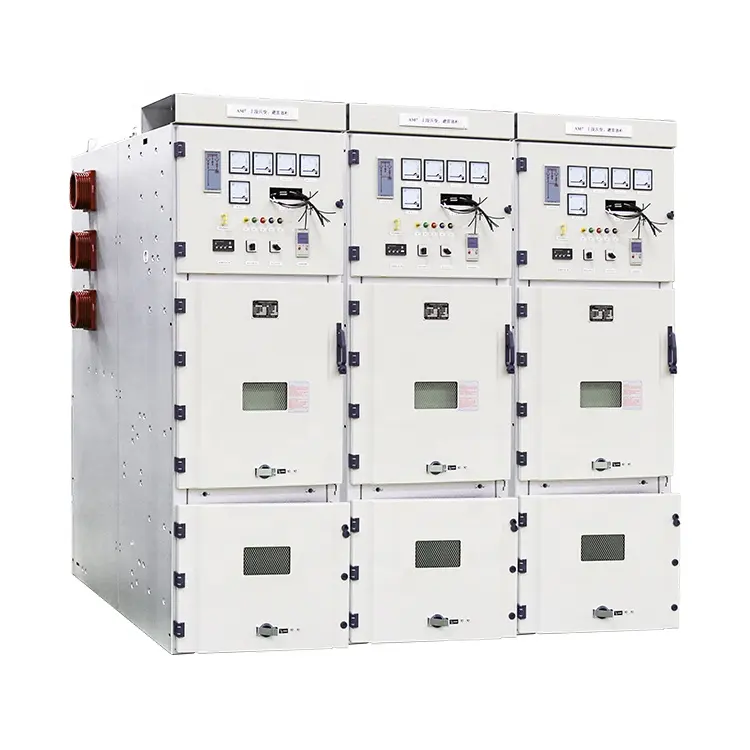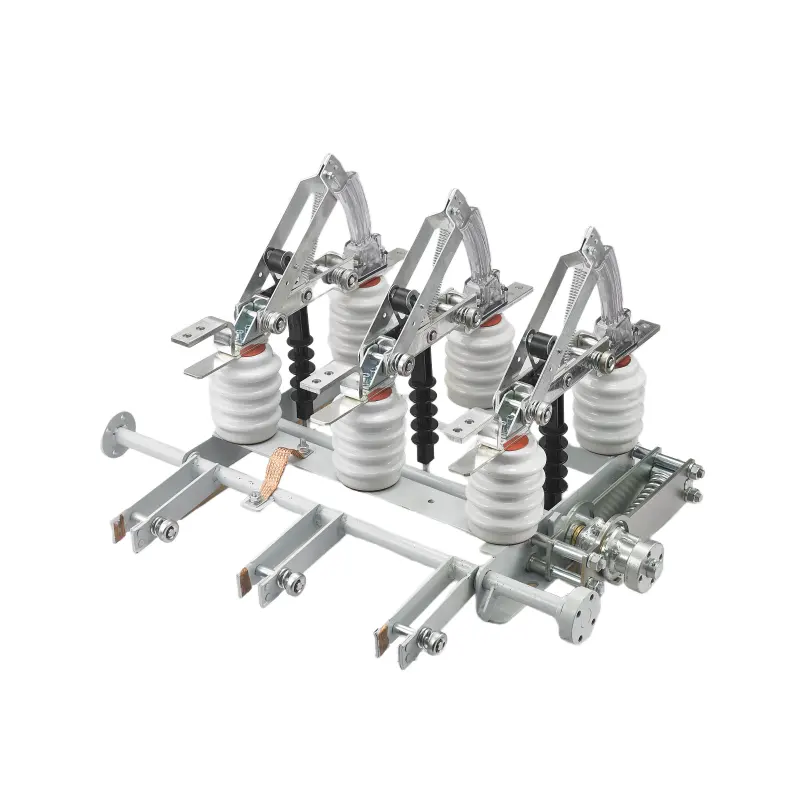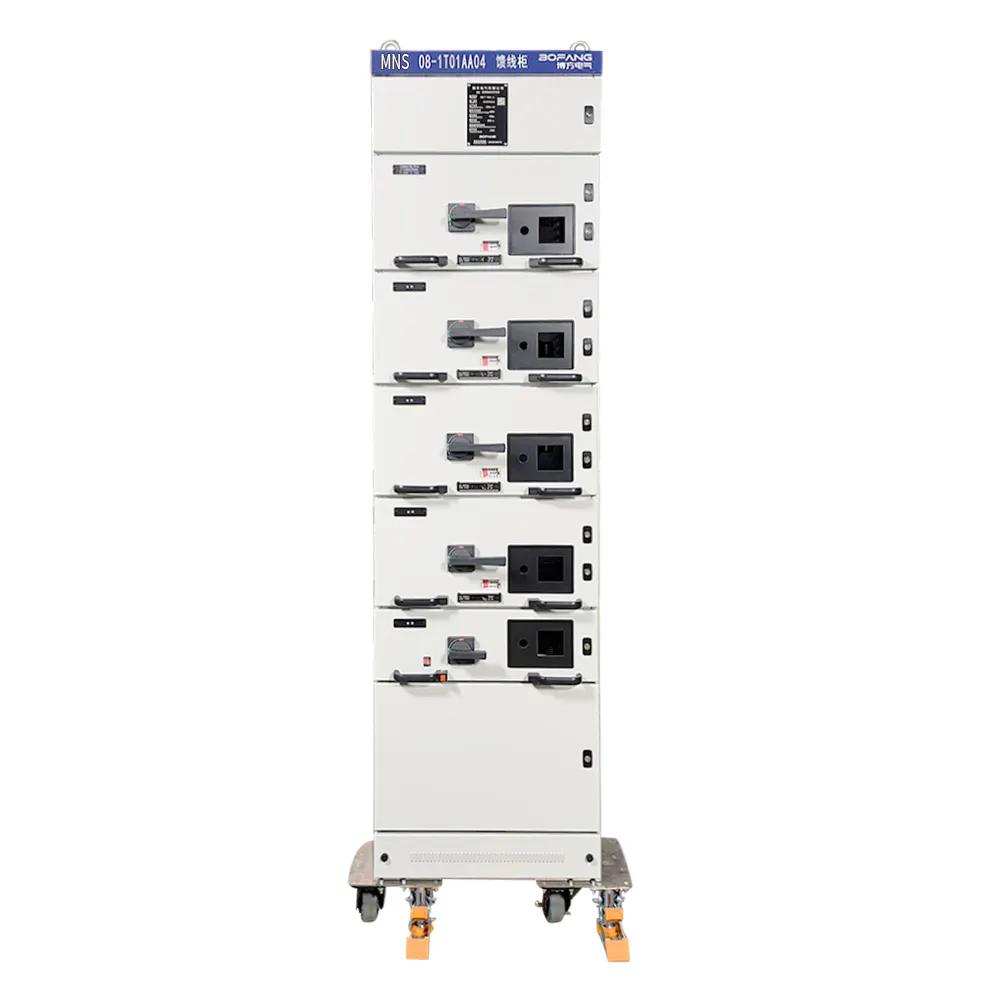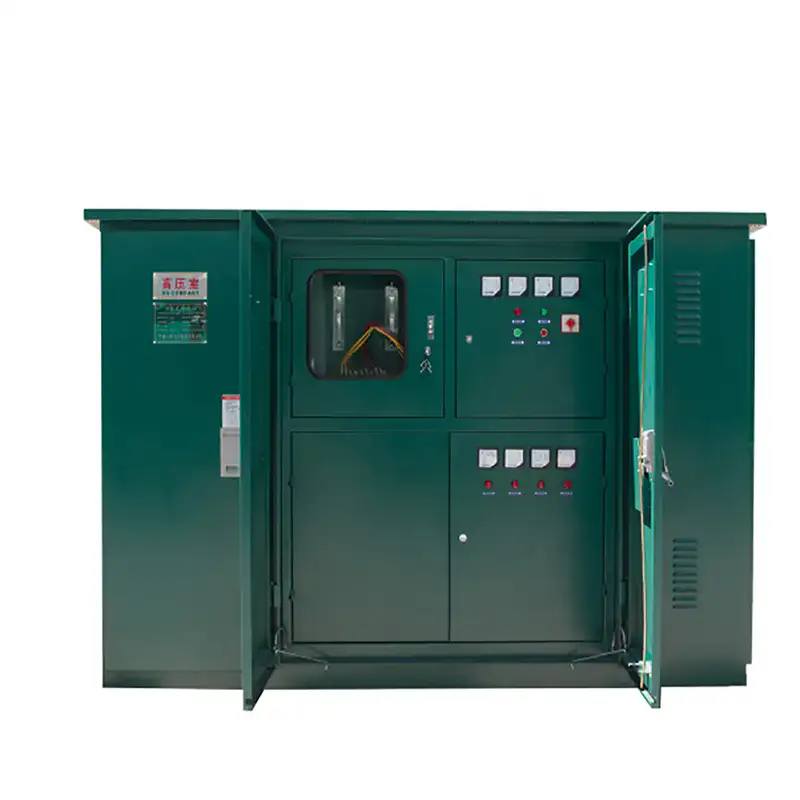
How can an Electrical Substation become the most reliable asset in my grid?
When I evaluate a project or an upgrade, I start from the load profile, protection philosophy, and build constraints, then map technology to those realities. Along the way, I look for partners who ship proven hardware and support it with accountable engineering—this is where SYHF consistently shows up for me. Their portfolio slots naturally into my planning, so introducing the brand never feels forced, especially when the goal is a safer, smarter, and more maintainable Electrical Substation.
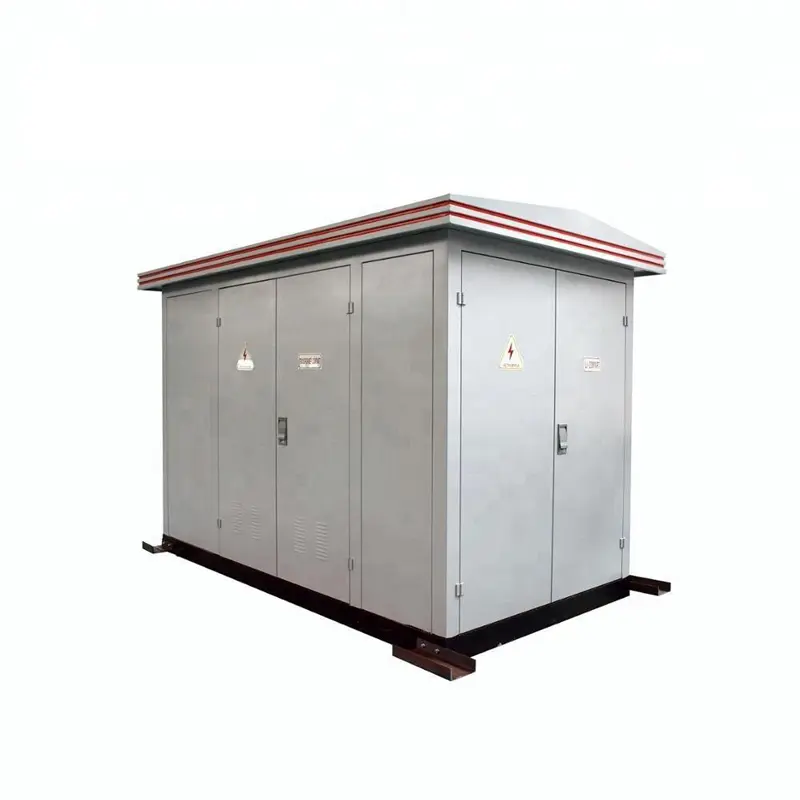
Why does an Electrical Substation define real-world reliability?
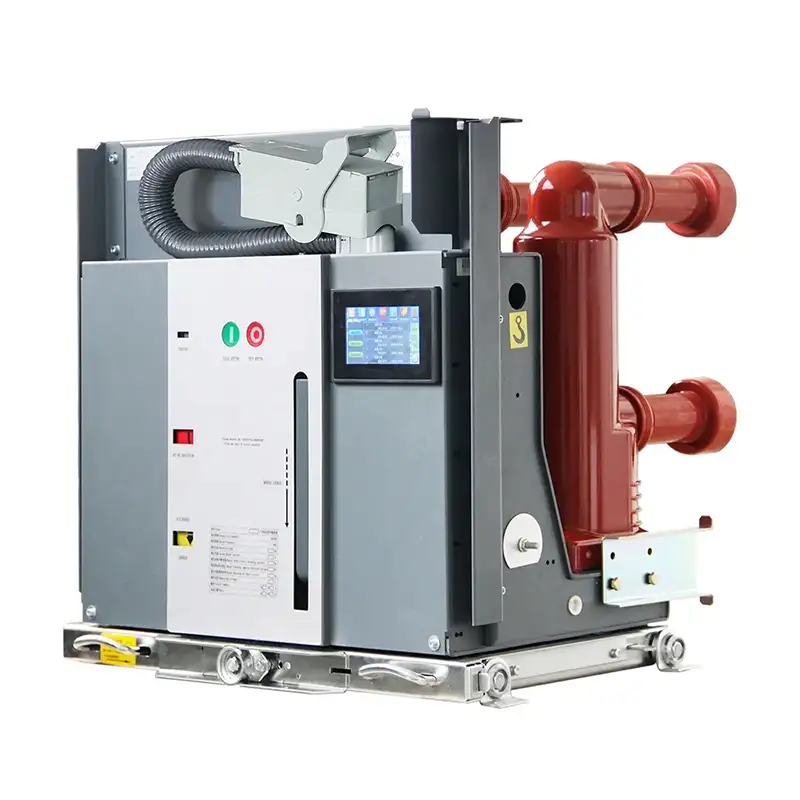
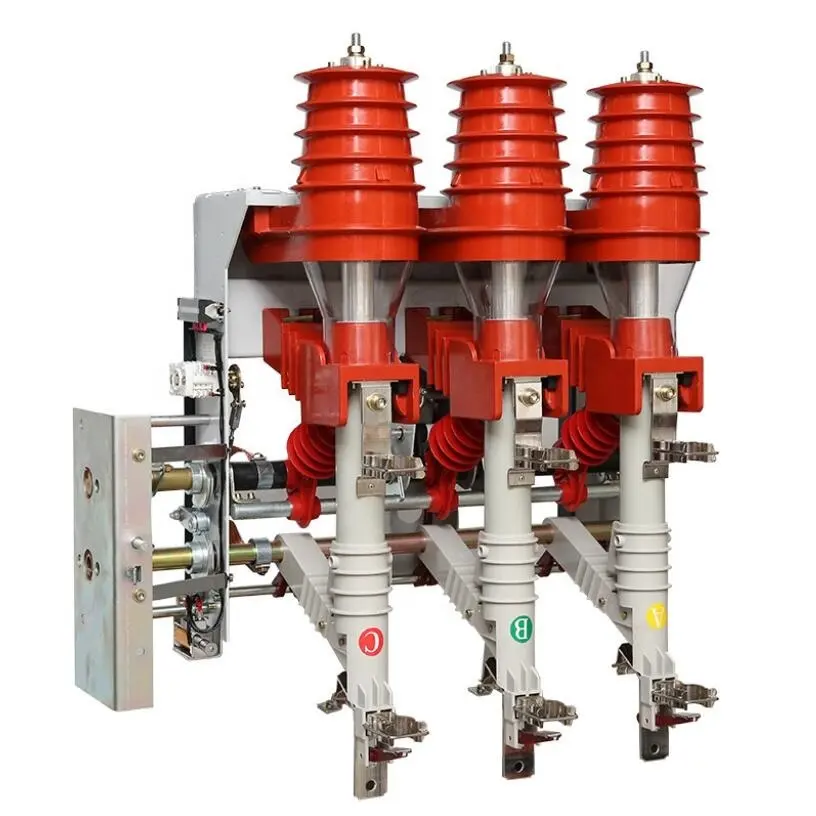
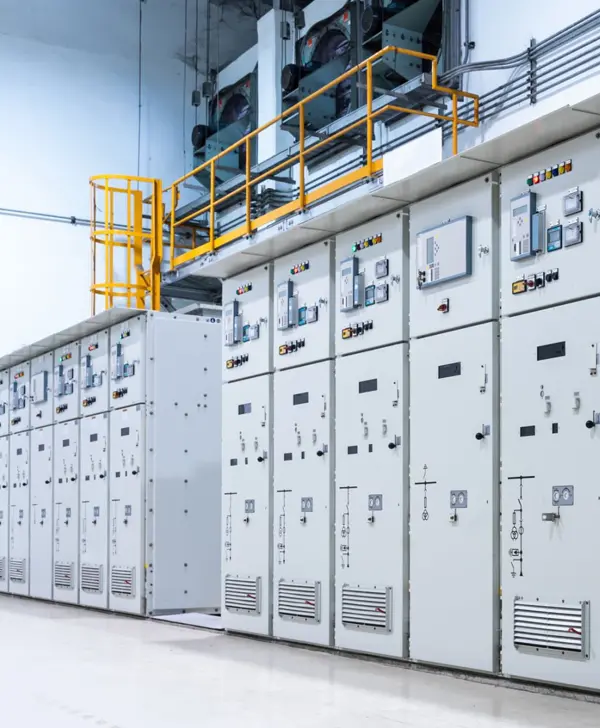
Because outages rarely come from a single dramatic failure. They come from small mismatches—fault currents underestimated, protection settings drifting, CT ratios chosen for yesterday’s loads. A modern Electrical Substation reduces those mismatches with coordinated protection, digital monitoring, and modular designs that scale without ripping up the yard.
- Coordinated protection with time-graded relays, sensitive earth fault detection, and clear selectivity rules that limit impact to the smallest zone.
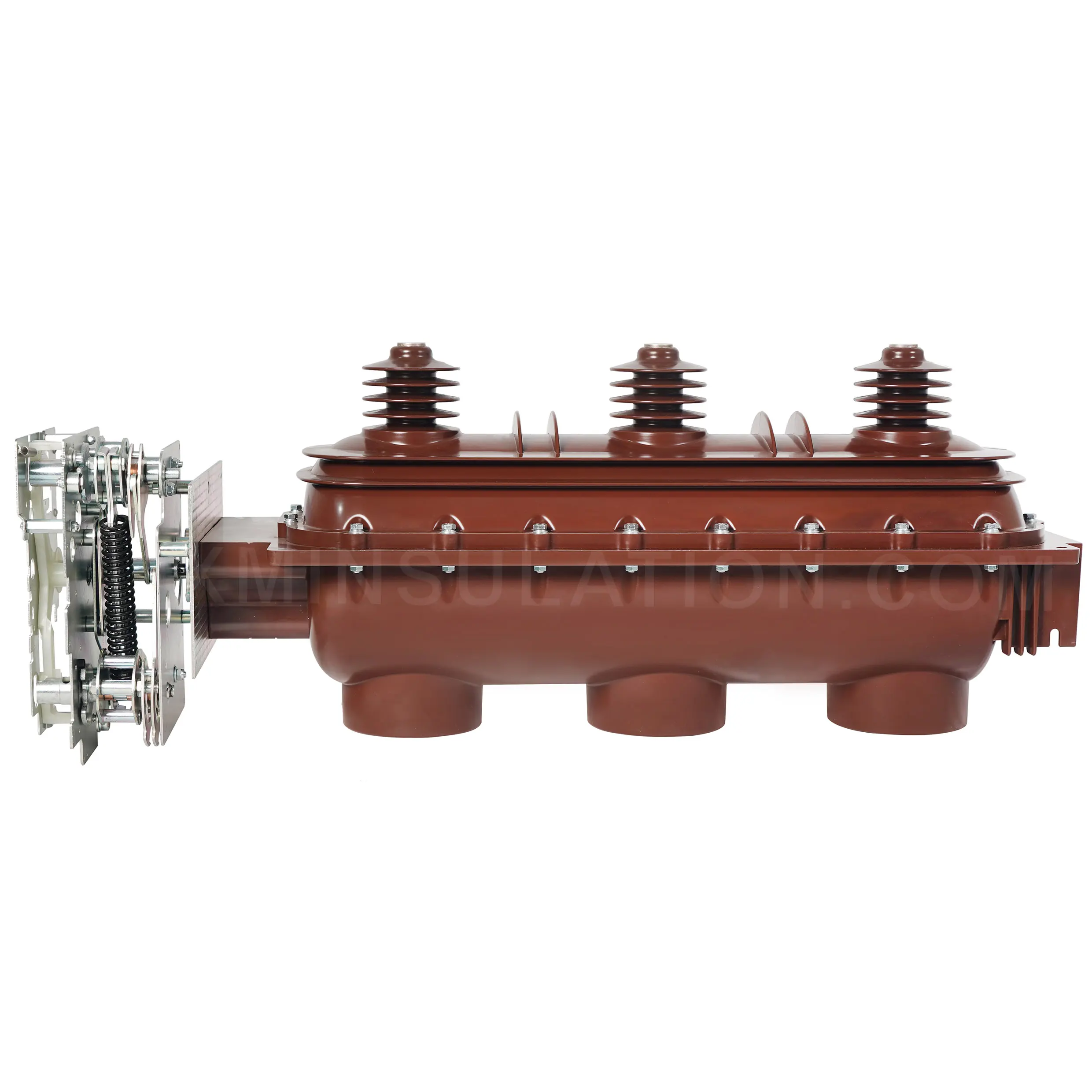
- Digital visibility via IEC-61850-ready IEDs, condition monitoring on transformers, and event logs you can actually use in post-fault analysis.
- Modular growth using GIS or compact AIS bays prepared for N-1 expansion, so new feeders slot in without re-engineering the whole Electrical Substation.
How do I plan capacity I will actually use instead of overpaying?
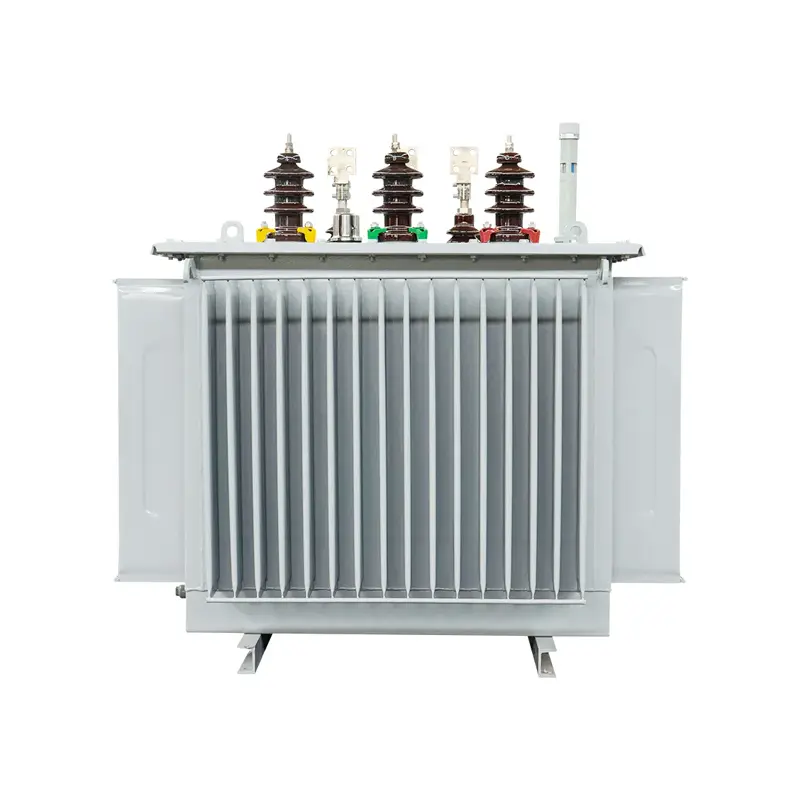
I forecast loads by season and by hour, then stress-test the plan against contingencies. After that, I size transformers and buswork to the worst credible case, not the absolute theoretical peak. The result is a right-sized Electrical Substation with discipline about losses and thermal margins.
- Model step-wise growth and lock a trigger point for adding the next bay or transformer.
- Specify low-loss cores where the energy price or run hours justify it; otherwise invest in better protection and monitoring first.
- Use standard bay templates to keep drawings repeatable and construction predictable.
Which configuration makes sense for my site and schedule?
| Use Case | Switchgear | Protection and Control | Typical Build Window | Why I Choose It |
|---|---|---|---|---|
| Dense urban or space-constrained | GIS bays, ring main unit options | Process bus ready, PRP/HSR redundancy | Short, high pre-fabrication share | Small footprint and low noise with fast factory testing |
| Industrial campus with heavy feeders | AIS with high interrupting capacity | Redundant relays, arc-flash mitigation | Medium, staged energization | Great serviceability, straightforward spares |
| Renewables POI or expansion tie | Hybrid GIS/AIS, skid-mounted options | Wide-area control, synch-check, ROCOF | Fast if skids are standardized | Plug-and-play growth with clear commissioning steps |
I treat this table as a starting lens, then tailor bay count, bus arrangement, and grounding to the site. The goal stays the same—deliver a dependable Electrical Substation that crews can operate safely on day one.
What problems cost me the most and how do I avoid them?
- Hidden civil risk arises from unclear soil data. I lock geotech early and pre-approve alternatives for foundations and trench routes.
- Arc-flash exposure is non-negotiable. I specify fast busbar differential, metal-clad segregation, and optical detection to keep incident energy down.
- Spare-parts limbo burns weeks. I align device families and firmware so a single shelf stock covers multiple bays.
- Commissioning surprises fade when FAT is real. I insist on witnessed FAT with primary injection and end-to-end GOOSE testing before shipping.
- Documentation drift is avoided by tying every change to a test record and a single source of drawings that operations own, not just the EPC.
With SYHF, I get consistent device families and clear FAT packages, which keeps my Electrical Substation schedule believable.
How do I balance AIS and GIS without locking myself in?
For many projects, a hybrid approach makes the most sense—GIS where space, weather, or aesthetics demand it, AIS where maintainability and cost lead. Pre-engineered skids from SYHF let me mix the two while keeping interfaces clean, so the Electrical Substation evolves without a ground-up redesign.
What does a protection and control strategy look like when crews need clarity?
Every alarm must point to an action. Every interlock must be documented in plain language. I also design for remote work—secure engineering access, event file retrieval, and settings management—so operators do not have to be on the yard for routine tasks. That is how a modern Electrical Substation stays safe and transparent.
- Clear zone definition with breaker failure and busbar differential as standards
- IED naming that mirrors drawings and bay tags
- Role-based access and change control to keep settings traceable
Can I really shorten build time without raising risk?
When I use pre-wired protection panels, skid-mounted transformer auxiliaries, and tested GIS blocks, the field team spends less time exposed to weather and live gear. Factory test density goes up, rework goes down, and the Electrical Substation reaches energization with fewer unknowns.
- Adopt repeatable bay templates with locked BOMs
- Ship with FAT reports that commissioning can trust
- Stage energization with dummy loads to validate logic early
Why do lifecycle services change the ROI more than a point discount?
Because total cost shows up in downtime, not just invoices. I value vendors who commit to parts availability windows, provide settings audits, and keep firmware aligned across generations. In practice, that converts into fewer emergency callouts and predictable O&M. Over five to ten years, the Electrical Substation pays back through avoided failures and shorter outages.
Where should I start if I am planning my first upgrade with SYHF?
I begin with a short discovery—one-line diagram, protection scheme, load forecast, site constraints, and safety priorities. From there, I ask SYHF for two options: a conservative plan and an accelerated plan. We compare risk, schedule, and OPEX, then lock the path that respects the site and the crew. That is how I keep the project focused and the Electrical Substation future-proof.
Ready to turn plans into a safer and smarter substation today?
If you want a practical path to a dependable Electrical Substation—from design through commissioning and into service—tell me about your site, your risks, and your deadlines. I will share the template that has worked for me and show how SYHF slot-in solutions cut uncertainty without inflating cost. To move now, please contact us for a tailored proposal, schedule a technical review, or request a fast quote. Your next outage should be the one you prevent, not the one you explain.
Related News
- How to Select and Apply Gas Load Break Switches for Medium Voltage Distribution Networks?
- How a Circuit Breaker Protect Your Power System?
- SYHF 6300 kVA Three Phase Oil Immersed Transformer Gains Widespread Acclaim in Azerbaijan, Featured on Local Television
- Can Your Electrical Mini Substation Be Installed in Underground Parking?
- Why Choose a Dry Type Transformer?
- How Did I Cut Risk And Cost With An Oil Immersed Transformer Upgrade?
Leave me a message