How Does a 4000 KVA Three Phase Oil Immersed Transformer Work?
Article Summary
A 4000 KVA Three Phase Oil Immersed Transformer is designed to transfer electrical energy between voltage levels while supporting substantial industrial and commercial power demands. Its performance depends on the electromagnetic design, winding configuration, insulating oil, cooling arrangement, protection devices, and installation conditions. For project owners and procurement professionals, selecting the right transformer involves more than checking its rated capacity. Primary and secondary voltages, frequency, impedance, vector group, losses, insulation levels, environmental conditions, and applicable standards must all match the power system. This guide explains how a 4000 kVA transformer works, its major components, application scenarios, selection criteria, installation considerations, and maintenance requirements. It also outlines how SYHF (Jiangsu) Electric Co., Ltd. can support buyers evaluating transformer solutions for industrial power distribution.
01 · Product Fundamentals
What Is a 4000 KVA Three Phase Oil Immersed Transformer?
A 4000 KVA Three Phase Oil Immersed Transformer is an electrical power transformer with a rated apparent power capacity of 4,000 kilovolt-amperes. It is designed to transfer electrical energy between circuits operating at different voltage levels through electromagnetic induction.
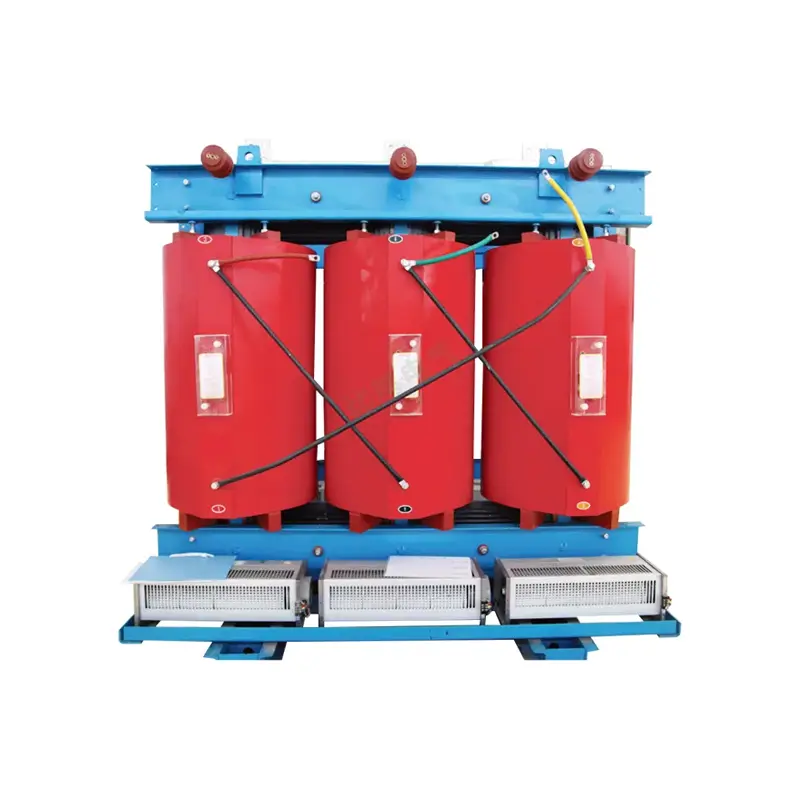
Unlike dry-type transformers, which rely primarily on air and solid insulation systems, oil immersed transformers use insulating liquid around their active components. This liquid provides electrical insulation and helps transfer heat away from the core and windings to the cooling surfaces of the transformer.
The three-phase configuration is widely used in industrial power distribution because it supports balanced power transmission and is suitable for equipment with substantial electrical loads. A 4000 kVA unit can serve as an important power conversion point in a factory, industrial park, commercial development, or substation.
Understanding the 4000 kVA Rating
The rated capacity of 4,000 kVA represents apparent power rather than real power consumption in kilowatts. Actual available active power depends on the power factor of the connected load.
For example, at a power factor of 0.9, a transformer operating at its full 4,000 kVA rating corresponds to approximately 3,600 kW of active power. This is an illustrative calculation, not a recommendation to operate continuously at full loading without considering the manufacturer's thermal and operating limits.
Important distinction: A 4000 kVA rating does not define the primary voltage, secondary voltage, frequency, or winding material. These parameters must be specified according to the project requirements.
02 · Operating Principle
How Does a 4000 KVA Three Phase Oil Immersed Transformer Work?
The transformer operates according to the principle of electromagnetic induction. When alternating current flows through the primary winding, it produces a changing magnetic flux in the laminated magnetic core. This magnetic flux links with the secondary winding and induces an alternating voltage.
1. Primary Winding Receives Electrical Energy
The primary winding is connected to the incoming power supply. Its voltage and current are determined by the electrical network and the transformer's rated design. Proper insulation between turns and between windings is essential for safe operation.
2. Magnetic Core Transfers Energy
The core provides a low-reluctance path for magnetic flux. It is commonly constructed from laminated electrical steel designed to control magnetic losses. Core design and material quality influence no-load losses, magnetizing current, and overall efficiency.
3. Secondary Winding Supplies the Required Voltage
The secondary winding delivers electrical energy at the designed output voltage. The relationship between primary and secondary voltage is mainly determined by their winding turns ratio, subject to the actual transformer connection and operating conditions.
4. Insulating Oil Supports Cooling and Dielectric Strength
Heat generated by the core and windings is transferred to the surrounding insulating liquid. Natural circulation or assisted cooling moves this heat toward radiators or other cooling surfaces, where it is released into the surrounding environment.
For a conventional oil immersed transformer, ONAN cooling means Oil Natural Air Natural. Oil circulates naturally through temperature differences, while external air removes heat from the tank and radiators. Other cooling arrangements may be selected according to the required capacity and operating conditions.
Through these processes, the transformer provides voltage conversion while maintaining the electrical insulation and thermal conditions required for dependable operation.
03 · Construction
What Are the Main Components of a 4000 KVA Oil Immersed Transformer?
Understanding the main components helps engineering teams evaluate transformer construction, maintenance requirements, and long-term operating reliability.
Magnetic Core
The core provides the magnetic circuit connecting the primary and secondary windings. Its material, lamination structure, joint design, and assembly accuracy influence magnetic performance and energy losses.
High-Voltage and Low-Voltage Windings
The windings carry electrical current and establish the voltage transformation ratio. Copper or aluminum conductors may be used depending on the engineering design, performance targets, and customer requirements.
Insulating Oil and Insulation System
The insulating liquid provides dielectric insulation and transfers heat from the active components. Solid insulation materials are also used between winding layers and other electrical parts. Oil quality and moisture control are important for maintaining insulation performance.
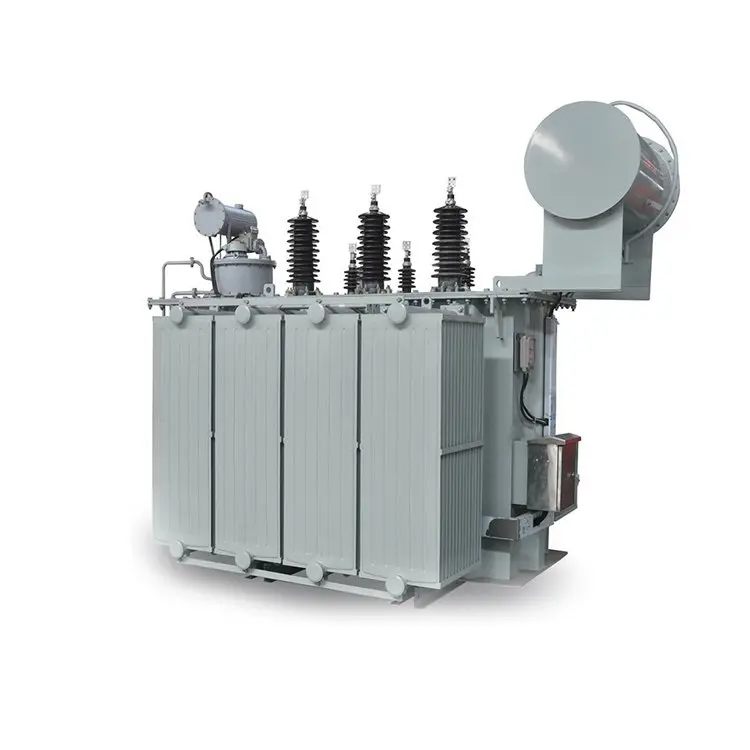
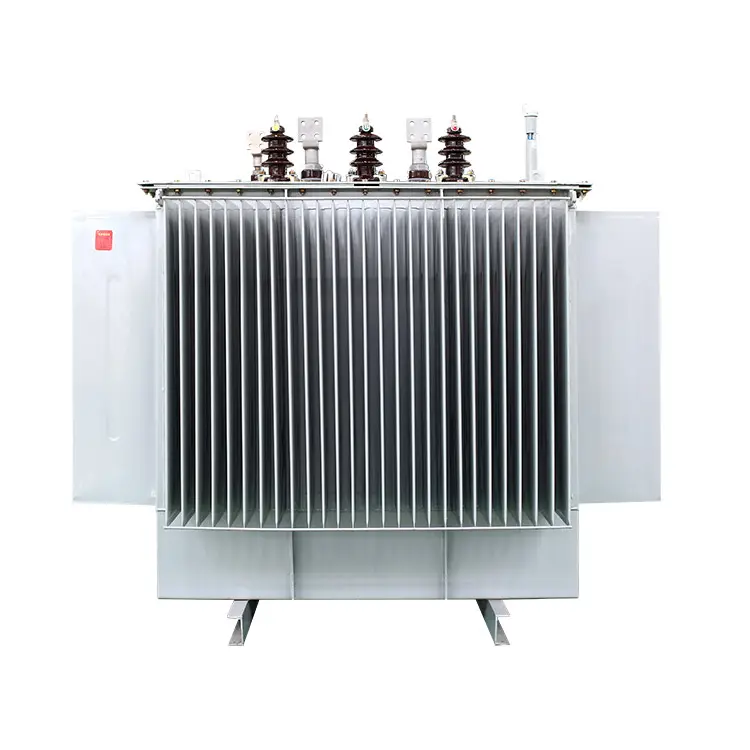
Transformer Tank and Radiators
The tank contains the active components and insulating liquid. Radiators or cooling panels increase the heat dissipation area. Tank construction must withstand the applicable mechanical, pressure, and environmental conditions.
Bushings and Connection Terminals
Bushings provide insulated passages for electrical connections between the internal windings and external circuits. Their voltage and current ratings must correspond to the system design and installation arrangement.
Tap Changer and Protection Accessories
A tap changer adjusts the effective turns ratio to help maintain the required voltage under changing network conditions. Depending on the design, a transformer may also include an oil level indicator, temperature indicators, pressure relief device, gas relay, and other monitoring or protection accessories.
04 · Performance Advantages
Key Advantages of a 4000 KVA Three Phase Oil Immersed Transformer
High Power Handling Capacity
A 4,000 kVA rating makes this transformer suitable for projects requiring substantial electrical capacity. It can support industrial production equipment, large commercial facilities, and power distribution infrastructure when properly matched to the load profile.
Effective Heat Dissipation
The insulating liquid helps remove heat from the windings and core. Combined with a properly designed radiator system, oil immersed construction can provide effective thermal management for high-capacity applications.
Reliable Electrical Insulation
The combination of liquid and solid insulation helps separate energized components and maintain dielectric strength. Correct material selection, manufacturing controls, and moisture management are essential to preserving insulation performance.
Flexible Voltage Configuration
Primary and secondary voltage ratings can be designed according to the electrical network. This flexibility allows a transformer to support different industrial distribution systems and substation configurations.
Adaptability to Outdoor Installations
With an appropriate enclosure, cooling arrangement, corrosion protection, and environmental design, oil immersed transformers can be used in outdoor substations and industrial installations. The exact protection requirements depend on the project location.
Long-Term Operating Potential
When correctly selected, installed, loaded, and maintained, an oil immersed transformer can provide long-term service. Actual service life depends on insulation aging, thermal stress, oil condition, loading patterns, maintenance quality, and environmental factors.
05 · Industrial Applications
Where Is a 4000 KVA Three Phase Oil Immersed Transformer Used?
The capacity and voltage configuration of a 4000 kVA transformer make it relevant to several types of power distribution projects.
Manufacturing Plants
Factories operating production lines, motors, welding equipment, compressors, and other industrial machinery need stable electrical distribution. A properly selected transformer can provide the required voltage and capacity for these loads.
Industrial Parks
Industrial parks often contain multiple buildings and production facilities with different operating schedules. Transformers can serve as part of the site's medium-voltage to low-voltage distribution infrastructure.
Commercial and Infrastructure Projects
Large commercial developments, transportation facilities, and infrastructure projects may require substantial power conversion capacity for lighting, HVAC systems, elevators, and other electrical equipment.
Substations and Utility Distribution Networks
Oil immersed transformers are widely used in substations to convert voltage levels and support power delivery between different parts of an electrical network. Their voltage ratio, connection group, insulation coordination, and protection system must be designed for the specific grid.
Energy and Utility Projects
Power generation facilities and energy-related installations may use transformers to connect generation equipment with distribution networks. The required design depends on the generator output, grid voltage, operating profile, and protection requirements.
06 · Technical Parameters
Important Technical Specifications to Consider Before Purchasing
Choosing a 4000 kVA transformer requires reviewing the complete technical specification rather than focusing on capacity alone. The following parameters should be clearly stated in the purchase specification and confirmed in the manufacturer's technical proposal.
| Technical Parameter | What Buyers Should Confirm | Why It Matters |
|---|---|---|
| Rated Capacity | 4000 kVA | Defines the rated apparent power. |
| Number of Phases | Three phase | Must match the electrical network. |
| Primary Voltage | Project-specific HV rating | Must match the incoming supply. |
| Secondary Voltage | Project-specific LV rating | Must match downstream equipment. |
| Frequency | 50 Hz or 60 Hz | Must match the local power system. |
| Cooling Method | ONAN, ONAF, or specified alternative | Determines the thermal management arrangement. |
| Vector Group | Project-specified connection group | Affects phase displacement and system compatibility. |
| Impedance Voltage | Specified percentage | Influences fault current and voltage regulation. |
| Winding Material | Copper or aluminum | Affects design, cost, and electrical characteristics. |
| Insulation Level | According to rated voltage and applicable standard | Determines dielectric withstand capability. |
| Losses | No-load and load losses | Affects operating efficiency and lifecycle cost. |
| Tap Changer | Off-circuit or on-load arrangement | Supports the required voltage adjustment strategy. |
Understanding Rated Current
For a balanced three-phase transformer, rated line current can be calculated using the following formula:
Three-phase rated current formula:
I = S / (√3 × U)
Where:
- I = Rated line current in amperes (A)
- S = Apparent power in volt-amperes (VA)
- U = Line-to-line voltage in volts (V)
For example, a 4000 kVA transformer operating at a nominal voltage of 11 kV on one winding would have an approximate rated line current of 210 A on that side. At 400 V on the other winding, the approximate rated line current would be 5,774 A.
These figures are illustrative calculations. Actual rated currents must be confirmed against the final nameplate ratings and design configuration.
Applicable Standards and Testing
IEC 60076 is an important series of international standards covering power transformers. Depending on the destination market and project specification, other national or regional requirements may also apply.
Buyers should confirm the required routine tests, type tests where applicable, special tests, inspection procedures, and documentation before production. Relevant checks may include winding resistance, voltage ratio, polarity or vector group, impedance, losses, dielectric tests, and insulation-related measurements.
07 · Purchasing Guide
How to Select the Right 4000 KVA Three Phase Oil Immersed Transformer
Correct transformer selection begins with an understanding of the actual electrical load and the operating environment. A suitable transformer should meet present requirements while providing an appropriate basis for future system planning.
Step 1: Calculate the Total Load Demand
Identify the connected equipment, rated power, operating schedules, power factor, starting currents, and expected simultaneous demand. Consider load growth, but avoid selecting capacity based only on an arbitrary safety margin.
Step 2: Confirm Primary and Secondary Voltages
Obtain the utility supply voltage and the voltage required by downstream equipment. Confirm the frequency and whether the transformer must support a particular grounding arrangement or connection group.
Step 3: Evaluate Cooling Requirements
Review ambient temperature, altitude, ventilation, expected loading, and installation space. The selected cooling arrangement must provide adequate thermal performance under the actual site conditions.
Step 4: Compare Energy Losses
Request guaranteed no-load and load losses from suppliers. A transformer with a lower purchase price may have higher operating costs over its service life. Evaluate total cost of ownership, including energy losses, maintenance, and installation expenses.
Step 5: Confirm Protection and Accessories
Determine whether the project requires temperature monitoring, pressure relief devices, gas protection, oil level indication, surge protection, or other accessories. Coordinate the transformer protection scheme with the upstream and downstream electrical equipment.
Step 6: Review Installation and Transportation Constraints
Check the transformer dimensions, total weight, oil quantity, lifting arrangements, transportation route, foundation capacity, and access for future maintenance. These details can significantly affect project cost and scheduling.
Procurement tip: Send the same technical specification to every shortlisted manufacturer. This makes it easier to compare quotations, identify missing parameters, and avoid purchasing equipment that does not meet the project's actual requirements.
08 · Installation and Operation
Installation and Operational Considerations for a 4000 KVA Transformer
Correct installation is essential for safe operation and long-term performance. Transformer installation should be carried out by qualified electrical professionals in accordance with the approved drawings, manufacturer instructions, and local electrical regulations.
Foundation and Site Preparation
The foundation must support the equipment's operating weight and comply with the project's structural requirements. The installation area should provide sufficient access for transportation, lifting, inspection, and maintenance.
Ventilation and Heat Dissipation
For outdoor installations, the cooling surfaces should not be obstructed by walls, vegetation, or other equipment. Indoor installations require suitable ventilation and a fire safety design appropriate to the insulating liquid and applicable regulations.
Electrical Connections
Verify that incoming and outgoing connections match the approved drawings. Check terminal ratings, conductor sizes, grounding, phase identification, clearances, and protection coordination before energization.
Pre-Commissioning Inspection
- Inspect the tank, radiators, bushings, and external accessories.
- Check oil level and inspect for leakage.
- Verify grounding and electrical connections.
- Confirm tap changer position and nameplate information.
- Complete the specified electrical tests and protection checks.
- Review commissioning records before energization.
Initial energization and loading should follow the manufacturer's approved procedure and the project's commissioning plan. Any abnormal noise, leakage, temperature rise, or protection alarm should be investigated by qualified personnel.
09 · Maintenance and Reliability
How to Maintain a 4000 KVA Three Phase Oil Immersed Transformer
Preventive maintenance helps identify developing problems before they cause equipment failure or unexpected outages. A maintenance plan should be based on the manufacturer's recommendations, operating conditions, equipment criticality, and applicable standards.
Monitor Insulating Oil Condition
Oil testing can provide information about moisture, dielectric strength, acidity, and other relevant characteristics. Dissolved gas analysis may help identify certain internal electrical or thermal faults. Testing frequency should reflect the transformer's condition and operating history.
Inspect for Oil Leakage
Check seals, valves, flanges, radiators, and other connections for signs of leakage. Any loss of insulating liquid should be assessed promptly because it may affect insulation and cooling performance.
Monitor Temperature and Loading
Record operating load and temperature trends. Persistent operation beyond rated limits can accelerate insulation aging and reduce service life. Loading decisions should follow the manufacturer's thermal limits and relevant loading guidance.
Inspect Bushings and Electrical Connections
Look for contamination, cracks, discoloration, corrosion, and loose connections. Appropriate electrical testing should be performed according to the maintenance plan and safety procedures.
Maintain Cooling Equipment
Inspect radiators, cooling fans, pumps where fitted, and control circuits. Ensure that cooling passages remain unobstructed and that auxiliary equipment operates as intended.
All internal inspections and electrical maintenance must be performed by qualified personnel using approved isolation, grounding, and safety procedures. A written maintenance record helps track changes in equipment condition and supports future maintenance decisions.
10 · Manufacturer Selection
How to Choose a Reliable 4000 KVA Transformer Manufacturer
For international buyers, selecting a manufacturer is an important part of project risk management. Product performance, technical communication, production capability, quality documentation, and after-sales support should all be considered.
Evaluate Manufacturing Capabilities
Review the manufacturer's production facilities, technical team, manufacturing processes, testing equipment, and experience with comparable transformer ratings. Factory information and product references can help buyers understand whether the supplier is suitable for their project.
Check Technical Customization Capabilities
Different countries and electrical networks have different voltage levels, frequencies, insulation requirements, and environmental conditions. A capable manufacturer should be able to review project specifications and provide a technically appropriate proposal.
Request Clear Testing Documentation
Ask for an inspection and testing plan, relevant factory test records, and confirmation of the applicable standards. If required, clarify whether customer witness testing or independent third-party inspection can be arranged.
Compare the Complete Commercial Proposal
Review not only the quoted transformer price but also included accessories, packaging, transportation, delivery schedule, warranty terms, documentation, and technical support. Clear commercial conditions help avoid unexpected costs during project execution.
Explore Transformer Solutions from SYHF
SYHF (Jiangsu) Electric Co., Ltd. is a manufacturer of transformers and high- and low-voltage power distribution equipment, integrating research and development, production, and sales. Its manufacturing base is located in Pizhou City, Jiangsu Province, China.
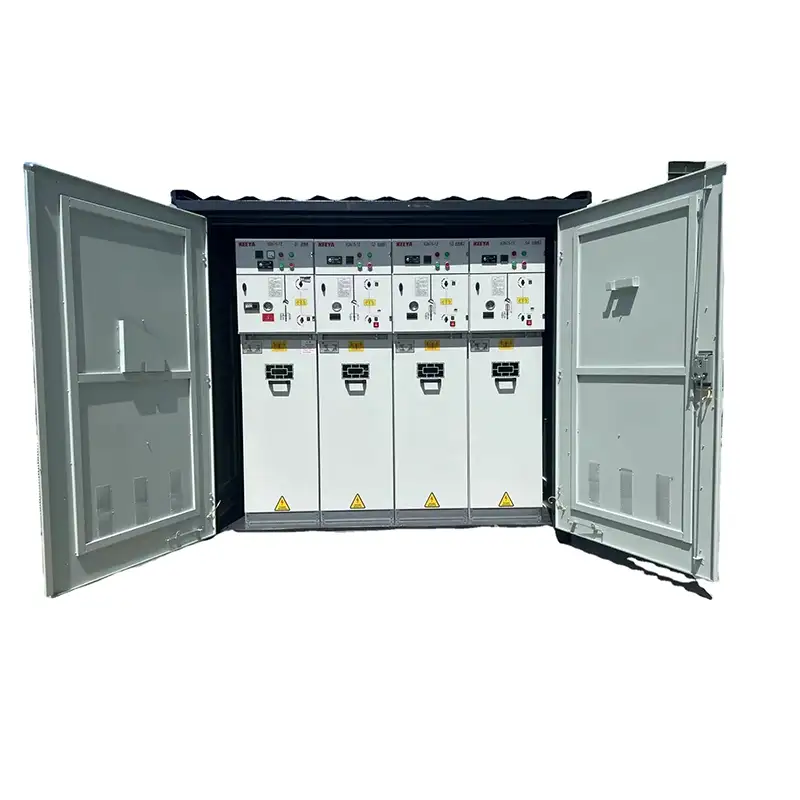
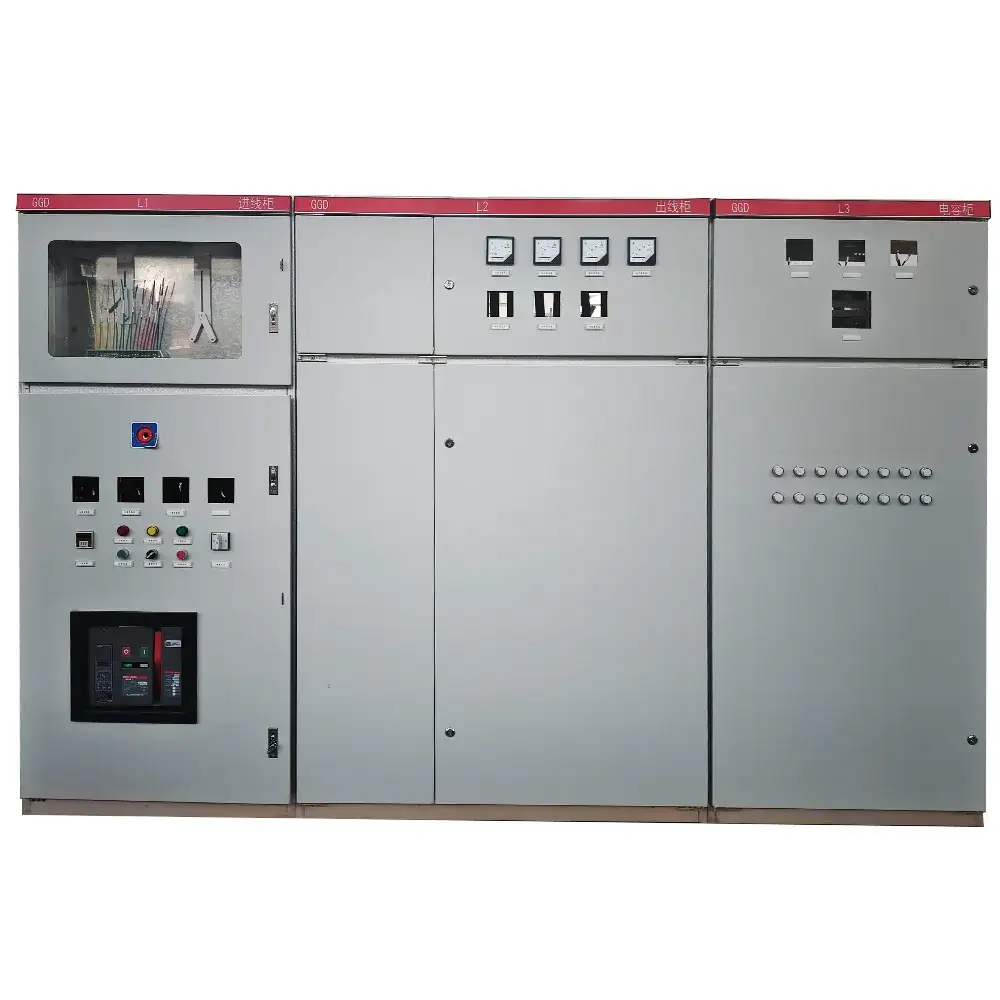
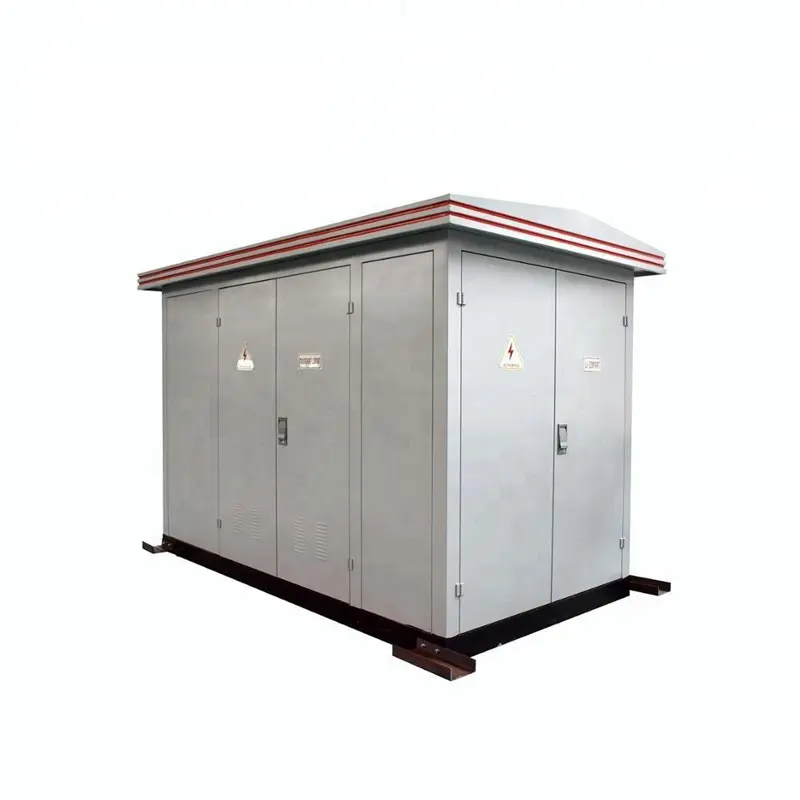
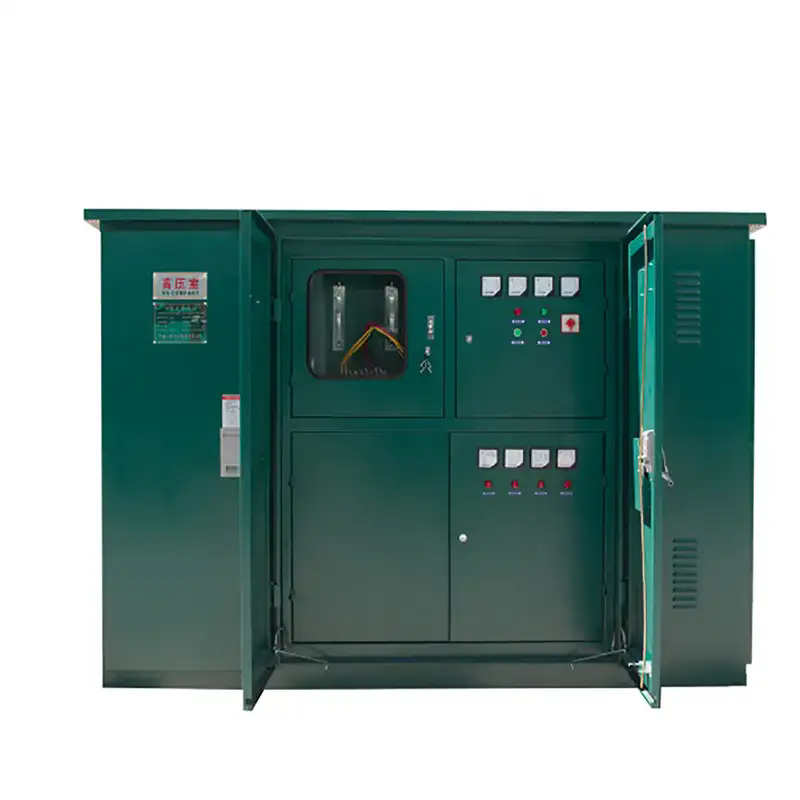
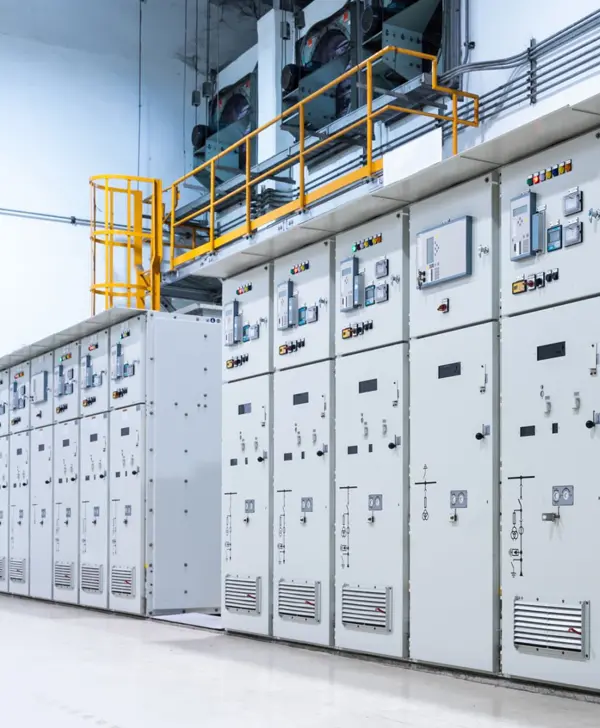
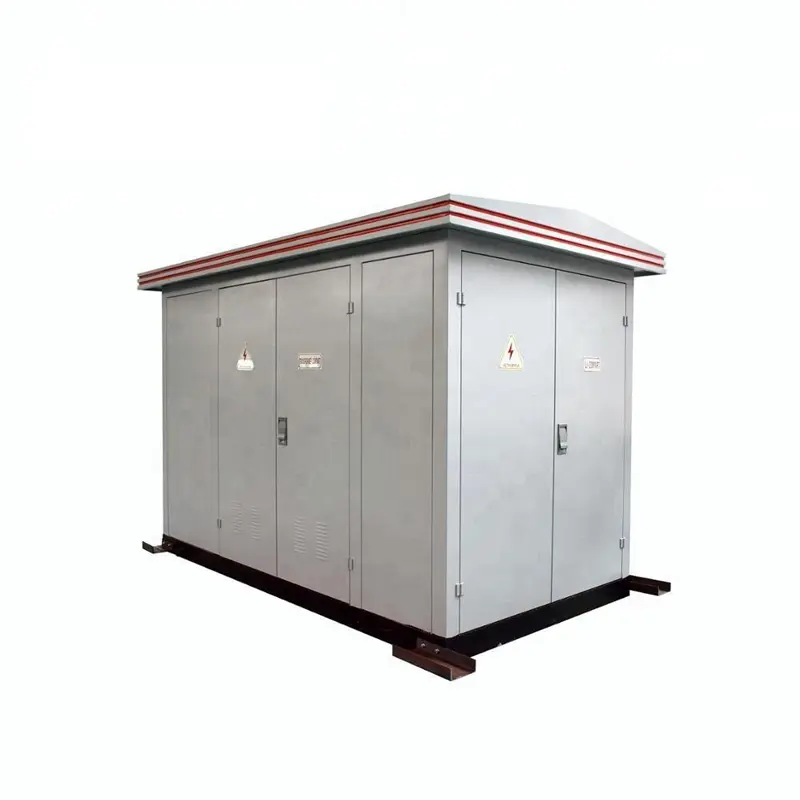
The company offers oil immersed transformers, dry-type transformers, electrical substations, switchgear, and related electrical equipment. Its 4000 KVA Three Phase Oil Immersed Transformer is designed for customers seeking a high-capacity three-phase power distribution solution.
For international projects, buyers can discuss primary and secondary voltage requirements, cooling arrangements, winding materials, technical specifications, accessories, and testing arrangements with the SYHF team. Final configuration and delivery conditions should be confirmed through a project-specific technical quotation.
Learn more about the product here: 4000 KVA Three Phase Oil Immersed Transformer – SYHF.
11 · Frequently Asked Questions
Frequently Asked Questions About 4000 KVA Three Phase Oil Immersed Transformers
1. What does 4000 kVA mean in a transformer?
It refers to the transformer's rated apparent power capacity of 4,000 kilovolt-amperes. The actual active power available in kilowatts depends on the load power factor. At a power factor of 0.9, 4,000 kVA corresponds to approximately 3,600 kW.
2. What is the difference between an oil immersed and a dry-type transformer?
An oil immersed transformer uses insulating liquid for dielectric insulation and heat transfer, while a dry-type transformer uses air and solid insulation systems. Their suitability depends on installation conditions, fire safety requirements, environmental factors, and project specifications.
3. What voltage levels are available for a 4000 kVA transformer?
Primary and secondary voltage ratings depend on the electrical network and project requirements. Buyers should provide the incoming supply voltage, required output voltage, frequency, and connection requirements when requesting a quotation.
4. What cooling method is commonly used for oil immersed transformers?
ONAN, meaning Oil Natural Air Natural, is a common cooling arrangement. Other configurations, such as ONAF, use forced air to increase cooling capacity. The appropriate method depends on the transformer design, rated capacity, ambient temperature, and loading requirements.
5. How do you calculate the rated current of a 4000 kVA three-phase transformer?
Use the formula I = S / (√3 × U), where S is apparent power and U is line-to-line voltage. For example, at 11 kV, the approximate rated current is 210 A. The actual value must be calculated using the specified winding voltage.
6. What standards should a 4000 kVA oil immersed transformer follow?
IEC 60076 is a widely used international standard series for power transformers. Depending on the destination market, additional national, regional, utility, or project-specific requirements may apply. Buyers should specify the required standards before ordering.
7. How often should transformer oil be tested?
Testing frequency depends on the transformer's age, loading, operating environment, oil condition, and maintenance strategy. Routine oil analysis and condition-based testing can help identify moisture contamination, insulation deterioration, and possible internal faults.
8. What information is needed to obtain a transformer quotation?
Buyers should provide rated capacity, primary and secondary voltages, frequency, cooling method, vector group, impedance, winding material preference, installation environment, applicable standards, accessories, and expected delivery requirements.
9. Can a 4000 kVA oil immersed transformer be customized?
Yes. Depending on the manufacturer's capabilities, design parameters such as voltage ratio, winding materials, cooling arrangement, tap changer, accessories, enclosure, and monitoring devices can be specified according to project needs.
10. Why choose SYHF (Jiangsu) Electric Co., Ltd.?
SYHF provides transformer and power distribution equipment solutions, including oil immersed transformers and customized electrical equipment. Buyers can contact the company to discuss project requirements, technical configurations, manufacturing arrangements, and quotations for their applications.
Looking for a Reliable 4000 KVA Transformer Supplier?
Choosing the right transformer is essential for stable power distribution, efficient operation, and long-term project reliability. SYHF (Jiangsu) Electric Co., Ltd. provides transformer and electrical distribution equipment solutions for industrial and infrastructure applications.
Whether you are planning a new substation, upgrading an industrial power system, or sourcing a 4000 KVA Three Phase Oil Immersed Transformer for an international project, our team is ready to discuss your technical and commercial requirements.
Share your voltage levels, frequency, cooling requirements, installation conditions, and expected quantity to receive a more suitable product proposal.
Contact Us for a Technical QuotationSYHF (Jiangsu) Electric Co., Ltd. · Transformer Manufacturing & Power Distribution Solutions
Next :
-
Related News
- Which 15000 KVA Oil Immersed Self Cooled Transformer Meets Your Needs?
- How to Select and Apply Gas Load Break Switches for Medium Voltage Distribution Networks?
- How a Circuit Breaker Protect Your Power System?
- SYHF 6300 kVA Three Phase Oil Immersed Transformer Gains Widespread Acclaim in Azerbaijan, Featured on Local Television
- Can Your Electrical Mini Substation Be Installed in Underground Parking?
- Why Choose a Dry Type Transformer?
Leave me a message