How Does a Gas Load Break Switch Work in Power Systems?
A Gas Load Break Switch controls load current and provides switching and isolation functions in medium voltage power distribution systems. Using SF6 gas for insulation and arc extinguishing, it supports reliable switching under specified operating conditions. In this article, SYHF explains its working principle, three-position operation, 11kV technical specifications, remote control functions, and applications in modern distribution networks.
Table of Contents
- How Does a Gas Load Break Switch Work in Power Systems?
- Why Is SF6 Gas Used in Load Break Switches?
- How Does the Switching Process Work?
- Understanding the Three-Position Operating Mechanism
- 11kV Gas Load Break Switch: Technical Specifications
- How Does Remote Control Improve Distribution Automation?
- Main Applications in Medium Voltage Networks
- What Should You Consider When Selecting a Gas Load Break Switch?
- Frequently Asked Questions
How Does a Gas Load Break Switch Work in Power Systems?
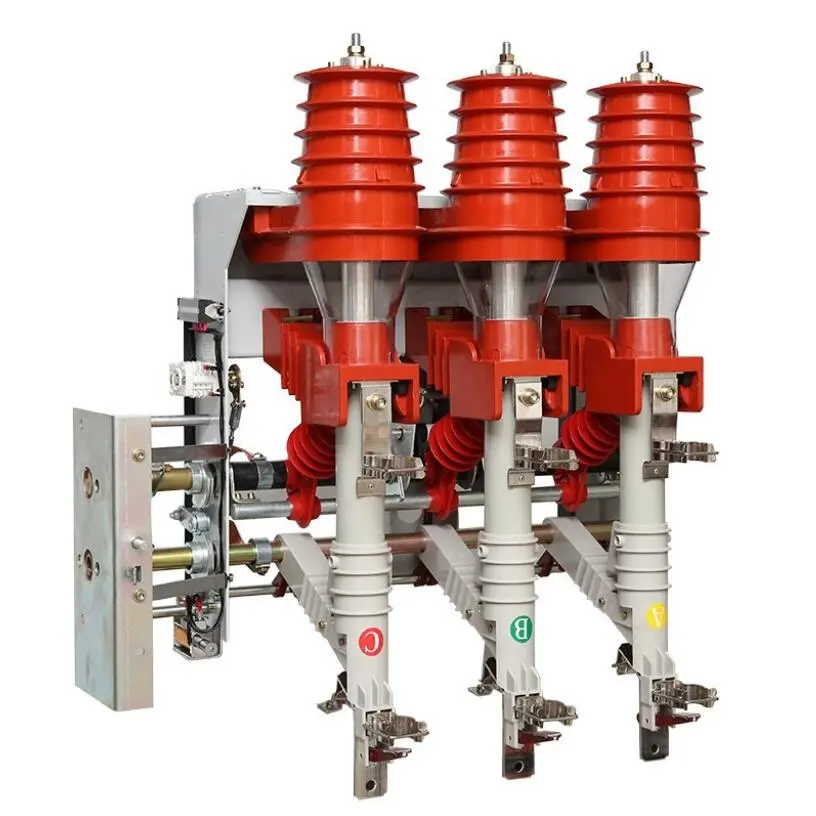
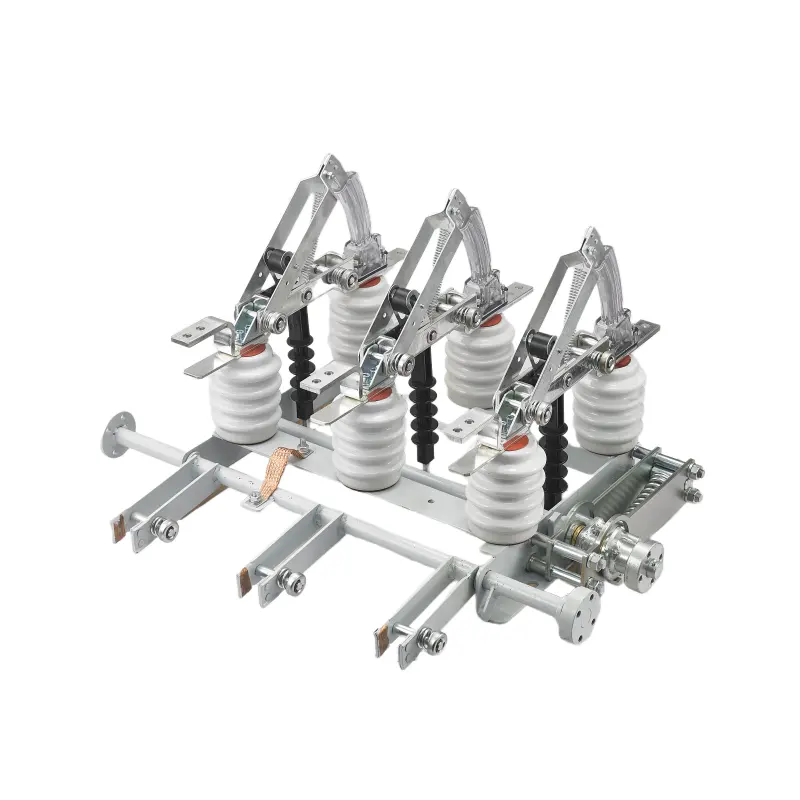
A Gas Load Break Switch is a medium voltage switching device designed to connect, disconnect, and isolate electrical circuits under specified operating conditions. It is commonly used in power distribution networks where operators need to control load current, manage distribution lines, and perform switching operations during routine maintenance.
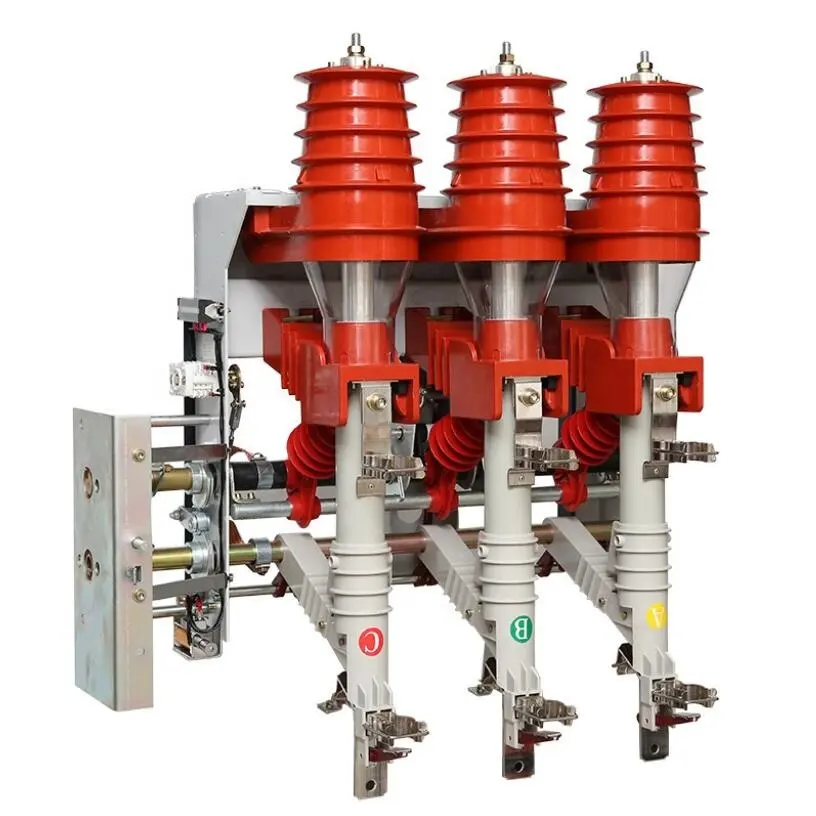
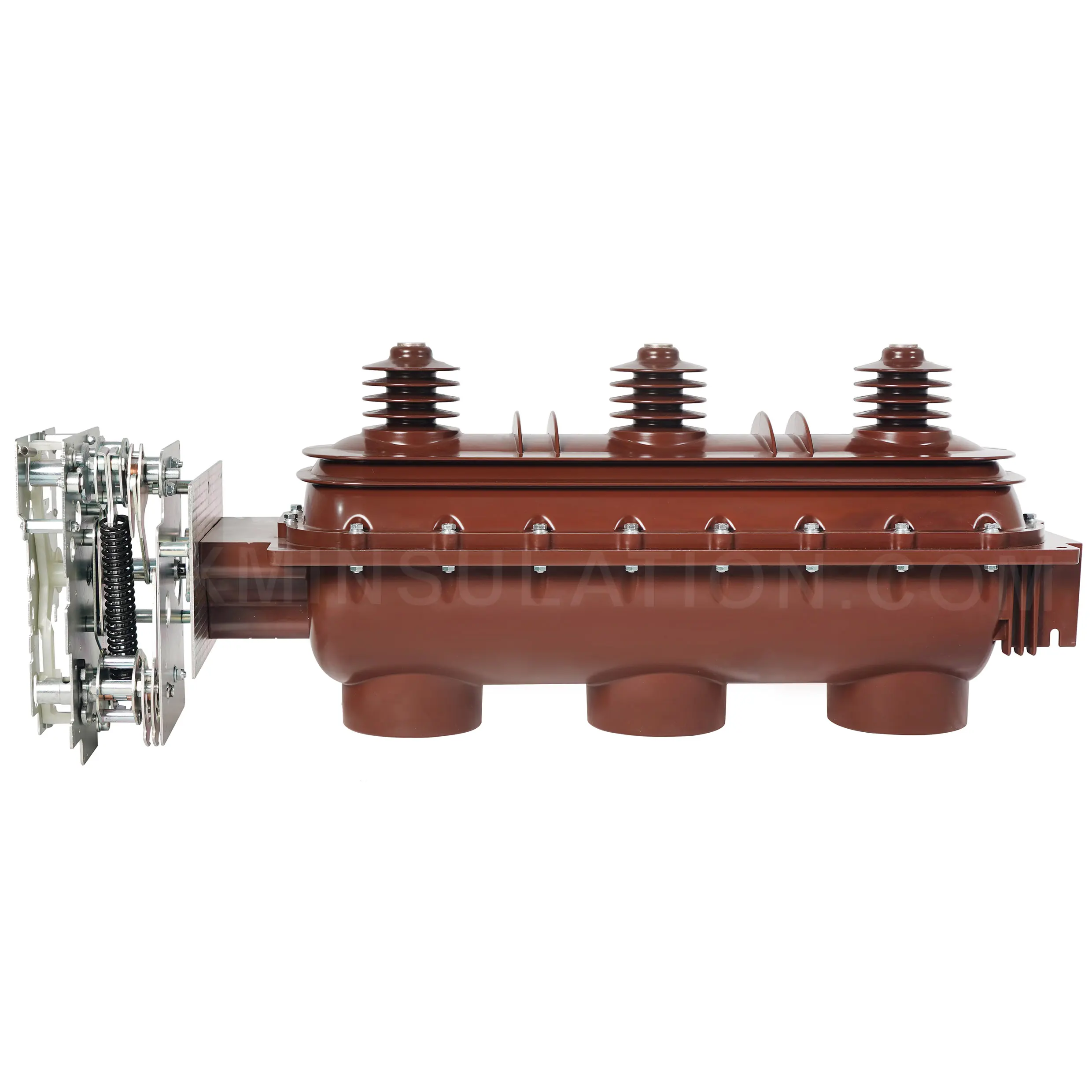
Its working principle is based on the movement of internal electrical contacts within a sealed gas-insulated enclosure. When the switch is in the closed position, the contacts maintain an electrical connection, allowing current to flow through the circuit. When an opening operation is initiated, the moving contacts separate from the fixed contacts. An electrical arc may form between them as the current is interrupted.
SF6 gas provides insulation and arc-extinguishing properties inside the sealed enclosure. Its dielectric characteristics help restore insulation strength after the arc is extinguished, allowing the circuit to remain electrically isolated in the open position.
In practical distribution applications, the operating sequence is controlled by a mechanical mechanism that can be operated manually or electrically. For automated networks, an intelligent controller can receive remote commands and provide operating status information to the distribution control system.
At SYHF (Jiangsu) Electric Co., Ltd., we develop and manufacture transformers and high and low voltage distribution equipment. When designing our Gas Load Break Switch series, we consider switching performance, insulation reliability, operating mechanism design, and environmental adaptability together because these factors directly affect the stability of distribution systems.
Why Is SF6 Gas Used in Load Break Switches?
SF6, or sulfur hexafluoride, is an insulating gas widely used in certain medium voltage electrical switching equipment. Its electrical insulation and arc-quenching characteristics make it suitable for compact gas-insulated switching devices.
When electrical contacts separate during a switching operation, the resulting arc must be extinguished to prevent continued current flow. SF6 gas helps cool and extinguish the arc under the device's designed operating conditions. After the current interruption, the gas also helps restore the dielectric strength between the separated contacts.
For gas-insulated load break switches, the sealed enclosure provides a controlled internal environment. This reduces the influence of external dust, moisture, salt-containing air, and other environmental factors on the internal switching components.
Key Benefits of SF6 Gas Insulation
- Electrical insulation: Helps maintain insulation between live components and the grounded enclosure.
- Arc extinguishing: Supports interruption of specified load currents during switching operations.
- Compact equipment design: Allows electrical components to be arranged within a relatively compact sealed enclosure.
- Environmental isolation: Reduces direct exposure of internal contacts to external contaminants.
- Operational reliability: Supports stable switching performance when the gas system remains within its specified operating conditions.
One point we consider important is gas management. SF6 has a high global warming potential, so equipment installation, maintenance, leakage monitoring, and end-of-life gas recovery should follow applicable environmental regulations. Its insulation performance should not be considered separately from responsible gas handling.
How Does the Switching Process Work?
A Gas Load Break Switch generally performs three important operations: closing the circuit, interrupting normal load current, and establishing an isolated condition. Each operation depends on the coordinated movement of the contacts and operating mechanism.
1. Closing Operation
When the switch receives a closing command, the operating mechanism drives the moving contacts toward the fixed contacts. Once the contacts reach the designed closed position, an electrical connection is established and current can flow through the distribution circuit.
The spring energy storage mechanism helps provide the mechanical force required for fast and consistent switching. This is particularly useful in distribution systems where operating response and repeatability are important.
2. Load Current Interruption
When an opening command is received, the operating mechanism separates the electrical contacts. An arc may develop between the contacts as they move apart. The SF6 gas inside the enclosure helps extinguish the arc and restore insulation strength after current interruption.
The device is designed to interrupt load currents within its rated operating conditions. For inductive or capacitive switching, engineers must also check the applicable utilization category and switching ratings rather than assuming that every load type can be interrupted under the same conditions.
3. Isolation Operation
After the contacts reach the open position, the switch establishes an isolation condition according to its design. This allows the relevant circuit section to be separated from the power supply for maintenance or switching operations.
Where the product has a three-position mechanism, the grounding position provides an additional operating state for connecting the isolated circuit section to earth. The correct interlocking sequence and safety procedures must be followed before maintenance begins.
4. Fault-Related Switching
In distribution networks, abnormal current conditions may occur because of equipment failures or line faults. A load break switch may have a specified fault-making capability, meaning it can close onto a fault current under defined conditions. However, this does not automatically mean it can interrupt short-circuit fault current.
Short-circuit protection and fault interruption generally require a properly coordinated circuit breaker, fuse, or other protective device. The protection arrangement must be designed according to the switch's rated making capacity and the distribution system's fault level.
Understanding the Three-Position Operating Mechanism
One useful feature of certain Gas Load Break Switch designs is the three-position operating arrangement. Instead of providing only ON and OFF states, the mechanism supports connection, disconnection, and grounding positions.
| Operating Position | Contact Condition | Main Purpose |
|---|---|---|
| ON / Connected | Main contacts are connected. | Allows current to flow through the circuit under rated conditions. |
| OFF / Disconnected | Main contacts are separated. | Provides electrical isolation between circuit sections. |
| Grounded / Earthed | The designated circuit section is connected to earth. | Provides a grounding condition for maintenance safety. |
For distribution equipment maintenance, the grounding position is especially important. After the relevant circuit has been isolated and the absence of voltage has been verified, grounding can help protect personnel against unexpected energization or induced voltage, provided the equipment and operating sequence are designed for that function.
Mechanical and electrical interlocking arrangements also help prevent incorrect switching sequences. These features should be evaluated when selecting equipment for ring main units, distribution cabinets, and other medium voltage installations.
11kV Gas Load Break Switch: Technical Specifications
SYHF's 11kV Gas Load Break Switch is designed for medium voltage distribution networks that require reliable switching and control. Its rated current and operating frequency make it suitable for specified distribution applications, while the optional electric operating arrangement supports distribution automation projects.
| Technical Parameter | Product Specification |
|---|---|
| Product Name | Gas Load Break Switch |
| Rated Voltage | 11kV |
| Rated Current | 630A |
| Rated Frequency | 50/60Hz |
| Insulating Medium | SF6 Gas |
| Operating Method | Manual or Electric Operation |
| Control Position | Local / Remote |
| Operating Mechanism | Spring Energy Storage Mechanism |
| Switching Operation Time | Less Than 1000ms (as specified) |
| Maximum Ambient Temperature | +85°C (as specified) |
| Minimum Ambient Temperature | -45°C (as specified) |
| Monthly Average Relative Humidity | 95% |
| Daily Average Relative Humidity | 90% |
| Installation Altitude | Up to 2500m or higher, subject to design confirmation |
The 630A rated current is an important reference when matching the switch to the distribution circuit. However, rated current alone does not determine whether a particular model is suitable for every installation. Rated insulation level, power-frequency withstand voltage, lightning impulse withstand voltage, short-time withstand current, fault-making capacity, and utilization category should also be checked against the project's technical requirements.
The stated operating time of less than 1000ms reflects the product information provided by SYHF. For engineering applications, the exact timing definition, including whether it refers to opening, closing, or a complete switching sequence, should be confirmed in the model-specific technical datasheet.
How Does Remote Control Improve Distribution Automation?
Traditional distribution networks often rely on operators visiting switching locations to perform manual operations. This approach can increase response time, particularly when equipment is installed in remote areas or when several switching points need to be coordinated.
An electrically operated Gas Load Break Switch can be integrated with an intelligent controller to support remote switching and distribution automation. Operators can send opening or closing commands from a control center, while the control system can monitor available equipment status and operating signals.
Local and Remote Operating Modes
SYHF's product information identifies both local and remote operating positions. Local operation is useful during commissioning, inspection, and maintenance, while remote operation helps distribution operators manage switching points without traveling to each installation site.
Faster Switching Response
The spring energy storage operating mechanism provides the mechanical energy needed for fast switching. According to the supplied product information, the switching operation time is less than 1000ms. A fast and repeatable operating mechanism can support coordinated distribution operations, although actual system response also depends on controller communication and command processing.
Integration with Distribution Automation Systems
When connected to a suitable intelligent controller, the switch can become part of a wider distribution automation system. Depending on the controller configuration, the system may support:
- Remote opening and closing commands.
- Local and remote operation selection.
- Switch position monitoring.
- Operating status feedback.
- Integration with distribution network monitoring systems.
For utilities and industrial power users, the main advantage is not simply remote switching. It is the ability to coordinate multiple switching points, improve operational visibility, and reduce unnecessary field visits.
Main Applications of Gas Load Break Switches in Medium Voltage Networks
Gas Load Break Switches are commonly used in medium voltage distribution systems where compact construction, reliable insulation, and controlled switching are required. Their applications vary according to network configuration and operating requirements.
1. Urban and Rural Distribution Networks
In urban and rural power distribution networks, load break switches help control feeder sections and support switching operations during maintenance or network reconfiguration. Their sealed gas-insulated structure can be useful in installations exposed to dust, moisture, and changing weather conditions.
2. Ring Main Units and Distribution Cabinets
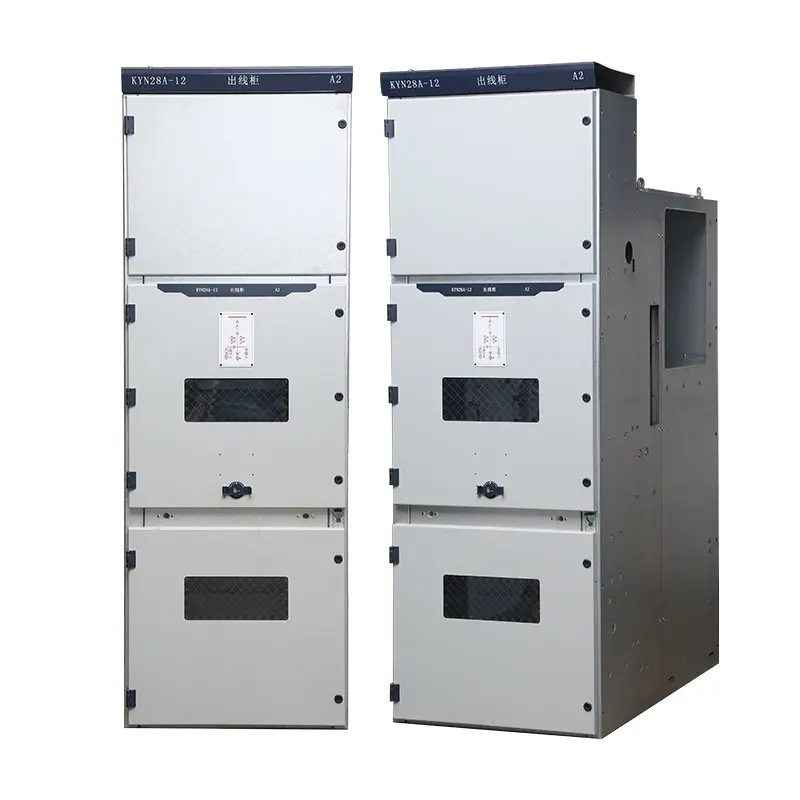
Ring main units (RMUs) are widely used in medium voltage distribution systems to manage power supply through ring and radial network arrangements. Gas-insulated load break switches can provide circuit switching and isolation functions within these systems.
When used in an RMU, the switch configuration must match the rated voltage, current, insulation level, and fault coordination requirements of the complete assembly.
3. Industrial Power Distribution
Factories and industrial facilities often require dependable switching equipment for transformers, distribution feeders, and electrical equipment. A gas-insulated load break switch can help manage normal load switching and isolate selected circuit sections for planned maintenance.
4. Bypass Switching Applications
In certain distribution line projects, a bypass gas load break switch is used to provide an alternative electrical connection during maintenance or construction. This arrangement can help maintain power supply to downstream users while a particular distribution cabinet or line section is being serviced.
The bypass configuration must be designed with appropriate switching interlocks and protection coordination. It should not be assumed that installing a bypass switch alone guarantees uninterrupted power supply under all operating conditions.
How Does a Gas Load Break Switch Perform in Harsh Environments?
Distribution equipment may be installed in coastal regions, industrial areas, mountainous locations, and regions with severe seasonal temperature changes. These conditions can affect insulation, enclosure integrity, mechanical movement, and long-term operating reliability.
SYHF's product information specifies the following service conditions for its Gas Load Break Switch series:
| Environmental Factor | Specified Condition | Engineering Consideration |
|---|---|---|
| Air Temperature | -45°C to +85°C | Operating mechanism and materials must be suitable for the specified temperature range. |
| Monthly Average Humidity | 95% | Sealed enclosure integrity and condensation control are important. |
| Daily Average Humidity | 90% | Insulation performance should remain stable under humid conditions. |
| Installation Altitude | 2500m or higher, subject to confirmation | Insulation coordination and derating requirements should be evaluated. |
| Atmospheric Conditions | No significant corrosive or flammable gas pollution | Installation conditions should be checked against the product's environmental limits. |
| Mechanical Conditions | No frequent severe vibration | Mounting strength and operating mechanism stability must be maintained. |
For coastal projects, salt-containing air can accelerate corrosion on exposed metal structures and external connections. In industrial environments, chemical pollutants may affect materials and sealing components. Although a sealed gas enclosure helps protect internal switching parts, the complete installation still requires appropriate corrosion protection and routine inspection.
High-altitude applications also deserve careful review. Air insulation performance changes with altitude, so the specified insulation level and any necessary design adjustments should be confirmed before installation.
What Should You Consider When Selecting a Gas Load Break Switch?
When selecting a Gas Load Break Switch for a distribution project, we recommend reviewing the actual network conditions instead of choosing equipment based only on the rated voltage and current.
| Selection Factor | What to Confirm |
|---|---|
| Rated Voltage | Confirm that the switch matches the system's nominal and maximum operating voltage. |
| Rated Current | Check whether the 630A rating or another current specification matches the circuit requirements. |
| Insulation Level | Review power-frequency and lightning impulse withstand voltage requirements. |
| Short-Circuit Performance | Verify short-time withstand current and fault-making capacity separately. |
| Operating Mechanism | Determine whether manual or electric operation is required. |
| Control System | Check controller compatibility, communication interfaces, and remote monitoring requirements. |
| Environmental Conditions | Evaluate temperature, humidity, altitude, pollution, and vibration. |
| Installation Configuration | Confirm whether the switch will be used in an RMU, distribution cabinet, or bypass arrangement. |
For example, an 11kV distribution project with a rated current requirement of 630A may be compatible with the SYHF product specification. However, if the installation is located at high altitude or requires remote control, the insulation coordination and controller configuration should be confirmed separately.
As a professional manufacturer of transformers and high and low voltage distribution equipment, SYHF (Jiangsu) Electric Co., Ltd. provides design solutions for customers with different project requirements. Our modern manufacturing facility covers more than 50,000 square meters, including over 20,000 square meters of production workshops. This manufacturing and engineering foundation supports our work in developing distribution equipment for different application environments.
Frequently Asked Questions
1. What is the main function of a Gas Load Break Switch?
A Gas Load Break Switch is mainly used to connect and disconnect electrical circuits under specified load conditions and provide an isolation function. It is commonly installed in medium voltage distribution networks, ring main units, and distribution cabinets.
2. How does SF6 gas extinguish the electrical arc?
When the contacts separate, an electrical arc may form between them. SF6 gas helps cool and extinguish the arc, while its dielectric properties help restore insulation strength after current interruption. The actual interruption capability depends on the switch's rated operating conditions and design.
3. What are the main specifications of an 11kV Gas Load Break Switch?
According to SYHF's supplied product information, the 11kV model has a rated voltage of 11kV, rated current of 630A, and rated frequency of 50/60Hz. It supports manual or electric operation and can be configured for local or remote control.
4. Can a Gas Load Break Switch interrupt short-circuit current?
A standard load break switch is designed to interrupt specified load currents, not necessarily short-circuit fault currents. It may have a defined fault-making capacity, but this is different from fault-current breaking capacity. A coordinated circuit breaker or fuse is generally required for short-circuit protection.
5. What is the difference between manual and electric Gas Load Break Switches?
A manual model is operated directly by an operator using a mechanical operating handle. An electric model uses an electric operating mechanism and can support remote control through a suitable intelligent controller. The choice depends on installation accessibility and distribution automation requirements.
6. What is a three-position Gas Load Break Switch?
A three-position switch provides connected, disconnected, and grounded positions. This arrangement supports normal circuit operation, electrical isolation, and grounding functions for maintenance, subject to the equipment's design and interlocking procedures.
7. Can the SYHF Gas Load Break Switch operate in extremely cold or hot environments?
The supplied product specifications indicate an ambient temperature range from -45°C to +85°C. This range should be confirmed against the specific model's technical documentation and the complete installation conditions before project approval.
8. Is a Gas Load Break Switch suitable for remote distribution automation?
Yes. An electrically operated model equipped with a compatible intelligent controller can support remote opening and closing commands, local and remote operating modes, and equipment status monitoring. Actual functions depend on the controller and communication configuration.
9. What maintenance is required for SF6 gas-insulated switching equipment?
Maintenance requirements depend on the manufacturer's instructions and applicable regulations. Typical checks include gas pressure or density monitoring where applicable, leakage inspection, operating mechanism condition, electrical connections, interlocking functions, and enclosure integrity. SF6 handling and recovery must be performed by qualified personnel.
Conclusion
A Gas Load Break Switch plays an important role in medium voltage power distribution by providing controlled load switching, circuit isolation, and, in appropriately designed models, grounding functions. Its performance depends on the coordination of SF6 gas insulation, contact movement, the operating mechanism, and the electrical control system.
For an 11kV distribution network, parameters such as 630A rated current, 50/60Hz frequency, switching response, environmental conditions, and remote control capability all need to be evaluated together. Correct equipment selection also requires checking insulation levels and fault coordination rather than relying on voltage and current ratings alone.
At SYHF (Jiangsu) Electric Co., Ltd., we integrate research and development, production, and sales to provide transformers and high and low voltage distribution equipment. With a modern facility covering more than 50,000 square meters, including over 20,000 square meters of production workshops, we can provide design solutions based on different customer requirements. Our focus is on developing practical electrical equipment solutions for reliable power distribution and automation applications.
Related News
- Why Is an Oil Immersed Distribution Transformer Essential for Reliable Power Distribution?
- How Does a 4000 KVA Three Phase Oil Immersed Transformer Work?
- Which 15000 KVA Oil Immersed Self Cooled Transformer Meets Your Needs?
- How to Select and Apply Gas Load Break Switches for Medium Voltage Distribution Networks?
- How a Circuit Breaker Protect Your Power System?
- SYHF 6300 kVA Three Phase Oil Immersed Transformer Gains Widespread Acclaim in Azerbaijan, Featured on Local Television
Leave me a message

News Recommendations