Why Is an Oil Immersed Distribution Transformer Essential for Reliable Power Distribution?
Article Summary
An oil immersed distribution transformer plays an important role in delivering electricity safely and efficiently from medium-voltage networks to end users. By combining electrical insulation with effective heat dissipation, this transformer design supports stable operation in utility networks, industrial facilities, commercial buildings, and infrastructure projects.
This guide explores its working principle, internal structure, cooling methods, major advantages, selection criteria, installation considerations, and maintenance requirements. It also explains how project engineers and procurement professionals can evaluate transformer specifications to achieve dependable performance and long-term operating value.

Table of Contents
- Understanding an Oil Immersed Distribution Transformer
- How Does an Oil Immersed Distribution Transformer Work?
- What Are the Main Components?
- Why Do Industries Choose Oil Immersed Distribution Transformers?
- Which Cooling Methods Are Commonly Used?
- Oil Immersed vs. Dry Type Distribution Transformers
- How to Select the Right Transformer for Your Project
- Installation Factors That Affect Transformer Performance
- Maintenance Practices for Long-Term Reliability
- Common Problems and Practical Solutions
- Frequently Asked Questions
- Conclusion: Building a More Reliable Power Distribution System
1. Understanding an Oil Immersed Distribution Transformer
Electricity generated at power stations is transmitted over long distances at high voltages to reduce transmission losses. However, factories, commercial buildings, residential communities, and other end users generally require lower operating voltages. This is where a distribution transformer becomes essential.
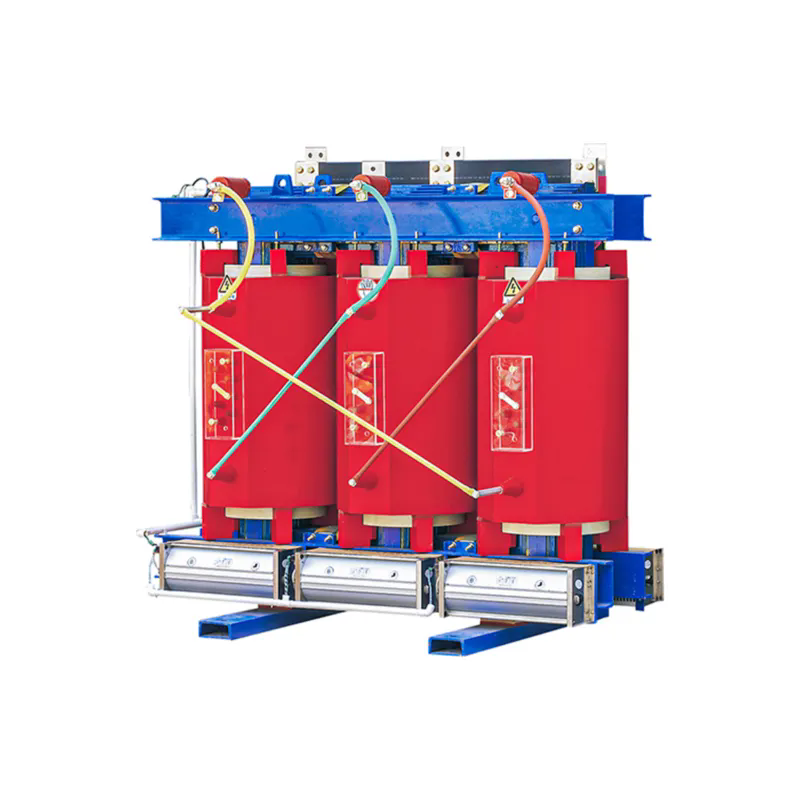
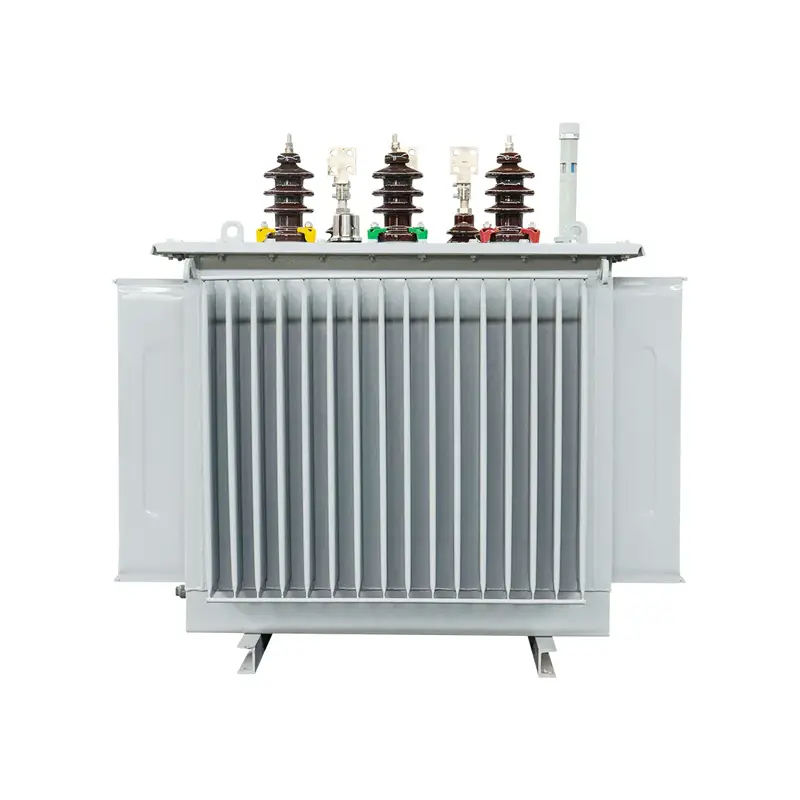
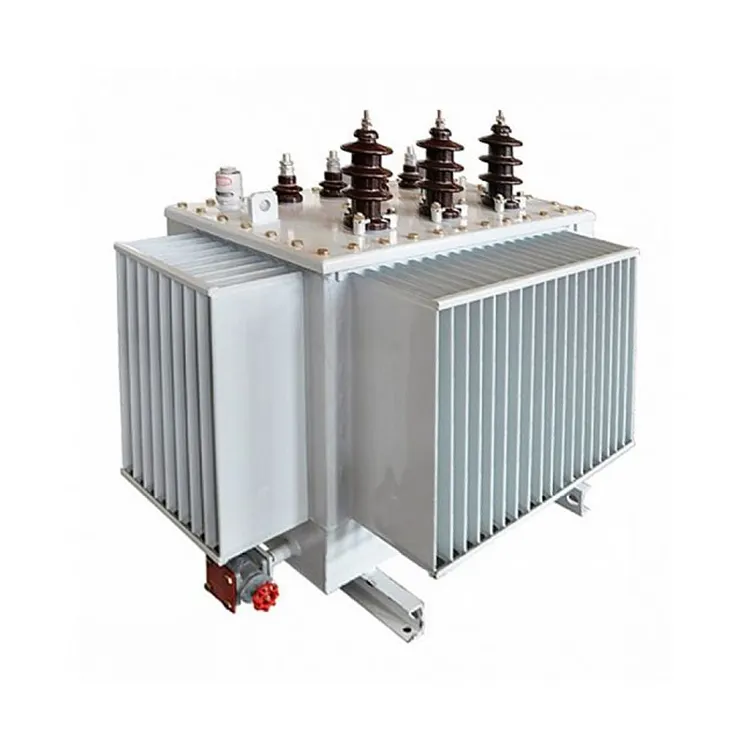
An oil immersed distribution transformer is an electrical device that uses insulating liquid, commonly mineral oil, to provide insulation and transfer heat away from its internal components. Its core and windings are housed inside an oil-filled tank, creating a compact and effective arrangement for voltage conversion and thermal management.
Depending on the distribution network, the transformer can reduce medium voltage to a suitable low-voltage level for downstream electrical equipment. Typical applications include:
Electrical Utilities Supporting local substations and electricity distribution networks.
Industrial Facilities Supplying stable power to production lines, motors, and processing equipment.
Commercial Buildings Serving shopping centers, offices, hotels, and business complexes.
Infrastructure Projects Providing electricity for transportation, construction, and public facilities.
Its established design, practical cooling arrangement, and wide range of available ratings make it a widely used solution for outdoor power distribution projects.
2. How Does an Oil Immersed Distribution Transformer Work?
The operation of an oil immersed distribution transformer is based on electromagnetic induction. Its main objective is to transfer electrical energy between two windings while changing the voltage level without changing the supply frequency.
2.1 The Electromagnetic Transformation Process
When alternating current enters the primary winding, it produces a changing magnetic flux in the transformer core. This magnetic flux links with the secondary winding and induces an alternating voltage in it.
The relationship between the primary and secondary voltages is mainly determined by the turns ratio of the two windings:
Transformer Voltage Ratio:
V₁ / V₂ ≈ N₁ / N₂
V₁ and V₂ represent the primary and secondary voltages, while N₁ and N₂ represent the corresponding winding turns. The actual operating characteristics also depend on transformer impedance, load, and system conditions.
For a step-down distribution transformer, the primary winding has more turns than the secondary winding. This allows the transformer to convert incoming medium voltage into a lower voltage suitable for electrical distribution.
2.2 The Dual Role of Insulating Oil
Insulating oil is one of the most important elements of this transformer design. It performs two essential functions simultaneously.
- Electrical insulation: The oil helps maintain dielectric separation between energized components and other conductive or grounded parts inside the tank.
- Heat transfer: It absorbs heat generated by the core and windings and transfers that heat toward the tank walls or radiator surfaces.
Suitable oil quality is essential for maintaining insulation performance. Moisture, oxidation products, contamination, and prolonged exposure to high temperatures can gradually affect its electrical and thermal properties.
2.3 The Cooling Circulation Process
During operation, electrical losses generate heat in the windings and magnetic core. The surrounding oil absorbs this heat, becomes less dense, and moves upward. Cooler oil then moves downward to replace it, forming a natural circulation loop.
When the hot oil reaches the radiator or cooling surface, heat is transferred to the surrounding air. The cooled oil subsequently returns to the lower part of the tank.
This continuous process helps control internal temperature and reduce thermal stress on insulation materials. For larger or more demanding applications, additional cooling equipment may be used to improve heat dissipation.
3. What Are the Main Components of an Oil Immersed Distribution Transformer?
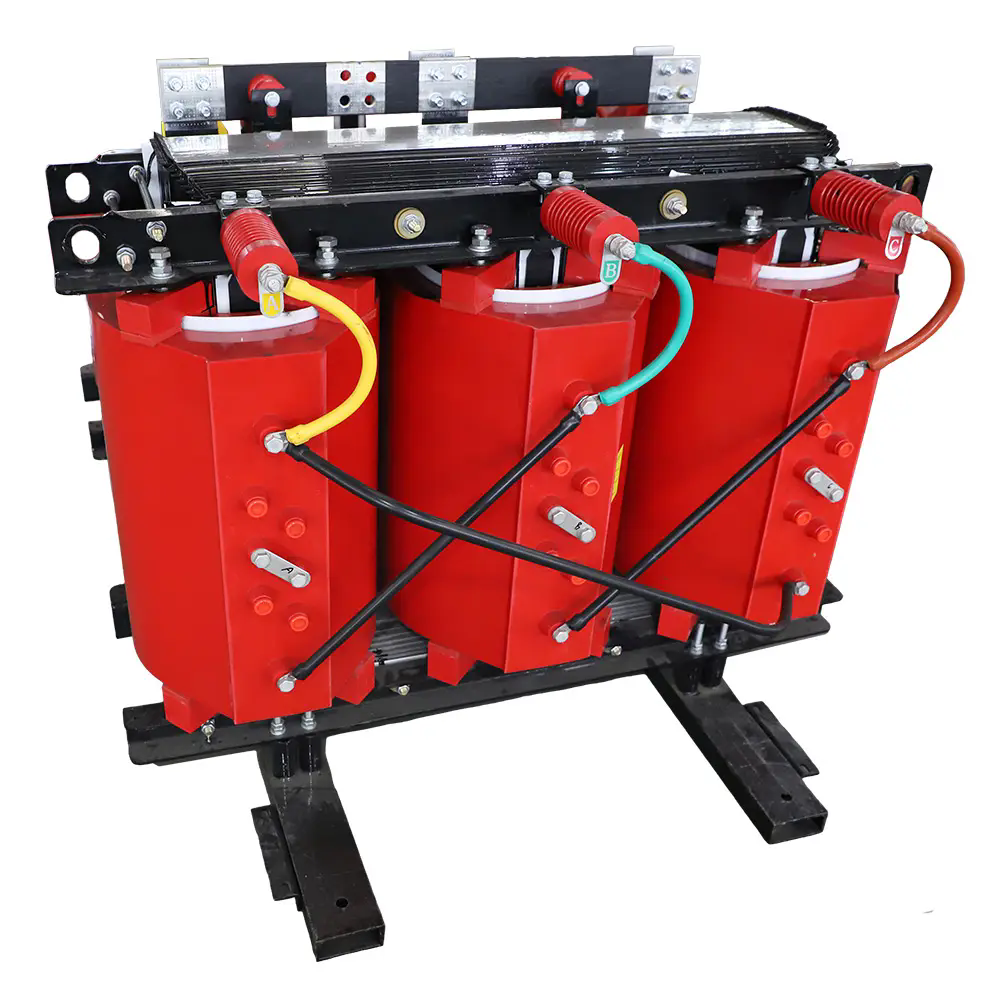
Understanding the major components helps buyers evaluate product quality, installation requirements, and long-term maintenance needs. Although configurations differ between manufacturers, most oil immersed distribution transformers contain the following elements.
| Component | Main Function | What Buyers Should Check |
|---|---|---|
| Magnetic Core | Provides a low-reluctance path for magnetic flux. | Core material, construction, and no-load losses. |
| Primary Winding | Receives electrical energy from the incoming supply. | Voltage rating, conductor material, and insulation. |
| Secondary Winding | Delivers transformed voltage to the load. | Output voltage, current capacity, and connection arrangement. |
| Insulating Oil | Provides dielectric insulation and heat transfer. | Oil type, dielectric properties, and compatibility. |
| Transformer Tank | Houses and protects the active parts and insulating oil. | Mechanical strength, sealing, and corrosion protection. |
| Radiators | Increase the heat dissipation surface. | Cooling capacity and structural condition. |
| Bushings | Provide insulated electrical connections through the tank. | Voltage rating, creepage distance, and condition. |
| Protection Devices | Help detect or respond to abnormal operating conditions. | Protection configuration and project requirements. |
Important Accessories for Operational Safety
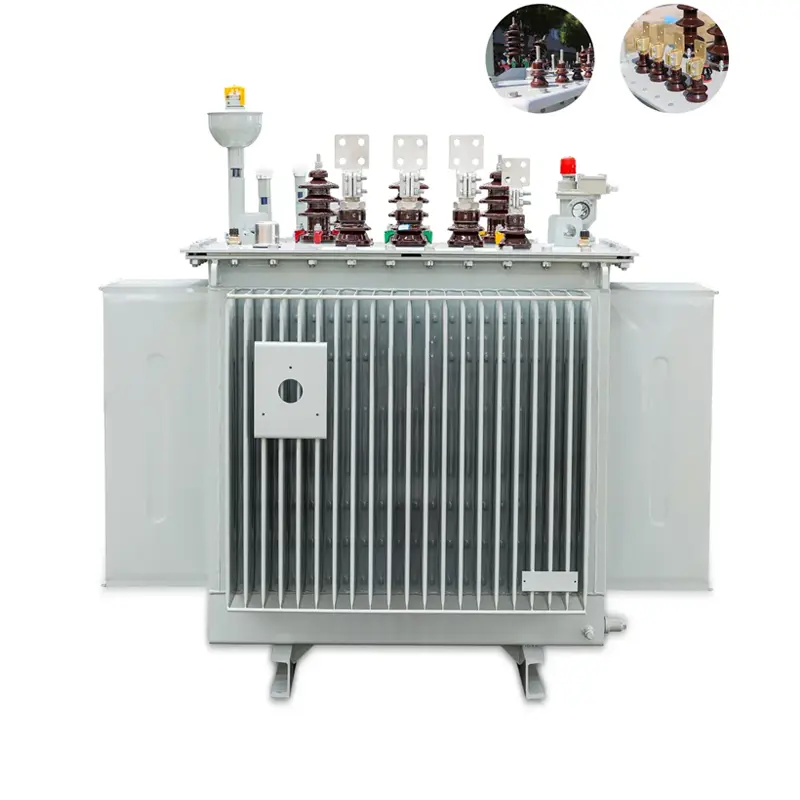
Depending on the transformer design, additional accessories may include:
- Oil temperature indicator: Monitors oil temperature during operation.
- Oil level indicator: Shows whether the insulating liquid remains within the required level.
- Pressure relief device: Helps release excessive internal pressure when specified by the design.
- Buchholz relay: Used in applicable conservator-type transformers to detect certain internal gas accumulation and oil-flow abnormalities.
- Breather: Helps reduce moisture entering the conservator through breathing air.
- Drain and sampling valves: Support oil sampling, draining, and maintenance procedures.
Not every transformer requires every accessory. The correct configuration should be determined by the transformer structure, rated capacity, protection philosophy, and applicable project specifications.
4. Why Do Industries Choose Oil Immersed Distribution Transformers?
Choosing a transformer is not simply about converting voltage. Buyers must also consider operating costs, equipment reliability, environmental conditions, installation arrangements, and maintenance resources.
4.1 Effective Heat Dissipation
Insulating oil provides an efficient medium for transferring heat away from the core and windings. Combined with an appropriately designed tank and radiator system, it helps maintain suitable operating temperatures under specified load conditions.
4.2 Mature and Established Technology
Oil immersed transformer technology has been used in electrical distribution systems for many decades. Its established engineering principles, manufacturing processes, and maintenance practices make it a familiar option for utilities, contractors, and industrial operators.
4.3 Flexible Capacity and Configuration
Manufacturers can provide different voltage levels, rated capacities, winding arrangements, tank structures, and accessory configurations. This flexibility allows project teams to specify equipment according to network requirements rather than relying on a single standard configuration.
4.4 Practical Outdoor Applications
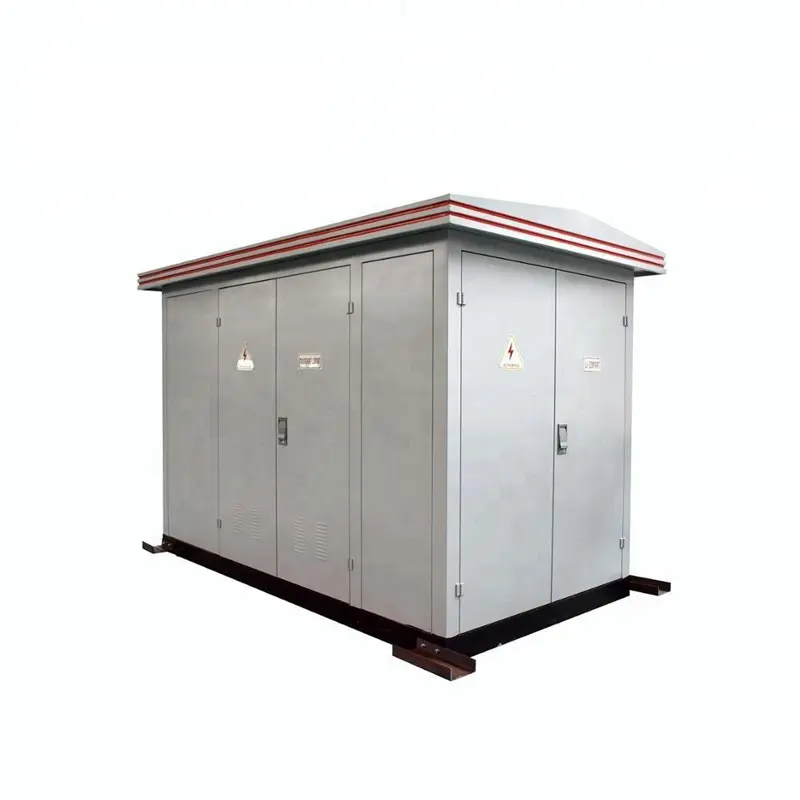
Oil immersed distribution transformers are commonly used in outdoor substations, utility networks, and industrial power distribution systems. Their enclosed tank construction protects internal electrical components from direct exposure to the surrounding environment.
4.5 Long-Term Operating Value
Transformer purchasing decisions should consider more than the initial equipment price. Core losses, load losses, maintenance expenses, expected service conditions, and replacement risks all contribute to the total cost of ownership.
Procurement Insight:
A transformer with a lower purchase price is not automatically the most economical option. Comparing guaranteed losses, technical compliance, manufacturing quality, and maintenance requirements can help buyers make a more informed investment decision.
5. Which Cooling Methods Are Commonly Used?
Cooling performance directly influences the transformer's thermal condition and permissible operating load. Oil immersed distribution transformers commonly use natural oil circulation and natural air cooling, while some designs incorporate forced-air or other cooling arrangements.
| Cooling Method | Operating Principle | Typical Characteristics |
|---|---|---|
| ONAN | Oil Natural, Air Natural | Oil and surrounding air circulate naturally without cooling pumps or fans. |
| ONAF | Oil Natural, Air Forced | Natural oil circulation is combined with fans to improve external heat dissipation. |
| OFAF | Oil Forced, Air Forced | Oil pumps and fans support forced circulation and heat exchange. |
ONAN cooling is widely used in distribution transformer applications because of its relatively simple structure and low dependence on auxiliary equipment. The oil moves through the tank and radiators by natural convection, while surrounding air removes heat from the radiator surfaces.
ONAF and OFAF arrangements may be considered when project capacity, thermal requirements, or operating conditions justify additional cooling equipment. The appropriate cooling method must be confirmed against the manufacturer's design and rated performance.
6. Oil Immersed vs. Dry Type Distribution Transformers
Both oil immersed and dry type transformers are widely used in power distribution. However, they have different insulation structures, cooling characteristics, installation considerations, and maintenance requirements.
| Comparison Factor | Oil Immersed Transformer | Dry Type Transformer |
|---|---|---|
| Insulation Medium | Insulating liquid | Solid insulation and air |
| Cooling | Oil-based heat transfer with air or other external cooling | Air-based cooling, natural or forced |
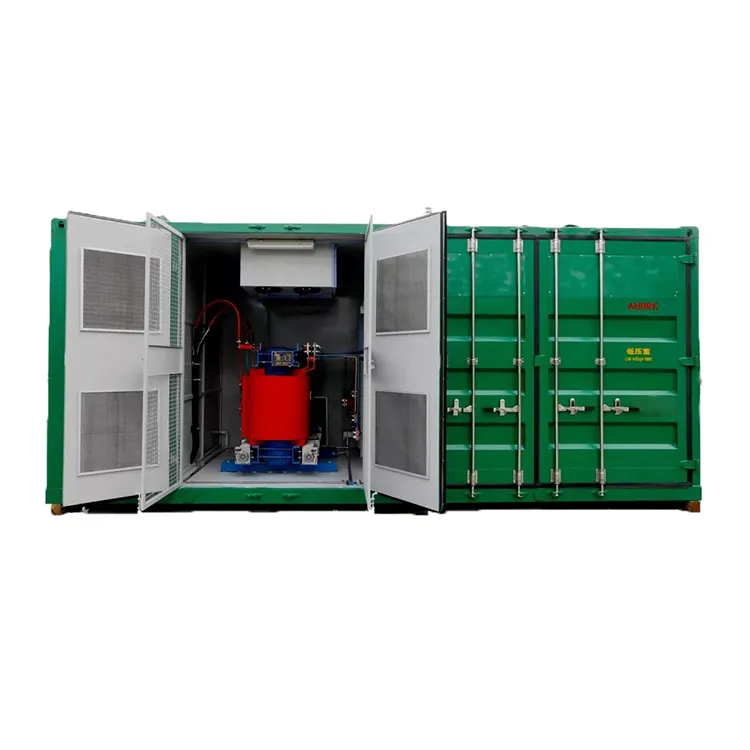
| Typical Installation | Outdoor substations and utility distribution | Indoor electrical rooms and selected outdoor installations |
| Fire Considerations | Requires assessment of liquid fire properties and containment measures | No insulating oil, generally reducing liquid-related fire risks |
| Maintenance | Includes oil condition and leakage inspections where applicable | Focuses on cleanliness, insulation, ventilation, and connections |
| Environmental Factors | Requires attention to oil leakage and liquid management | Requires attention to dust, humidity, and ventilation |
There is no universally superior solution. Oil immersed transformers may be suitable for many outdoor utility and industrial projects, while dry type transformers can be advantageous in locations where liquid containment or specific indoor fire-safety requirements are important.
Before making a decision, buyers should review local electrical codes, building requirements, fire protection standards, installation space, and the total lifecycle cost.
7. How to Select the Right Transformer for Your Project
Incorrect transformer specifications can lead to unnecessary investment, inadequate capacity, overheating, compatibility problems, or costly project delays. A systematic selection process helps procurement teams reduce these risks.
7.1 Determine the Required Rated Capacity
Start by calculating the expected maximum load, including motors, production machinery, HVAC systems, lighting, and other electrical equipment.
For three-phase systems, apparent power can be estimated using:
S = √3 × V × I / 1000
Where S is apparent power in kVA, V is line-to-line voltage in volts, and I is line current in amperes. Final transformer sizing should also account for power factor, demand diversity, motor starting, harmonic loads, expansion plans, and operating conditions.
7.2 Confirm Primary and Secondary Voltage
Verify the incoming network voltage and the required output voltage. Also confirm the system frequency, number of phases, neutral arrangement, and winding connection group.
7.3 Evaluate Energy Losses
Transformer losses generally include no-load losses and load losses. No-load losses occur whenever the transformer is energized, while load losses vary with current and operating conditions.
For equipment expected to operate continuously, comparing guaranteed loss values can help identify long-term energy-saving opportunities.
7.4 Check Impedance and Short-Circuit Requirements
Transformer impedance affects voltage regulation and the available short-circuit current. It must be coordinated with the distribution system and downstream protective devices.
7.5 Select Suitable Winding Materials
Copper and aluminium are both used in transformer windings. The choice should be evaluated through electrical performance, thermal design, mechanical strength, dimensions, and total project cost rather than material price alone.
7.6 Confirm Environmental and Site Conditions
Ambient temperature, altitude, humidity, pollution, seismic conditions, and installation location can influence transformer design. Special service conditions should be clearly stated before manufacturing.
7.7 Verify Applicable Standards and Testing
IEC 60076 is an important international standards series covering power transformers. Relevant requirements may include general specifications, temperature rise, insulation levels, dielectric testing, and short-circuit withstand capability.
Buyers should request the applicable technical documents and routine test reports. Additional type or special tests may be necessary depending on contractual requirements and project specifications.
Technical Purchasing Checklist
- Rated capacity and voltage ratio
- Single-phase or three-phase configuration
- Frequency and vector group
- Cooling method and insulation liquid
- Winding material and connection arrangement
- Impedance voltage and loss guarantees
- Insulation level and temperature-rise limits
- Tank design, accessories, and protection devices
- Applicable standards and required test documents
- Transportation dimensions and installation conditions
8. Installation Factors That Affect Transformer Performance
Even a well-designed transformer may experience operational problems if installation conditions are unsuitable. Proper site preparation and commissioning are therefore essential.
Foundation and Positioning
The foundation should support the equipment's total weight and maintain stable positioning. Adequate space should be provided around the transformer for inspection, cooling, cable connections, and maintenance access.
Ventilation and Heat Dissipation
Radiators and cooling surfaces should not be blocked by walls, stored materials, or nearby equipment. Sufficient airflow helps maintain the intended cooling performance.
Electrical Connections and Grounding
High-voltage and low-voltage connections must match the approved electrical drawings. Grounding arrangements should comply with applicable local regulations and project requirements.
Fire and Environmental Protection
For oil-filled equipment, the installation design should evaluate fire separation, oil containment, drainage, and environmental protection measures according to local codes and the type and quantity of insulating liquid.
Pre-Energization Inspection
Before energizing, qualified personnel should verify mechanical installation, electrical connections, grounding, protection settings, oil level, and relevant test results. Initial energization should follow the manufacturer's commissioning instructions and approved site procedures.
9. Maintenance Practices for Long-Term Reliability
Regular maintenance helps identify developing problems before they result in equipment failure. Although maintenance intervals depend on transformer design, operating conditions, and manufacturer recommendations, a structured inspection program is essential.
9.1 Inspect Oil Level and Leakage
Check the oil level indicator where fitted and examine the tank, valves, radiators, and seals for leakage. Any unexplained oil-level reduction should be investigated promptly.
9.2 Monitor Temperature
Record oil temperature and investigate abnormal increases. High temperature may be associated with excessive loading, poor ventilation, cooling problems, or internal defects.
9.3 Test Insulating Oil
Depending on the maintenance program, oil tests may include dielectric breakdown voltage, moisture content, acidity, and dissolved gas analysis. These tests can help evaluate insulation condition and identify potential internal problems.
9.4 Examine Bushings and Electrical Connections
Inspect bushings for cracks, contamination, and other visible damage. Electrical connections should be checked for signs of overheating, corrosion, or looseness under approved safe maintenance procedures.
9.5 Check Protection Devices
Verify the condition and operation of applicable protection devices, including temperature indicators, pressure relief devices, oil level indicators, and Buchholz relays where installed.
Suggested Maintenance Reference
| Inspection Item | Suggested Activity | Purpose |
|---|---|---|
| Oil Level and Leakage | Regular visual inspection | Identify oil loss and sealing problems. |
| Oil Temperature | Routine operating monitoring | Identify abnormal thermal conditions. |
| Bushings | Periodic visual inspection | Detect cracks, contamination, and damage. |
| Insulating Oil | Condition-based laboratory testing | Evaluate dielectric and chemical properties. |
| Protection Devices | Periodic functional checks | Confirm protective functions are available. |
| Grounding System | Inspection and testing as required | Verify electrical safety and grounding integrity. |
Important: This table is a general maintenance reference, not a universal inspection schedule. Actual intervals and test methods should follow the manufacturer's instructions, applicable standards, and the equipment's operating history. Maintenance must be performed by qualified personnel using appropriate isolation and safety procedures.
10. Common Problems and Practical Solutions
Understanding typical operating abnormalities allows maintenance teams to respond more effectively and minimize unplanned downtime.
| Common Problem | Possible Causes | Recommended Response |
|---|---|---|
| Excessive Temperature | Overloading, restricted cooling, high ambient temperature, or internal faults. | Check loading and cooling conditions; arrange professional diagnosis. |
| Oil Leakage | Damaged seals, loose connections, corrosion, or tank damage. | Identify the leakage source and carry out approved repairs. |
| Abnormal Noise | Loose components, vibration, electrical disturbances, or changing load conditions. | Compare operating conditions and arrange an inspection if abnormal noise persists. |
| Insulation Deterioration | Moisture, overheating, ageing, or oil contamination. | Conduct appropriate insulation and oil condition tests. |
| Frequent Protection Trips | Overcurrent, short circuits, internal faults, or incorrect protection settings. | Investigate the trip cause before any re-energization. |
Repeatedly resetting a protection device without identifying the underlying cause can increase equipment damage and safety risks. Abnormal conditions should be evaluated by qualified electrical professionals before the transformer is returned to service.
11. Frequently Asked Questions
Q1. What is the main purpose of an oil immersed distribution transformer?
Its main purpose is to convert medium-voltage electricity into a lower voltage suitable for local distribution. The insulating oil also provides electrical insulation and transfers heat away from the internal components.
Q2. What type of oil is used in an oil immersed distribution transformer?
Mineral insulating oil is commonly used. Depending on the project, certain synthetic or ester-based insulating liquids may also be specified. The selected liquid must be compatible with the transformer design and meet the required technical and environmental specifications.
Q3. What does ONAN mean in transformer specifications?
ONAN stands for Oil Natural Air Natural. It means that insulating oil circulates naturally inside the transformer and surrounding air removes heat naturally from the external cooling surfaces.
Q4. Are oil immersed distribution transformers suitable for outdoor installation?
Yes. Many are designed for outdoor applications, including substations and industrial distribution networks. However, weather protection, temperature range, corrosion resistance, drainage, fire safety, and installation conditions must be considered.
Q5. How long can an oil immersed distribution transformer operate?
Its service life depends on design quality, insulation ageing, loading patterns, operating temperature, oil condition, environmental exposure, and maintenance. There is no single guaranteed lifespan for every transformer. Proper specification and regular condition monitoring help support long-term operation.
Q6. How can buyers reduce transformer operating costs?
Buyers should compare guaranteed no-load and load losses, select an appropriate rated capacity, avoid prolonged overloading, maintain suitable cooling conditions, and establish a preventive maintenance program.
Q7. What information should be provided when requesting a transformer quotation?
Useful information includes rated capacity, primary and secondary voltages, frequency, phase configuration, vector group, cooling method, installation environment, required standards, winding material preferences, accessories, and delivery destination. Providing these details helps manufacturers prepare a more accurate technical proposal.
Q8. What standards should an oil immersed distribution transformer comply with?
IEC 60076 is a key international standards series for power transformers. The specific parts and additional national or project standards depend on the application, voltage level, technical specification, and destination market. Buyers should confirm the exact compliance requirements before placing an order.
Q9. Can an oil immersed transformer operate under overload conditions?
Overload capability depends on transformer design, initial loading, ambient temperature, cooling conditions, and winding hot-spot temperature. Short-term or emergency loading should only be evaluated using applicable loading guidance and manufacturer-approved limits.
Q10. Why is transformer oil testing important?
Oil testing helps evaluate insulation condition and identify issues such as moisture, contamination, oxidation, and possible internal electrical or thermal faults. Appropriate testing supports condition-based maintenance and helps reduce unexpected equipment downtime.
12. Conclusion: Building a More Reliable Power Distribution System
An oil immersed distribution transformer is an important part of modern electrical infrastructure. Its combination of electromagnetic voltage conversion, liquid insulation, and effective heat transfer makes it a practical solution for utility networks, industrial facilities, and many outdoor distribution applications.
However, reliable performance depends on more than the basic transformer design. Correct capacity selection, suitable voltage configuration, verified insulation performance, appropriate cooling, professional installation, and regular maintenance all contribute to operational stability.
For electrical contractors, project developers, distributors, and industrial procurement teams, working with an experienced manufacturer can simplify technical evaluation and reduce specification-related risks.
SYHF (Jiangsu) Electric Co., Ltd. focuses on transformer-related solutions and understands the importance of matching equipment specifications with actual project requirements. When evaluating an oil immersed distribution transformer, buyers should prioritize technical suitability, manufacturing consistency, quality verification, and dependable after-sales support.
Looking for a Reliable Oil Immersed Distribution Transformer?
Every power distribution project has its own requirements for capacity, voltage, cooling, installation conditions, and operating performance. Choosing the right transformer starts with understanding your actual application.
Contact SYHF (Jiangsu) Electric Co., Ltd. to discuss your project specifications, request technical information, and explore a suitable transformer solution. Let our team help you move toward safer, more efficient, and more reliable power distribution.
Contact UsNext :
-
Related News
- How Does a 4000 KVA Three Phase Oil Immersed Transformer Work?
- Which 15000 KVA Oil Immersed Self Cooled Transformer Meets Your Needs?
- How to Select and Apply Gas Load Break Switches for Medium Voltage Distribution Networks?
- How a Circuit Breaker Protect Your Power System?
- SYHF 6300 kVA Three Phase Oil Immersed Transformer Gains Widespread Acclaim in Azerbaijan, Featured on Local Television
- Can Your Electrical Mini Substation Be Installed in Underground Parking?
Leave me a message
New Products

News Recommendations