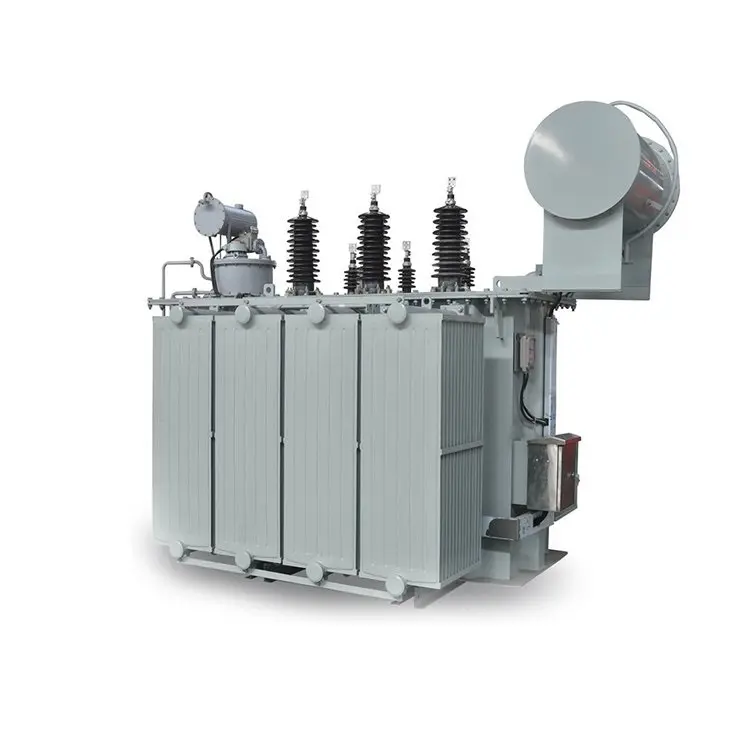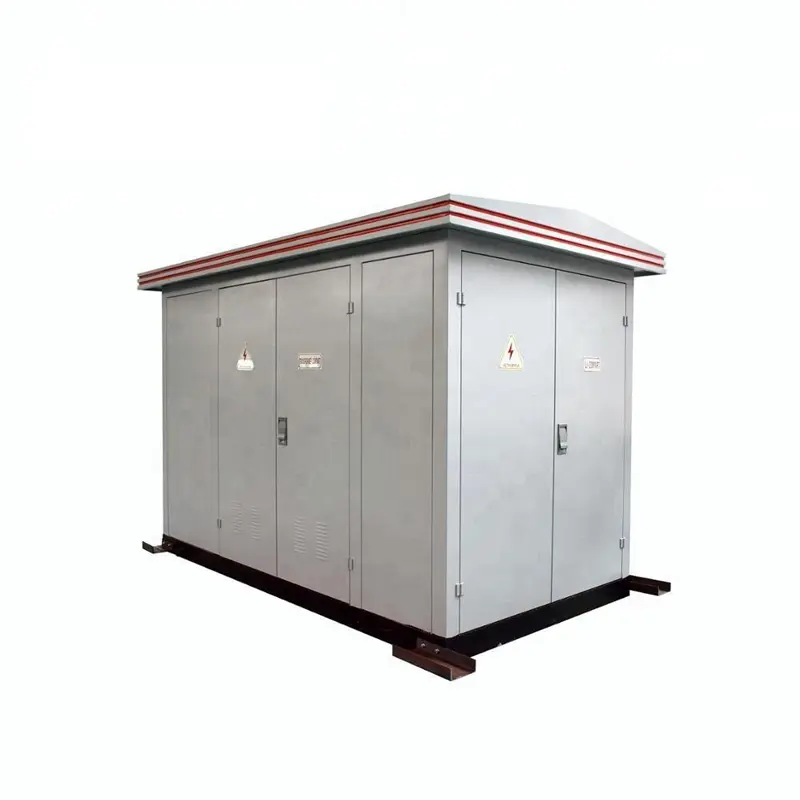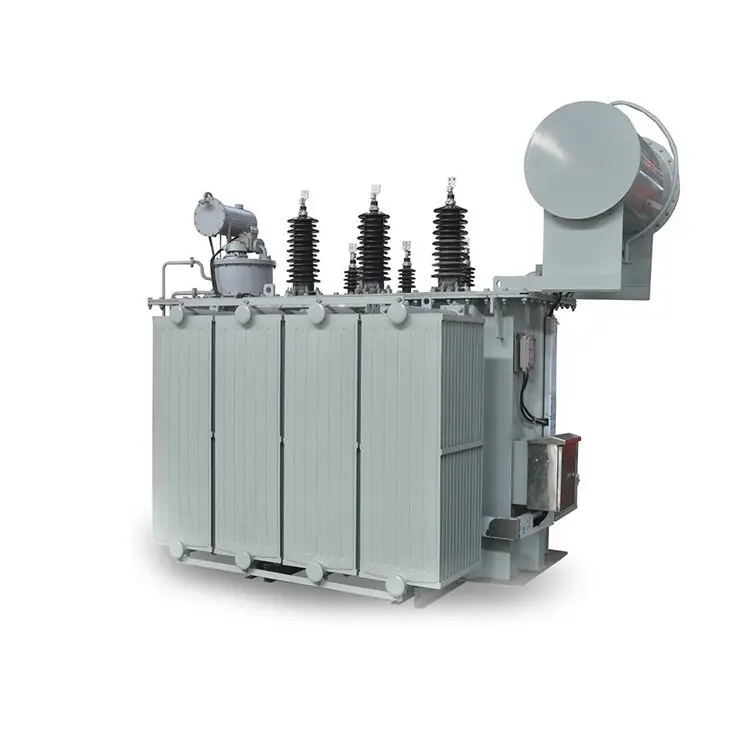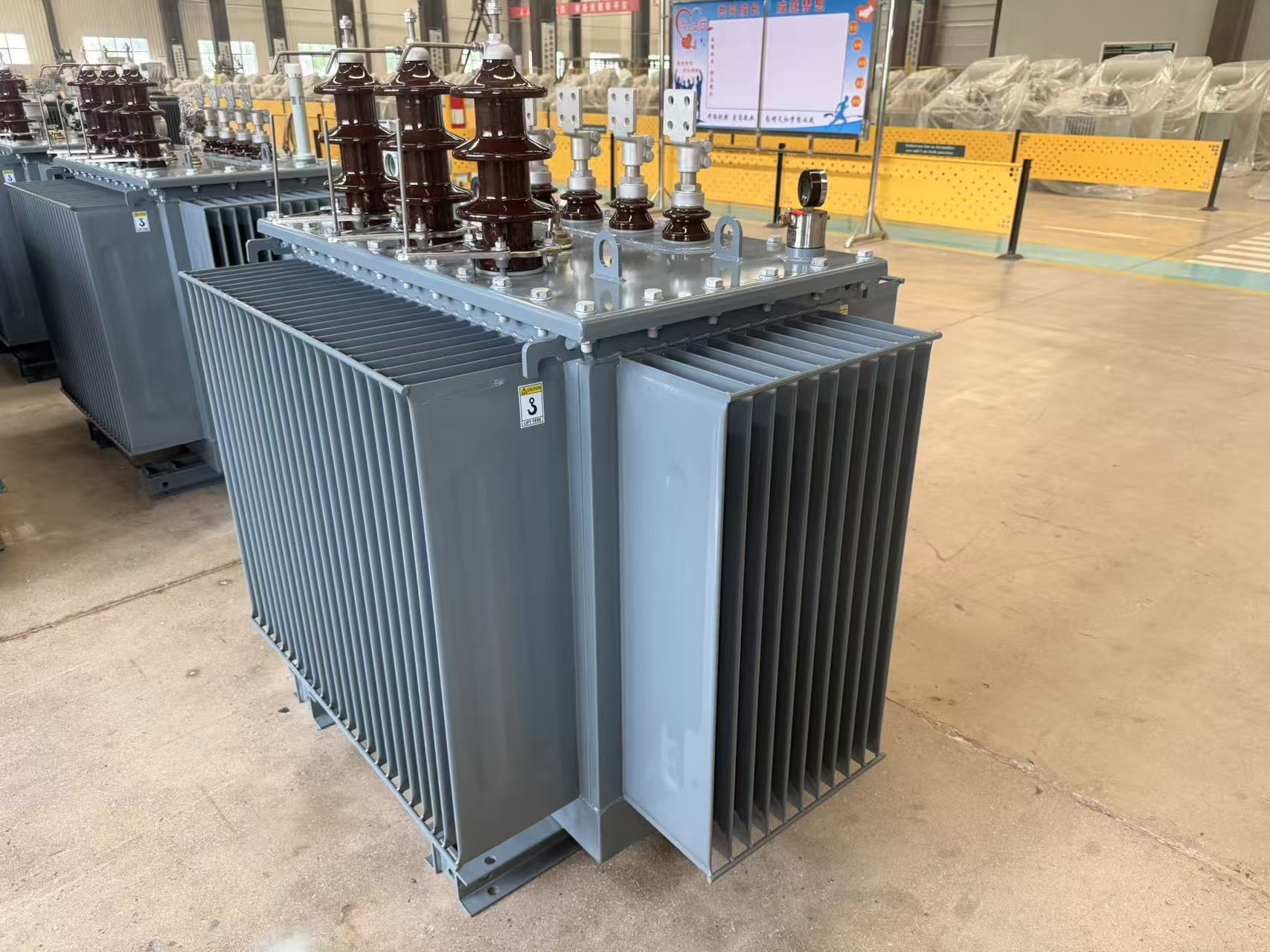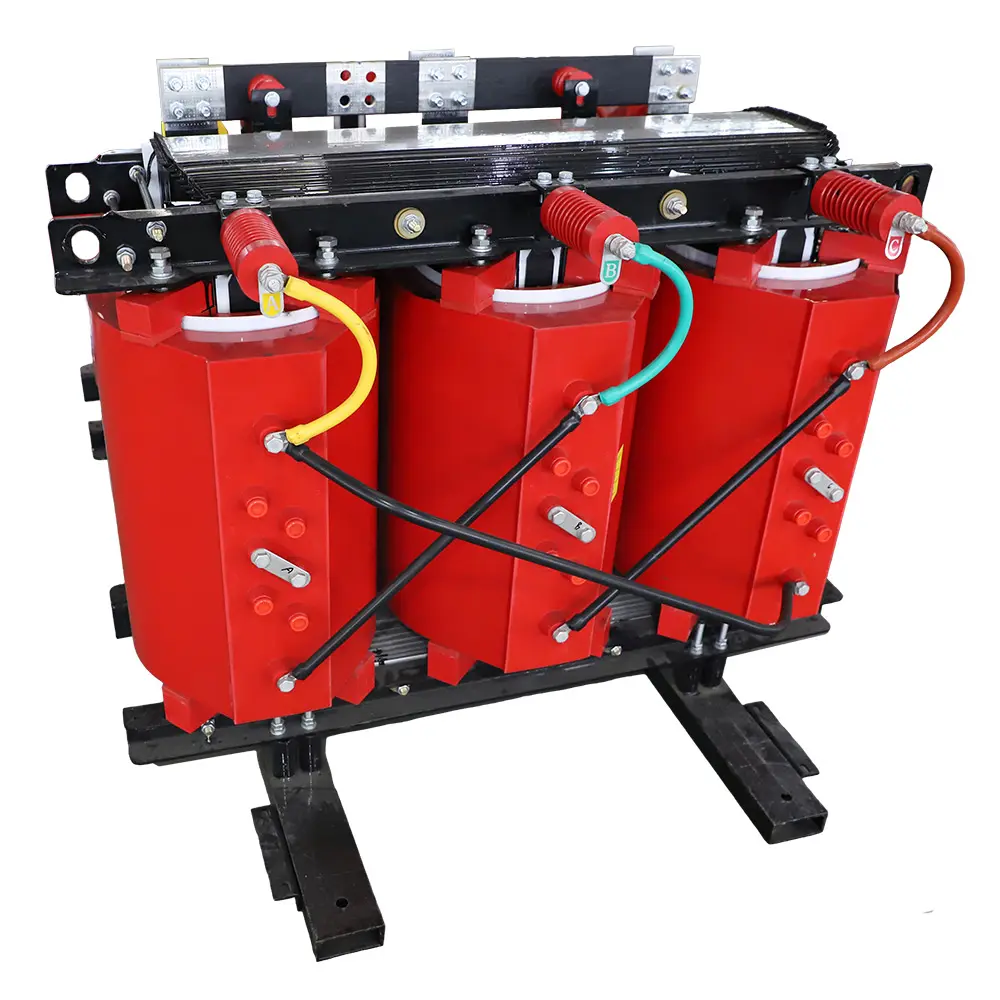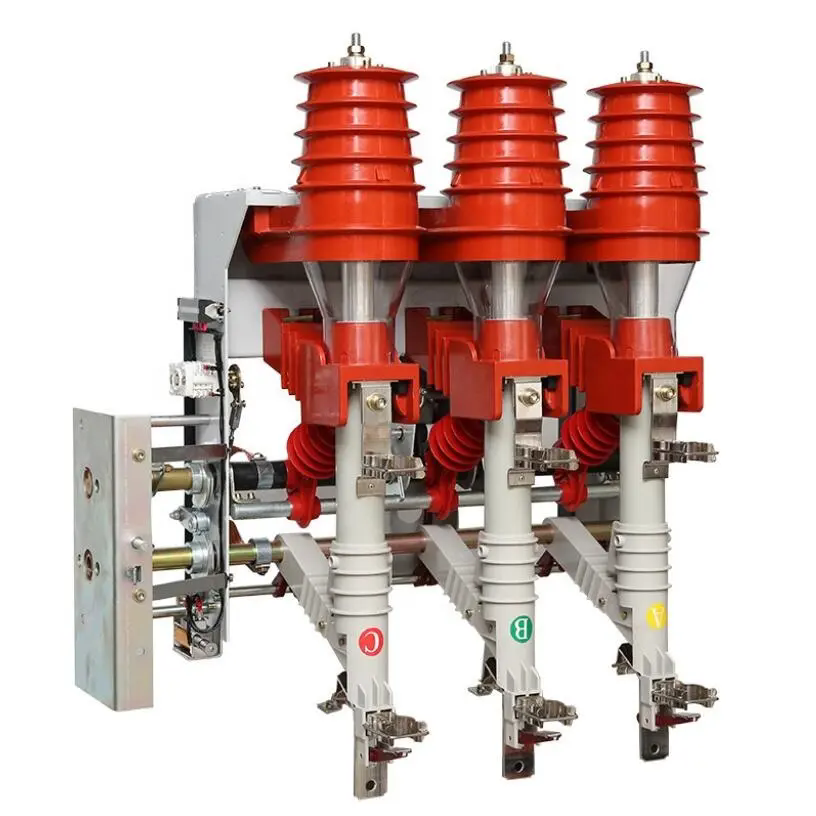
Which Three Phase Cast Resin Distribution Transformer Suits Your Power Needs?
Reliable power distribution is essential for industrial facilities, commercial buildings, infrastructure projects, and modern electrical networks. As electricity demand increases and installation environments become more complex, choosing the right distribution transformer has a direct impact on operational safety, energy efficiency, maintenance requirements, and long-term equipment performance.
A Three Phase Cast Resin Distribution Transformer is a type of dry-type transformer that uses solid resin insulation around its windings instead of relying on liquid insulating oil. Its design makes it a practical option for many indoor installations and locations where fire safety, reduced liquid-related maintenance, and environmental considerations are important.
This guide explores its operating principle, internal construction, manufacturing considerations, key advantages, applications, technical specifications, installation requirements, and maintenance practices. It also explains what buyers should evaluate before selecting a transformer for a new project or equipment replacement.
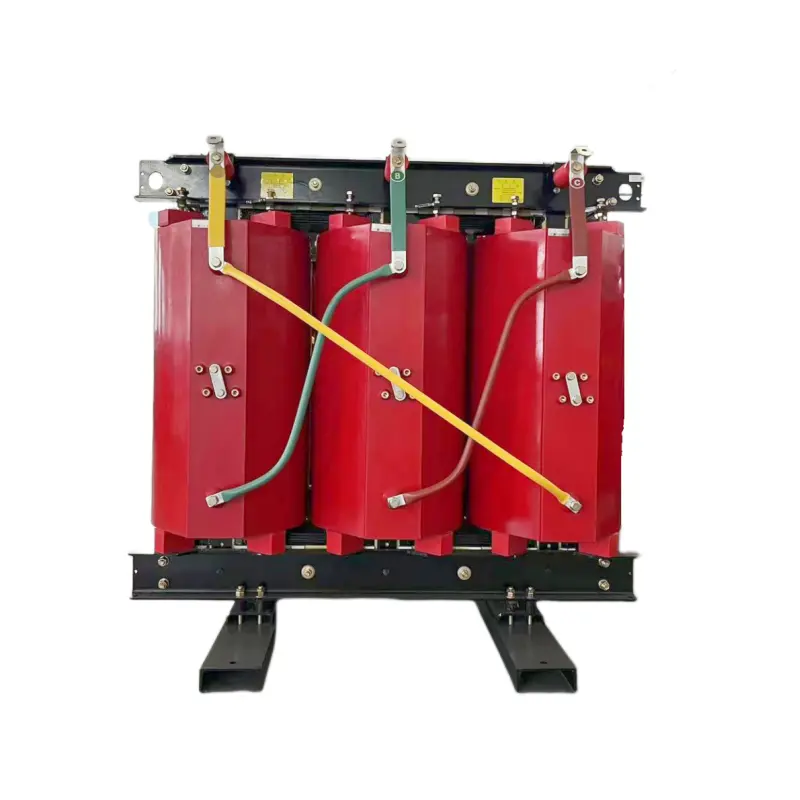
Table of Contents
- What Is a Three Phase Cast Resin Distribution Transformer?
- How Does a Three Phase Cast Resin Transformer Work?
- Main Components and Structural Design
- How Is a Cast Resin Transformer Manufactured?
- Key Advantages of Cast Resin Technology
- Common Industrial and Commercial Applications
- How to Select the Right Transformer
- Cast Resin vs. Oil-Immersed Distribution Transformers
- Installation and Commissioning Considerations
- Operation, Maintenance, and Troubleshooting
- Common Purchasing Mistakes to Avoid
- Frequently Asked Questions
- Why Choose SYHF (Jiangsu) Electric Co., Ltd.?
1. What Is a Three Phase Cast Resin Distribution Transformer?
A Three Phase Cast Resin Distribution Transformer is a dry-type electrical transformer designed to transfer three-phase electrical power from one voltage level to another. It uses electromagnetic induction to convert incoming electrical energy into an output voltage suitable for downstream distribution equipment and electrical loads.
The term "three phase" describes the electrical system in which the transformer operates. Three-phase power uses three alternating electrical quantities with a phase displacement of 120 degrees. This arrangement is widely used in industrial facilities, commercial buildings, utility distribution networks, and large electrical installations.
"Cast resin" refers to the insulation technology used around the windings. In many designs, the high-voltage winding is encapsulated in an epoxy resin system. This solid insulation protects the winding and helps maintain the required dielectric performance under specified operating conditions. The low-voltage winding may use a different insulation arrangement depending on the manufacturer's design.
Unlike an oil-immersed transformer, a cast resin transformer does not depend on a tank of liquid insulating oil for its primary insulation and cooling arrangement. Heat is generally transferred from the windings and core to the surrounding air, often through natural air cooling or a forced-air system when provided.
These transformers are commonly selected for applications where indoor installation, fire-risk management, environmental considerations, or reduced liquid-insulation maintenance are important factors.
2. How Does a Three Phase Cast Resin Transformer Work?
The operating principle is based on electromagnetic induction. When alternating current flows through the primary winding, it creates a changing magnetic flux in the transformer's magnetic core. This magnetic flux links with the secondary winding and induces an alternating voltage.
2.1 Primary Winding and Magnetic Flux
The primary winding receives electrical power from the incoming supply. The alternating current produces a changing magnetic field within the core. The core provides a low-reluctance magnetic path that helps transfer the magnetic flux between the primary and secondary windings.
2.2 Secondary Winding and Voltage Transformation
The secondary winding receives the changing magnetic flux and develops an induced voltage. The voltage relationship between the windings is primarily determined by their turns ratio.
In an ideal transformer, the relationship can be expressed as:
V₁ / V₂ = N₁ / N₂
Where:
- V₁: Primary winding voltage.
- V₂: Secondary winding voltage.
- N₁: Number of primary winding turns.
- N₂: Number of secondary winding turns.
For example, a transformer with a suitable turns ratio can step down medium-voltage electricity to a lower voltage used by industrial machinery, lighting systems, motors, and building distribution panels.
2.3 Three-Phase Power Distribution
A three-phase transformer has three sets of phase windings arranged to operate as part of a three-phase electrical system. Depending on the design, the windings can be connected in star (Y), delta (D), or other specified configurations.
The connection arrangement affects voltage relationships, neutral availability, phase displacement, and system grounding considerations. Therefore, the correct vector group must be confirmed during project design and equipment selection.
2.4 Heat Transfer and Cooling
Electrical losses in the windings and magnetic core generate heat during operation. The transformer must dissipate this heat to maintain its temperature within the specified limits.
Common cooling arrangements include:
- AN (Air Natural): Heat is dissipated through natural air circulation without forced cooling fans.
- AF (Air Forced): Fans increase airflow through the transformer to improve heat dissipation when the design supports this operating mode.
The available cooling method and any corresponding capacity ratings must be verified from the manufacturer's datasheet. Forced-air cooling should not be assumed to be available on every model.
3. Main Components and Structural Design
The performance of a cast resin distribution transformer depends on the interaction between its magnetic core, windings, insulation system, cooling structure, and protection accessories.
1. Magnetic Core
The core provides a magnetic path for energy transfer between the windings. It is commonly manufactured from laminated electrical steel to help control core losses.
2. High-Voltage Winding
The HV winding receives power at the incoming voltage level. Its insulation and conductor arrangement are designed to withstand the specified electrical stresses.
3. Low-Voltage Winding
The LV winding delivers transformed power to the connected distribution system. Its conductor size and structure are selected according to rated current and thermal requirements.
4. Cast Resin Insulation
The resin insulation encapsulates the designated winding assembly, helping provide electrical insulation and mechanical support.
5. Cooling Channels
Air passages and the overall winding arrangement support heat transfer to the surrounding environment.
6. Supporting Frame and Enclosure
The structural frame supports the transformer assembly. An optional enclosure can provide additional protection against external contact and environmental exposure.
3.1 Why Is Cast Resin Insulation Important?
Electrical insulation prevents unwanted current flow between conductors and between energized components and grounded structures. In cast resin transformers, the resin system forms an important part of the insulation design.
Its performance depends on resin formulation, winding preparation, casting quality, curing conditions, insulation geometry, and manufacturing process control. Voids, contamination, poor curing, or unsuitable material selection can negatively affect insulation reliability.
3.2 Winding Materials and Design
Depending on the model and project requirements, transformer windings may use copper or aluminum conductors. Each material has different electrical, thermal, mechanical, and cost characteristics.
Buyers should confirm the actual conductor material rather than assuming it from the transformer category or appearance. Winding material should be clearly specified in the technical quotation and order documentation.
4. How Is a Cast Resin Transformer Manufactured?
Manufacturing quality has a direct influence on insulation performance, mechanical stability, thermal behavior, and long-term operating reliability. Although specific production methods vary by manufacturer, the main manufacturing stages generally include the following processes.
- Core preparation: Electrical steel laminations are processed and assembled according to the magnetic design. Proper core assembly helps control losses and unwanted vibration.
- Winding production: High-voltage and low-voltage coils are manufactured according to the specified conductor material, dimensions, and electrical design.
- Insulation preparation: Winding surfaces and insulation materials are prepared for the selected casting process. Cleanliness and moisture control are important.
- Vacuum casting: Where vacuum casting is used, the resin system is processed under controlled conditions to reduce trapped air and improve insulation quality.
- Curing and solidification: The resin is cured according to the specified material and process requirements to achieve the intended mechanical and electrical properties.
- Assembly: The core, windings, supporting structures, terminals, and accessories are assembled into the completed transformer.
- Inspection and testing: Applicable routine tests and additional specified tests are performed to verify the transformer's electrical and mechanical performance.
Manufacturing consistency is particularly important for resin-encapsulated windings because insulation defects may not be easily visible during a simple external inspection.
Buyer consideration: When evaluating a supplier, ask about resin material specifications, casting process controls, production traceability, routine testing, and the availability of test reports. These details provide more meaningful information than appearance alone.
5. Key Advantages of Cast Resin Technology
Cast resin transformers offer several practical benefits, especially in installations where liquid insulation is undesirable. Their suitability still depends on the electrical rating, environmental conditions, installation design, and project requirements.
5.1 No Liquid Insulating Oil
One of the main characteristics of a cast resin transformer is its solid insulation system. Because it does not use insulating oil as its primary insulation and cooling medium, there is no transformer oil to leak or require periodic oil sampling and replacement.
This can simplify certain maintenance and environmental management tasks, particularly in indoor electrical rooms.
5.2 Suitable for Many Indoor Installations
Cast resin transformers are frequently considered for buildings, factories, commercial facilities, and infrastructure projects. Their dry-type construction can make them suitable for locations where liquid containment arrangements are undesirable or difficult to implement.
5.3 Reduced Oil-Related Fire and Leakage Concerns
Eliminating liquid insulating oil removes the risk of an oil leak and the associated pool-fire hazard from the transformer itself. However, a cast resin transformer is not completely fireproof. Electrical faults, surrounding combustible materials, and other installation hazards must still be managed through appropriate design and protection measures.
5.4 Lower Oil-Related Maintenance Requirements
Since there is no insulating oil, routine oil testing, oil filtration, and oil replacement are not required. Nevertheless, the transformer still needs periodic inspection, cleaning, connection checks, thermal monitoring, and electrical testing as appropriate.
5.5 Flexible Installation Arrangements
For suitable projects, cast resin transformers can be installed in dedicated indoor transformer rooms or electrical substations. Their final installation requirements depend on enclosure design, ventilation, access clearances, and local electrical regulations.
5.6 Environmental Management Benefits
Removing insulating oil can reduce certain liquid-spill management concerns. It may also simplify environmental planning for some projects. However, the overall environmental impact still depends on material production, electrical losses, service life, recycling, and disposal arrangements.
6. Common Industrial and Commercial Applications
Three Phase Cast Resin Distribution Transformers are used in many electrical distribution systems where medium-voltage power needs to be converted to a suitable low-voltage supply.
6.1 Manufacturing Plants and Industrial Facilities
Factories often operate motors, production lines, automation systems, compressors, and other electrical equipment. A distribution transformer provides the voltage transformation required by the facility's electrical network.
6.2 Commercial Buildings
Office complexes, shopping centers, hotels, and large commercial buildings require stable power distribution for lighting, elevators, HVAC equipment, and other building systems. Cast resin transformers can be considered for appropriately designed indoor substations.
6.3 Hospitals and Healthcare Facilities
Healthcare facilities depend on reliable electrical infrastructure for medical equipment, ventilation, lighting, and essential services. Transformer selection should be coordinated with the facility's redundancy, emergency power, protection, and fire-safety design.
6.4 Data Centers
Data centers have demanding electrical requirements because power interruptions can affect critical IT operations. Cast resin transformers may form part of the electrical distribution infrastructure, alongside properly designed backup power systems, switchgear, and monitoring equipment.
6.5 Renewable Energy Installations
Solar and other renewable energy projects may require transformers to connect generation equipment to collection networks or local distribution systems. The required transformer design depends on voltage level, power flow, harmonic conditions, operating profile, and grid connection requirements.
6.6 Transportation and Public Infrastructure
Airports, railway facilities, metro systems, tunnels, and other infrastructure projects need reliable electrical distribution. Dry-type transformer technology may be considered where installation conditions and project specifications favor this design.
| Application | Typical Electrical Requirements | Important Selection Factors |
|---|---|---|
| Manufacturing plants | Power for motors and production equipment | Load profile, capacity, harmonics |
| Commercial buildings | Building power distribution | Indoor installation, ventilation, fire safety |
| Hospitals | Power for essential and general loads | Reliability, redundancy, protection coordination |
| Data centers | Continuous power distribution | Efficiency, load characteristics, thermal management |
| Renewable energy | Generation and grid interconnection | Voltage level, power flow, harmonics |
| Transportation facilities | Power for infrastructure systems | Environmental conditions, safety, reliability |
7. How to Select the Right Three Phase Cast Resin Distribution Transformer
Choosing a transformer is an engineering decision, not simply a comparison of rated power and purchasing price. A suitable selection should consider the electrical system, load characteristics, installation environment, operating requirements, and applicable standards.
7.1 Determine the Required Rated Capacity
Transformer capacity is commonly expressed in kilovolt-amperes (kVA). The required rating should be determined from the expected maximum demand, load diversity, power factor, future expansion, and applicable design margins.
For a balanced three-phase system, apparent power can be estimated using:
S = √3 × V × I / 1000
Where:
- S: Apparent power in kVA.
- V: Line-to-line voltage in volts.
- I: Line current in amperes.
The final transformer rating should be determined through a proper load assessment. Starting currents, nonlinear loads, ambient temperature, and expected overload conditions may affect the selection.
7.2 Confirm Primary and Secondary Voltages
The rated primary voltage must match the supply system, while the secondary voltage must meet the requirements of the downstream electrical network.
Confirm both voltage ratings and the transformer's voltage adjustment arrangements, if available. Do not rely on a general description such as medium-voltage to low-voltage without checking the actual values.
7.3 Check the Vector Group
The vector group identifies the winding connection arrangement and phase displacement between primary and secondary voltages. It also indicates whether a neutral point is available in the relevant winding configuration.
Common designations include Dyn11, Yyn0, and other configurations. The correct vector group must be selected according to system grounding, parallel operation requirements, protection design, and the connected electrical network.
7.4 Evaluate Insulation Class and Temperature Rise
The insulation system and permitted temperature rise affect the transformer's thermal design and operating life. Buyers should confirm the specified insulation class, reference ambient conditions, temperature-rise limits, and applicable design standards.
7.5 Select the Cooling Method
Natural air cooling may be sufficient for many standard applications. Forced-air cooling may be used in designs that require additional heat dissipation or a higher specified output rating under defined conditions.
Confirm the rated capacity for each cooling mode instead of assuming that the forced-air rating is available continuously under all installation conditions.
7.6 Review Impedance Voltage
Transformer impedance affects voltage regulation and the magnitude of prospective short-circuit current. It is an important parameter for protection coordination and system fault calculations.
Buyers should confirm that the proposed impedance is compatible with the network design and any parallel transformer operation requirements.
7.7 Consider Energy Efficiency and Losses
Transformer losses occur even when the transformer is energized without supplying a load. These are generally described as no-load losses and load losses.
For facilities operating continuously, even a relatively small difference in losses can influence long-term electricity costs. Compare guaranteed loss values under the same rating and testing conditions rather than looking only at the purchase price.
7.8 Check Enclosure and Environmental Requirements
Installation conditions influence the required enclosure, ventilation, ingress protection, and corrosion protection. Dust, humidity, altitude, ambient temperature, and available airflow should all be considered.
| Technical Parameter | What Buyers Should Confirm | Selection Purpose |
|---|---|---|
| Rated capacity | Required kVA rating and load profile | Supports adequate power supply |
| Primary voltage | Incoming network voltage | Ensures supply compatibility |
| Secondary voltage | Required output voltage | Matches downstream equipment |
| Frequency | 50 Hz or 60 Hz system | Ensures electrical design compatibility |
| Vector group | Connection and phase displacement | Supports system integration |
| Impedance | Specified impedance percentage | Supports fault and protection calculations |
| Cooling method | AN, AF, or specified arrangement | Meets thermal requirements |
| Losses | No-load and load losses | Supports lifecycle cost evaluation |
| Enclosure | Protection level and installation conditions | Provides suitable environmental protection |
Procurement tip: Prepare a technical specification sheet before requesting quotations. Include rated capacity, primary and secondary voltages, frequency, vector group, impedance, winding materials, cooling method, insulation requirements, losses, enclosure, installation conditions, and applicable standards. This makes supplier quotations easier to compare accurately.
8. Cast Resin vs. Oil-Immersed Distribution Transformers
Both cast resin and oil-immersed transformers perform voltage transformation through electromagnetic induction. Their main differences relate to insulation, cooling, installation arrangements, maintenance, and environmental considerations.
| Comparison Item | Cast Resin Transformer | Oil-Immersed Transformer |
|---|---|---|
| Primary insulation | Solid resin insulation in the designated winding system | Liquid insulating oil and solid insulation materials |
| Cooling medium | Air, natural or forced | Insulating oil with an associated cooling arrangement |
| Oil leakage | No transformer insulating oil to leak | Oil leakage is a possible maintenance concern |
| Oil maintenance | Not required | Oil inspection and testing may be required |
| Indoor applications | Often suitable with proper ventilation and protection | Subject to installation and oil containment requirements |
| Fire considerations | No liquid insulating oil; fire performance depends on the complete design and materials | Requires consideration of insulating oil fire risks |
| Thermal management | Depends on airflow and winding heat dissipation | Uses oil circulation and associated cooling surfaces |
| Environmental factors | No insulating oil spill management | Oil containment and disposal may need consideration |
Which Design Is More Suitable?
A cast resin transformer may be preferable for certain indoor applications where avoiding liquid insulation and reducing oil-related fire and leakage concerns are priorities.
An oil-immersed transformer may be suitable for outdoor distribution networks and applications where its cooling characteristics, established design, or project economics are advantageous.
Neither design is universally better. The decision should consider total lifecycle cost, rated capacity, installation environment, fire protection strategy, operating profile, maintenance resources, and local electrical regulations.
9. Installation and Commissioning Considerations
Correct installation is essential for safe operation and reliable performance. A transformer that meets the electrical specification may still experience overheating, insulation stress, or premature deterioration if the installation environment is unsuitable.
9.1 Foundation and Mechanical Support
The installation foundation must support the transformer's weight and mechanical requirements. The floor, mounting structure, anchor points, and transportation access should be checked before delivery and installation.
9.2 Ventilation and Heat Dissipation
Cast resin transformers release operating heat into the surrounding air. The transformer room must provide sufficient ventilation to prevent excessive ambient temperature and heat accumulation.
Ventilation openings, air circulation paths, and any required exhaust equipment should be designed according to the manufacturer's thermal recommendations and applicable regulations.
9.3 Electrical Connections
High-voltage and low-voltage connections must follow the approved wiring diagram. Cable size, terminal arrangement, clearances, grounding, phase sequence, and connection torque should be checked by qualified electrical personnel.
9.4 Grounding and Protection
The transformer frame and designated grounding points must be connected to the facility grounding system. Appropriate overcurrent, short-circuit, temperature, and other protection devices should be selected according to the system design.
9.5 Pre-Energization Inspection
Before energizing, qualified personnel should complete the required installation checks and electrical tests. These may include winding resistance, insulation resistance, turns ratio, connection verification, grounding continuity, and protection system checks, as applicable to the project and manufacturer instructions.
9.6 Environmental and Safety Clearances
Maintain the required clearance around the transformer for ventilation, inspection, maintenance, and electrical safety. Follow the manufacturer's installation drawings and local regulations regarding access, barriers, and enclosure arrangements.
Safety reminder: Transformer installation, testing, and commissioning involve hazardous electrical energy. These activities must be performed by qualified personnel using approved isolation, grounding, testing, and safety procedures.
10. Operation, Maintenance, and Troubleshooting
Cast resin transformers do not require insulating oil maintenance, but they are not maintenance-free. Routine inspection and condition monitoring help identify problems before they develop into serious equipment failures.
10.1 Routine Inspection
- Check for dust accumulation on winding surfaces and ventilation passages.
- Inspect resin surfaces for visible cracks, contamination, or abnormal discoloration.
- Check electrical terminals and connections for signs of overheating.
- Monitor operating temperature and load conditions.
- Inspect fans, sensors, and temperature controllers where fitted.
- Check the enclosure, grounding connections, and surrounding installation environment.
10.2 Common Problems and Possible Causes
| Observed Problem | Possible Cause | Recommended Action |
|---|---|---|
| Excessive operating temperature | Overloading, poor ventilation, or high ambient temperature | Check load conditions and cooling arrangements |
| Unusual noise or vibration | Loose components, installation issues, or magnetic vibration | Arrange mechanical and electrical inspection |
| Abnormal insulation readings | Moisture, contamination, or insulation deterioration | Follow approved diagnostic and testing procedures |
| Terminal overheating | Loose connections, poor contact, or excessive current | Inspect connections after safe isolation |
| Cooling fan failure | Motor, control circuit, or power supply fault | Inspect the fan and associated control system |
| Frequent protection trips | Overload, short circuit, or protection setting issues | Investigate the fault before restoring operation |
10.3 Establish a Maintenance Schedule
Inspection frequency should reflect the transformer's operating conditions, environmental exposure, load profile, and maintenance policy. Facilities with high dust levels, high humidity, or heavy operating loads may require more frequent inspections.
Maintenance should be based on the manufacturer's instructions and the facility's electrical safety procedures. Never clean, inspect, or repair energized transformer components unless an approved procedure specifically permits the activity.
11. Common Purchasing Mistakes to Avoid
For electrical contractors, distributors, EPC companies, and industrial equipment manufacturers, incorrect transformer specifications can lead to additional engineering work, delayed installation, and unexpected operating costs.
Mistake 1: Choosing Capacity Without a Load Assessment
Purchasing a transformer based only on the estimated total connected load may result in an unsuitable capacity. Evaluate actual demand, load diversity, starting currents, power factor, and future expansion requirements.
Mistake 2: Ignoring the Vector Group
A transformer with the wrong vector group may not be compatible with the intended electrical network or parallel operation arrangement. Confirm the connection requirements before ordering.
Mistake 3: Comparing Quotations Without Matching Technical Specifications
Two transformers with the same kVA rating may have different losses, impedance, insulation systems, winding materials, and accessory configurations. Compare equivalent technical specifications rather than price alone.
Mistake 4: Overlooking Installation Conditions
Insufficient ventilation, unsuitable ambient conditions, or inadequate installation clearances can affect thermal performance. Confirm the site conditions before finalizing the transformer design.
Mistake 5: Assuming All Cast Resin Transformers Have Identical Fire Performance
Fire behavior depends on the resin formulation, materials, construction, and tested classification. Request relevant product documentation when fire performance is a project requirement.
Mistake 6: Failing to Request Test Documentation
Buyers should clarify the required routine tests, applicable standards, inspection records, and any additional type or special tests before production. This helps prevent misunderstandings during project acceptance.
Mistake 7: Ignoring Long-Term Operating Costs
Purchase price is only one part of transformer cost. No-load losses, load losses, maintenance resources, expected service life, and replacement requirements can all influence total ownership cost.
12. Frequently Asked Questions
Q1: What is a Three Phase Cast Resin Distribution Transformer?
It is a dry-type transformer that transfers three-phase electrical energy between voltage levels using electromagnetic induction. Its designated winding insulation system uses cast resin rather than liquid insulating oil as the primary insulation arrangement.
Q2: What is the main difference between cast resin and oil-immersed transformers?
The main difference is the insulation and cooling arrangement. Cast resin transformers use solid resin insulation and air-based cooling, while oil-immersed transformers use liquid insulating oil for insulation and heat transfer. Their installation and maintenance requirements also differ.
Q3: Are cast resin transformers suitable for indoor installation?
Yes. They are commonly considered for indoor electrical rooms, commercial buildings, and industrial facilities. However, the installation must provide suitable ventilation, clearances, grounding, electrical protection, and environmental conditions.
Q4: Do cast resin transformers require oil maintenance?
No. They do not use transformer insulating oil, so oil sampling, filtration, and oil replacement are not required. Other maintenance activities, such as cleaning, terminal inspection, temperature monitoring, and electrical testing, remain necessary.
Q5: Are Three Phase Cast Resin Distribution Transformers fireproof?
No transformer should be considered completely fireproof. Cast resin designs eliminate liquid insulating oil and can reduce certain fire-related risks, but the actual fire performance depends on the materials, design, installation, and tested product classification.
Q6: What cooling methods are available?
Common cooling arrangements include AN (Air Natural) and AF (Air Forced). The actual cooling configuration and capacity under each mode depend on the specific transformer design.
Q7: What information is needed to select a transformer?
Important information includes rated capacity, primary and secondary voltages, frequency, vector group, impedance, winding material, cooling method, insulation requirements, losses, enclosure requirements, and installation conditions.
Q8: How long can a cast resin transformer operate?
Service life depends on design quality, insulation condition, operating temperature, loading, installation environment, and maintenance. Correct selection and proper thermal management help support long-term operation. The actual expected service life should be confirmed with the manufacturer.
Q9: Can a cast resin transformer operate in a dusty environment?
It depends on the enclosure and environmental protection design. Dust accumulation can reduce cooling performance and contribute to insulation problems. Suitable enclosure protection, ventilation design, and periodic cleaning should be considered.
Q10: What standards should a cast resin transformer comply with?
IEC 60076-11 is an important international standard for dry-type power transformers. Other applicable standards and requirements may depend on the installation country, voltage level, project specifications, and local electrical regulations. Confirm the exact compliance requirements with the manufacturer.
Q11: Can cast resin transformers be customized?
Depending on the manufacturer's production capabilities, configurations may be tailored to project requirements, including rated capacity, voltage ratio, vector group, impedance, winding materials, cooling arrangements, enclosure, and accessories. Confirm available options before placing an order.
Q12: Why should transformer losses be considered before purchasing?
No-load and load losses affect the amount of electrical energy consumed by a transformer during operation. Comparing guaranteed loss values can help buyers estimate long-term operating costs and evaluate the overall economic performance of different proposals.
13. Why Choose SYHF (Jiangsu) Electric Co., Ltd.?
Selecting a distribution transformer is an important investment in the reliability and efficiency of an electrical power system. Buyers need to consider not only rated capacity and purchase cost but also insulation design, operating conditions, technical documentation, and long-term service requirements.
SYHF (Jiangsu) Electric Co., Ltd. is the brand featured in this article for customers seeking transformer solutions for industrial, commercial, and electrical distribution projects.
When evaluating a Three Phase Cast Resin Distribution Transformer, it is important to communicate your project requirements clearly and confirm that the proposed product matches the actual operating conditions.
Before finalizing your purchasing decision, consider discussing the following technical details:
- Rated capacity and expected load characteristics.
- Primary and secondary voltage requirements.
- Three-phase connection and vector group.
- Winding material and cast resin insulation configuration.
- Cooling method and temperature-rise requirements.
- Impedance voltage and guaranteed loss values.
- Enclosure, accessories, and installation environment.
- Applicable standards, testing, and technical documentation.
For project procurement, OEM applications, or electrical distribution system upgrades, confirming these specifications before production can help reduce compatibility issues and improve project coordination.
Looking for a Reliable Three Phase Cast Resin Distribution Transformer?
The right transformer begins with a clear understanding of your electrical system and operating requirements. Contact SYHF (Jiangsu) Electric Co., Ltd. to discuss your project specifications, technical requirements, and transformer purchasing plans.
Whether you are sourcing equipment for an industrial facility, commercial building, infrastructure project, or distribution network, our team welcomes your inquiry.
Contact us today to request product information, discuss technical specifications, and explore a suitable transformer solution for your project.
Contact Us for a QuotationTechnical note: Transformer specifications, available configurations, ratings, performance, and compliance vary by model. Always refer to the manufacturer's approved datasheet, test reports, installation instructions, and applicable electrical standards before selection, installation, and operation.
Next:
-
Related News
- How Does a Gas Load Break Switch Work in Power Systems?
- Why Is an Oil Immersed Distribution Transformer Essential for Reliable Power Distribution?
- How Does a 4000 KVA Three Phase Oil Immersed Transformer Work?
- Which 15000 KVA Oil Immersed Self Cooled Transformer Meets Your Needs?
- How to Select and Apply Gas Load Break Switches for Medium Voltage Distribution Networks?
- How a Circuit Breaker Protect Your Power System?
Leave me a message
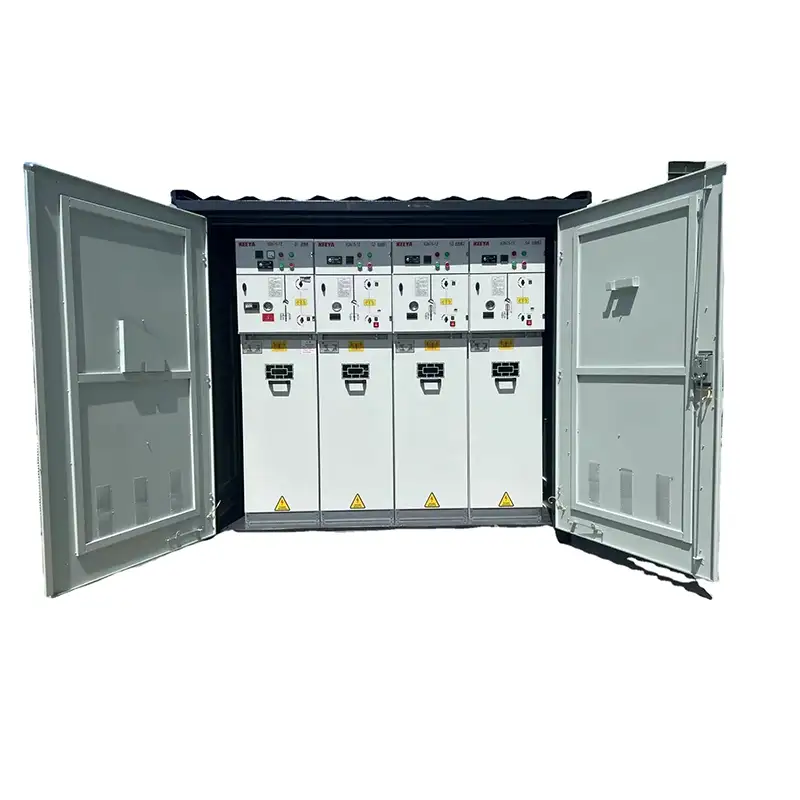
News Recommendations